

Discover why update old plumbing is essential for your home. Protect your family, save on costs, and maintain your property’s value today!
TL;DR:
- Many older San Antonio homes have plumbing that poses serious health and safety risks due to lead or corroded pipes, requiring timely replacement. Upgrading to modern materials like PEX enhances safety, reduces costs, increases home value, and minimizes emergency repairs. Proper planning, inspections, and maintenance ensure long-lasting, efficient plumbing systems that protect your investment and health.
Most homeowners in San Antonio don’t think about their plumbing until something goes wrong. But if your home is more than 30 years old, your pipes may already be working against you. Knowing why update old plumbing matters is not just about fixing drips or slow drains. It’s about protecting your family from lead exposure, preventing sudden pipe failures, staying current with plumbing code compliance, and keeping your home’s value intact. This article walks you through everything you need to know to make a confident decision.
Table of Contents
- Key takeaways
- Why update old plumbing: warning signs you can’t ignore
- Real benefits of updating your plumbing system
- What plumbing updates actually cost
- How to plan a plumbing update the right way
- Maintaining plumbing efficiency after your update
- My take on why homeowners keep delaying
- Stultz Plumbing is ready to help San Antonio homeowners
- FAQ
Key takeaways
| Point | Details |
|---|---|
| Old pipes carry real health risks | Lead and corroded galvanized pipes can contaminate your water supply and cause irreversible health damage. |
| Modern materials save money long-term | PEX and updated copper systems reduce water waste, lower energy costs, and cut emergency repair bills. |
| Costs vary widely by home type | A whole-house repipe in San Antonio typically runs $6,000 to $10,000 depending on foundation type and pipe access. |
| Timing updates saves more money | Scheduling a repipe during a renovation reduces patching and labor costs significantly. |
| Ongoing maintenance preserves upgrades | Regular drain cleaning and routine inspections protect your new system and extend its lifespan. |
Why update old plumbing: warning signs you can’t ignore
Older homes are charming. But the plumbing inside the walls is often a different story. If you know signs of failing plumbing, you can act before a slow problem becomes a very expensive one.
The most common pipe materials found in homes built before the 1990s include:
- Lead pipes: Still present in some homes built before 1986. Extremely dangerous. No safe level of lead exposure exists, and lead causes irreversible neurological damage, especially in children.
- Galvanized steel: Common in homes built before the 1960s. These pipes corrode from the inside out, restricting water flow and introducing rust and metals into your water. Removing galvanized steel pipes requires extra labor because corrosion seizes connections, often triggering a full repipe.
- Polybutylene: Used in the 1970s through the 1990s. It becomes brittle over time and fails without warning.
- Early copper with lead solder: Homes built before 1986 have a higher probability of lead solder at joints, even if the pipes themselves are not lead.
The red flags are usually obvious once you know what to look for. Discolored or rusty water, unexplained low water pressure, frequent leaks in the same areas, visible corrosion on exposed pipes, and water that smells metallic are all serious signals.
Beyond your health, outdated plumbing creates real code compliance risk. Plumbing codes have changed significantly since many older systems were installed. An outdated system may prevent you from getting homeowners insurance coverage or complicate a property sale.
Patching one leak at a time is money going down the drain. Each repair on an aging system buys you weeks, not years.
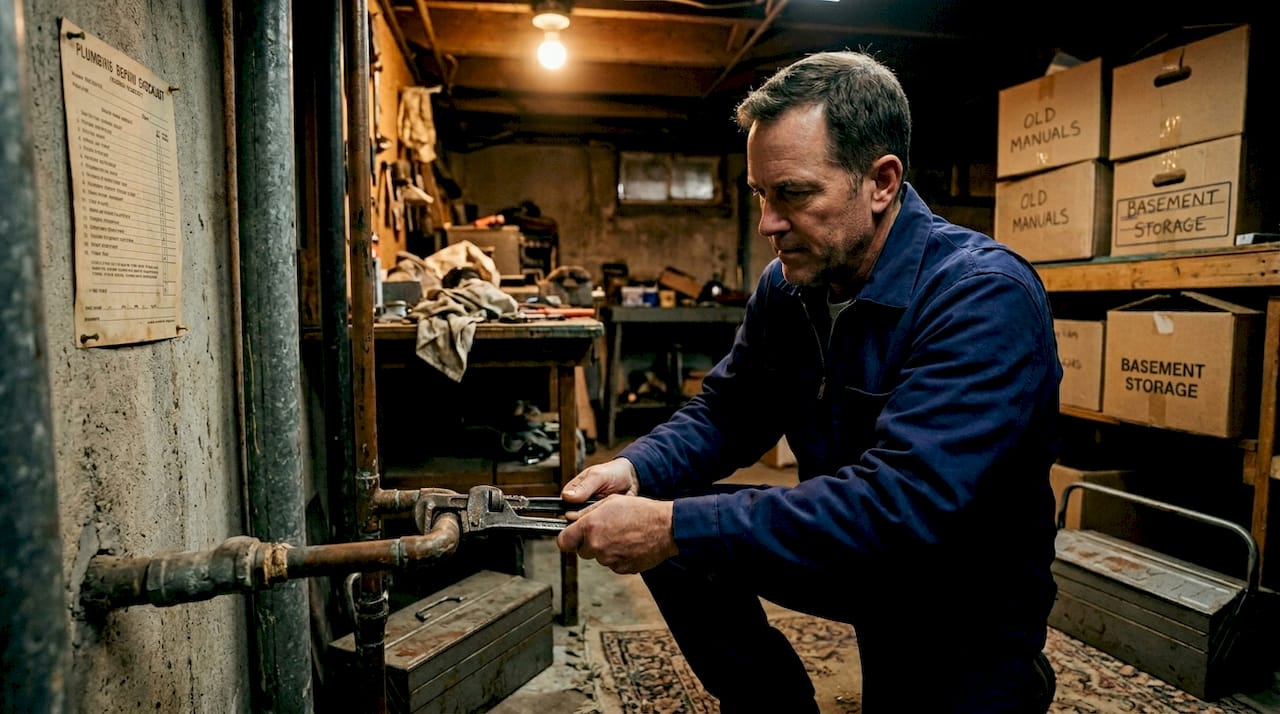
Pro Tip: If you’ve had more than two plumbing repairs in the same area within 12 months, that’s a strong signal the pipe material itself has failed, not just one isolated spot. A full inspection by a licensed plumber is the next step.
Real benefits of updating your plumbing system
Once you understand the risks, the benefits of plumbing updates become very clear. And they go far beyond just avoiding problems.
Here’s what modernizing your pipes actually delivers:
- Safer drinking water: Replacing lead pipes eliminates the source of contamination. Full pipe replacement is the only permanent solution to lead contamination. Corrosion control treatments only delay exposure.
- Dramatic water and energy savings: Upgrading to modern PEX piping and low-flow fixtures can reduce household water use by 30 to 50 percent and lower energy costs by reducing your water heater’s workload.
- Higher home value: Updated plumbing is a documented selling point. Buyers and their inspectors will flag old galvanized or polybutylene pipes immediately. A modern repipe removes that obstacle entirely.
- Fewer emergency calls: New PEX systems are flexible, freeze-resistant, and corrosion-proof. That means far fewer burst pipes and midnight emergencies.
- Insurance benefits: Some insurers in Texas charge higher premiums or deny coverage entirely for homes with galvanized or polybutylene pipes. Updating your system can reduce those costs.
PEX piping in particular is a strong choice for San Antonio homes. It handles the region’s temperature swings better than older materials, and it costs less to install because it requires fewer fittings and connections than copper. Our PEX repiping guide covers the comparison in detail if you want to weigh your material options before talking to a plumber.
One more point worth highlighting: the EPA now requires all lead service lines nationwide to be identified and replaced within 10 years under the 2024 Lead and Copper Rule Improvements. The lead action level has been lowered from 15 ppb to 10 ppb. If you have a lead service line and are waiting on your utility to act, know that homeowner-side pipes are your responsibility. Waiting is not a neutral choice.
What plumbing updates actually cost
Cost is the reason most homeowners delay. So let’s be direct about the numbers.
The national average for a whole-house repipe in 2026 ranges from $4,500 to $22,000. Most homeowners in a 1,500 to 2,000 square foot home pay between $6,000 and $10,000 when using PEX. Copper costs roughly 18 to 22 percent more.
| Pipe material | Avg. cost per linear foot | Install speed | Best for |
|---|---|---|---|
| PEX | $0.50 to $2.00 | Fast (fewer fittings) | Most residential homes |
| Copper | $2.50 to $4.00 | Slower (soldered joints) | High durability preference |
| CPVC | $0.50 to $1.50 | Moderate | Retrofit budgets |
The single biggest cost variable is not the pipe material itself. It’s your home’s foundation and wall access. Slab homes and homes with pipes in finished walls incur 30 to 50 percent higher labor costs due to access difficulty. If your San Antonio home sits on a slab foundation, factor that in from the start.
Hidden costs that catch homeowners off guard include:
- Drywall patching and painting after pipe access
- Permit fees (required in San Antonio for full repipes)
- Fixture and shutoff valve replacements uncovered during the job
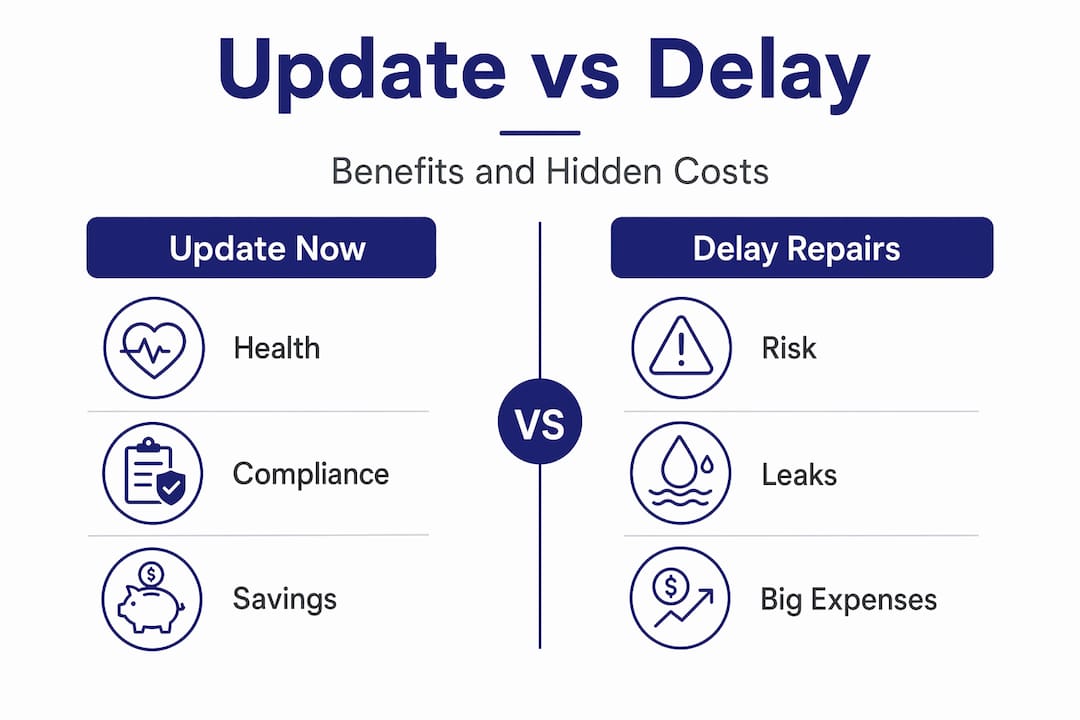
The good news: replacing plumbing during a planned renovation saves money by combining the patching work and avoiding emergency pricing. A proactive repipe during a kitchen remodel is always cheaper than an emergency repipe after a burst pipe floods your cabinets.
Check your local utility’s lead service line inventory. Rapid replacement programs in cities like Detroit and Denver show that federal funding is available, and San Antonio homeowners may qualify for assistance on the utility-side portion of lead line replacement.
For a detailed local cost breakdown, our repipe cost guide walks through what San Antonio homeowners actually pay.
Pro Tip: Get at least three written estimates before committing to a repipe contractor. Ask each one to specify whether their quote includes drywall repair, permits, and shutoff valve replacement. Those three items are the most common sources of unexpected add-ons.
How to plan a plumbing update the right way
A well-planned plumbing update causes far less disruption than most homeowners expect. Here’s how to approach it:
- Schedule a professional inspection first. A licensed plumber can identify exactly what materials are in your walls, locate corroded or suspect sections, and tell you whether a targeted repipe or a full replacement makes more sense. Don’t guess.
- Check your service line. Contact San Antonio Water System (SAWS) to ask whether your service line is lead, galvanized, or copper. Utilities are now required to publish this inventory publicly under the new EPA rule.
- Choose your pipe material. For most San Antonio homeowners, PEX is the right answer. It’s flexible, installs faster with fewer fittings, handles heat and pressure swings well, and costs less than copper. If you have a preference for copper’s long track record, your plumber can help you weigh the tradeoffs.
- Coordinate with any renovation work. If you’re already planning a bathroom remodel or kitchen renovation, now is the time to repipe. You’ll save on both labor and drywall repair costs.
- Plan for temporary water shutoff. A full repipe typically takes one to three days. Work with your contractor to schedule around your household’s needs, especially if you have young children or work from home.
- Demand pressure testing before wall closure. Proper pressure testing after installation is the only way to confirm all connections are leak-free before the walls close. Any contractor who skips this step is cutting corners that could cost you significantly in mold remediation later.
A quick note on lead line replacements: partial replacements are no longer recommended. Disturbing a lead line without replacing it fully can temporarily spike lead levels in your water. Always advocate for a complete replacement from the main to your meter and beyond.
Maintaining plumbing efficiency after your update
Updating your pipes is the foundation. Keeping them performing well is the ongoing work.
Here’s what good plumbing maintenance looks like after a repipe:
- Regular drain cleaning: Grease, hair, and mineral buildup inside drains restrict flow and stress your new pipes. Scheduling routine drain cleaning prevents clogs before they become full blockages.
- Replacing old shutoff valves: During repiping, your plumber should replace corroded shutoff valves throughout the home. Old valves seize and fail exactly when you need them most.
- Annual plumbing inspections: A once-a-year walkthrough by a licensed plumber catches early warning signs before they escalate. This is the difference between a $150 fix and a $3,000 repair.
- Water softener consideration: San Antonio’s hard water accelerates scale buildup inside pipes and fixtures. A water softener installed alongside a repipe extends your new system’s lifespan noticeably.
- Monitor water pressure: High water pressure above 80 psi stresses even new PEX systems. A pressure regulator valve is a small investment that protects your entire system.
Ignoring plumbing maintenance after a repipe is like buying a new car and skipping every oil change. The upfront investment only pays off when you protect it.
My take on why homeowners keep delaying
I’ve talked with hundreds of San Antonio homeowners about their plumbing, and the hesitation almost always comes down to two things: fear of the cost and fear of the disruption.
What I’ve learned is that both fears are usually based on the worst-case scenario, not the actual experience. Most repiping jobs in a standard San Antonio home wrap up in two days. The mess is contained. The disruption is short. And the relief homeowners feel afterward, knowing their water is clean and their pipes won’t fail at 2 a.m., is real and lasting.
What I’ve also seen is what happens when people wait. A slow leak behind a wall becomes a mold problem. A corroded galvanized pipe finally gives way and floods a finished basement. A property sale falls apart when the inspection flags the plumbing.
The cost of waiting almost always exceeds the cost of acting.
My honest advice: if your home is older than 35 years and has never had a plumbing update, schedule an inspection now. Not next year. The plumbing in your walls is not something you can see, so you need a professional to tell you exactly what you’re working with. Choosing a licensed, transparent local plumber makes that process straightforward and removes the guesswork entirely.
— Jean
Stultz Plumbing is ready to help San Antonio homeowners
If you’ve been putting off a plumbing inspection or repipe, we’re here to make it simple.

At Stultz Plumbing, we’ve helped homeowners across San Antonio assess, plan, and complete plumbing updates efficiently and affordably. Our licensed plumbers provide honest inspections, clear written estimates, and quality workmanship on every job. Whether you need a full repipe, a drain cleaning service, or a water heater service alongside your plumbing update, our team handles it all under one roof. We also offer emergency plumbing support when urgent issues come up. Call us or schedule an inspection online today through our San Antonio plumbing services page and get a transparent estimate with no surprises.
FAQ
How old is too old for plumbing in a home?
Most plumbing materials have a lifespan of 40 to 70 years, but galvanized steel pipes often fail much earlier due to internal corrosion. If your home is more than 35 years old and has never had a repipe, schedule a professional inspection to assess the current condition.
What are the biggest old plumbing hazards?
Lead contamination and galvanized pipe corrosion are the most serious hazards. Lead causes irreversible neurological damage with no safe exposure level, while corroded pipes restrict water flow and introduce metals into your drinking water.
Does updating plumbing increase home value?
Yes. Modern plumbing systems are a documented selling point, and outdated materials like galvanized or polybutylene pipes frequently cause issues during buyer inspections. A completed repipe removes that obstacle and signals well-maintained infrastructure to potential buyers.
What is the most cost-effective pipe material for a repipe?
PEX is generally the most cost-effective choice for residential repiping in 2026. It installs faster than copper due to its flexibility, requires fewer fittings, and costs 18 to 22 percent less than copper while offering comparable durability.
Does homeowners insurance cover old plumbing replacement?
Standard homeowners insurance covers sudden and accidental water damage but typically does not cover replacing aging pipes due to normal wear and corrosion. Some insurers in Texas will raise your premiums or exclude coverage entirely for homes with galvanized or polybutylene pipes still in service.
Recommended
- Regular Plumbing Inspections Save San Antonio Homeowners
- Signs to Replace Your Home’s Old Plumbing | Stultz Plumbing
- Plumbing Maintenance Tips Stultz | Prevent Costly Repairs
- Why prompt plumbing repairs prevent costly damage
Jean runs growth strategy at AimSetWin, a performance marketing agency specializing in local service businesses across Texas. he's helped plumbers, HVAC companies, pest control operators, and home service brands build predictable revenue systems using data-driven advertising and conversion optimization.


