

Learn when to call an emergency plumber in San Antonio. Discover key signs to protect your home and avoid costly damage today!
TL;DR:
- Recognize early warning signs like slow drains or odors to prevent costly plumbing emergencies.
- During emergencies, shut off water and electricity, document damage, and call professional help immediately.
- Gas leaks require evacuation and emergency services before contacting a plumber for repairs.
Most homeowners picture a plumbing emergency as water rushing across the floor or a pipe bursting through the wall. That image is misleading, and it’s costly. The real danger starts much earlier, in the subtle warning signs that are easy to dismiss as minor annoyances. A slow drain, a faint sulfur smell, or a sudden drop in water pressure can each signal something far more serious developing beneath your floors or inside your walls. Knowing the difference between a problem you can schedule for next week and one that demands a call right now can protect your home, your family’s health, and your wallet.
Table of Contents
- What makes a plumbing issue an emergency?
- Common emergency plumbing scenarios in San Antonio homes
- What to do before the emergency plumber arrives
- Gas leaks: Special protocols every homeowner must follow
- Emergency or not? How to make a fast, confident call
- Why most homeowners get emergency plumbing wrong—and how to do better
- San Antonio’s emergency plumbers are ready to help—don’t wait until it’s too late
- Frequently asked questions
Key Takeaways
| Point | Details |
|---|---|
| Recognize real emergencies | Emergencies involve risk to safety, health, or major property damage—not just inconvenience. |
| Act fast, contain damage | Shut off water, ensure safety, and call emergency help promptly to minimize harm. |
| Special rules for gas leaks | Always evacuate and call gas authorities first before contacting a plumber. |
| Multiple symptoms mean bigger problems | Backups or pressure loss in several fixtures often signal main line emergencies. |
| Don’t hesitate with safety | When in doubt, get help—you can’t risk your home or family with plumbing uncertainties. |
What makes a plumbing issue an emergency?
Not every plumbing problem deserves a panic response, but some absolutely do. The key is understanding what separates a true emergency from an ordinary inconvenience.
Minor issues can wait for scheduled service, including dripping faucets, slow-draining sinks, and small leaks that are not actively spreading. These are frustrating, but they are not dangerous. A true emergency is defined by a completely different standard.
“The emergency threshold is not the inconvenience level but the risk level, meaning structural damage, health hazards like sewage exposure, fire or explosion risk from gas, or the inability to use essential fixtures.” Plumbing emergencies follow this logic consistently across professional guidance.
Here are the core categories that push a plumbing problem into emergency territory:
- Active flooding or uncontrolled water flow that cannot be contained by shutting off a single fixture
- Sewage backup inside the home, which poses direct health risks from bacteria and pathogens
- Gas leaks associated with water heater or gas lines, creating explosion and poisoning risks
- Burst or ruptured pipes that are soaking walls, ceilings, or flooring
- Complete loss of water supply to the entire household
- Water near electrical panels, outlets, or wiring, creating serious electrocution risk
When any of these conditions are present, waiting is not an option. Every additional minute allows water to penetrate deeper into building materials, mold to begin forming, and structural integrity to weaken. We have seen cases where a homeowner waited overnight on what seemed like “just a leak” and woke up to a collapsed ceiling. Understanding the emergency plumbing types that exist in San Antonio homes can help you recognize these situations before they escalate.
Common emergency plumbing scenarios in San Antonio homes
San Antonio’s climate and housing stock create specific vulnerability patterns that homeowners here need to understand. The region’s extreme summer heat, aging infrastructure in many neighborhoods, and hard water are all factors that increase the likelihood of plumbing emergencies.
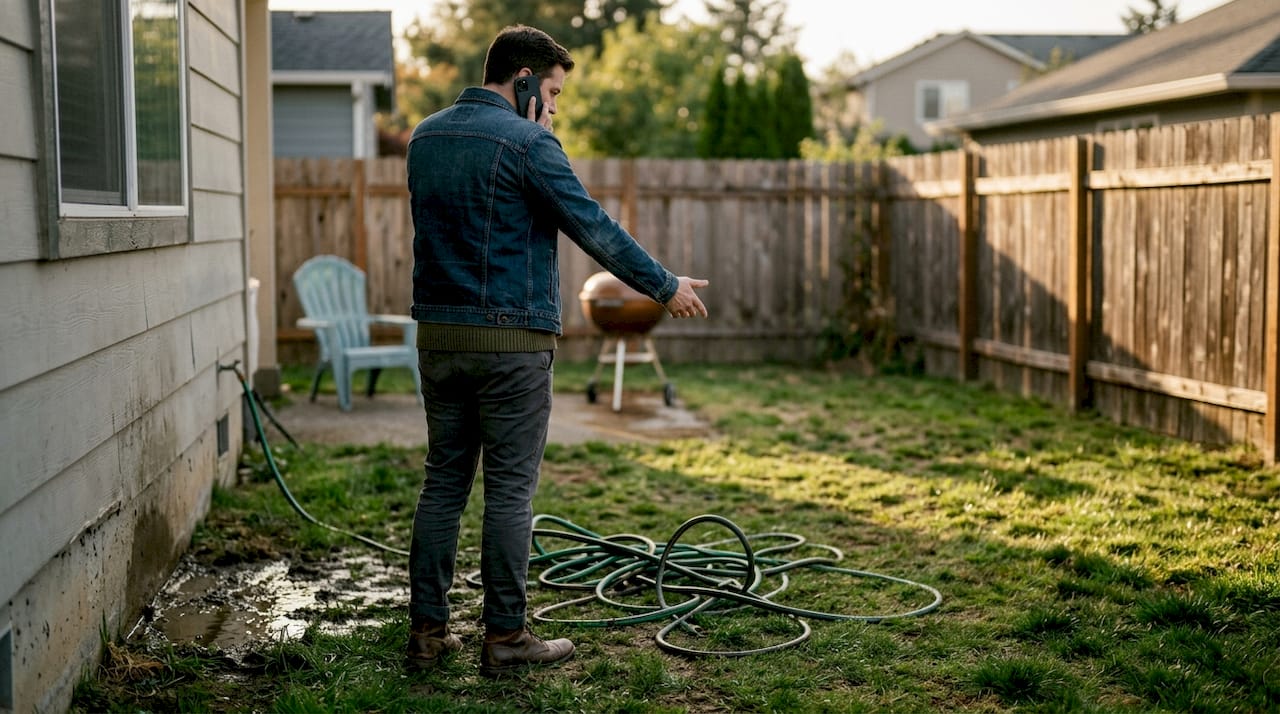
Multiple-fixture backups or sudden whole-home pressure loss are red flags that point to main-line problems rather than isolated clogs, pushing the situation firmly toward emergency triage. Here is how the most common San Antonio emergencies stack up:
| Scenario | Emergency level | Why it matters |
|---|---|---|
| Burst pipe | Immediate | Rapid flooding, structural damage |
| Sewage backup | Immediate | Health hazard, bacterial exposure |
| Gas leak | Immediate | Explosion and poisoning risk |
| Water heater failure | High | Loss of hot water, potential flooding |
| Main-line blockage | High | Affects entire home, sewage risk |
| Isolated slow drain | Low | Inconvenient but not dangerous |
| Dripping faucet | Low | Wasteful but not urgent |
When to escalate quickly is clearest in these common local situations:
- Burst pipes near the slab. Older San Antonio homes with cast iron or galvanized steel pipes are especially vulnerable during temperature swings. A slab leak, which is a leak in pipes running beneath the concrete foundation, can silently cause foundation damage for weeks before any visible sign appears.
- Sewage backup after heavy rain. San Antonio’s drainage system can become overwhelmed after significant rainfall events, forcing sewage backward into homes through floor drains and low-level toilets.
- Water heater failure with flooding. Tank-style water heaters that fail catastrophically can release 40 to 80 gallons of water within minutes, soaking flooring and adjacent walls.
- Multiple drains backing up simultaneously. If your kitchen sink, bathroom sink, and shower are all draining slowly or backing up at the same time, this is not three separate problems. It points to a main sewer line issue that requires urgent attention.
Learning to recognize common emergency issues specific to this region is one of the most practical steps a San Antonio homeowner can take. And knowing which signs indicate you need an emergency plumber can shorten the time between problem and solution.
Pro Tip: Walk through your home once a month and listen. Gurgling sounds from drains when no one is using them, or the smell of rotten eggs near gas appliances, are your home trying to tell you something important. Do not ignore those signals.
What to do before the emergency plumber arrives
Once you recognize that a plumbing situation is a true emergency, your actions in the next few minutes matter enormously. Fast, smart containment can mean the difference between a repair bill and a full-scale restoration project.
Shutting off the nearest water source, managing electrical safety when water is near wiring, and then calling for emergency dispatch are the three core actions that should happen in that exact sequence.
Here is a step-by-step approach to follow:
- Locate and shut off the water supply. Start with the shutoff valve closest to the problem. If you cannot isolate the source, go directly to the main shutoff valve, which is usually located near the water meter or where the main line enters the home.
- Turn off electricity in affected areas. If water is anywhere near electrical outlets, panels, or appliances, shut off the breaker for that zone immediately. Do not step into standing water if electricity may be active.
- Move valuables and documents out of harm’s way. Electronics, important paperwork, and irreplaceable items should be relocated quickly to dry areas.
- Document everything with photos and video. Walk through the affected areas and capture the damage before any cleanup begins. This documentation is critical for insurance claims.
- Call your emergency plumber. Once you are safe and the situation is contained as much as possible, make the call. Provide as much detail as possible about what you are seeing.
- Begin basic water removal if safe to do so. Use towels, buckets, or a wet vac to start removing standing water while you wait. The faster moisture is removed, the less opportunity for mold growth.
| Action | Time frame | Purpose |
|---|---|---|
| Shut off water | Immediately | Stop ongoing damage |
| Electrical safety | Within 1 minute | Prevent electrocution |
| Document damage | Before cleanup | Support insurance claims |
| Call plumber | As soon as safe | Get professional help dispatched |
| Begin water removal | While waiting | Limit mold and structural damage |
Following these step-by-step emergency actions protects both your household and your ability to recover financially. Knowing where your shutoff valves are before an emergency happens is one of the most valuable things you can do as a homeowner. Make it a point to locate and test them today.
Pro Tip: Keep a waterproof folder in your kitchen or utility room with your home’s plumbing map, main shutoff valve location, insurance policy number, and your emergency plumber’s contact information. When water is rising, you will not have time to search for any of it.
Solid leak containment tips can make a critical difference in how much damage you end up dealing with, especially in those early minutes before the plumber arrives.
Gas leaks: Special protocols every homeowner must follow
Gas leaks are the most serious plumbing-adjacent emergency a homeowner can face. Unlike a burst pipe, a gas leak gives you no visible sign and very little time. The consequences of a misstep are severe.
Common signs of a gas leak include:
- A smell like rotten eggs or sulfur, which is the added odorant in natural gas
- A hissing or whistling sound near gas lines or appliances
- Dead vegetation in an otherwise healthy patch of yard, which can indicate an underground leak
- Physical symptoms like dizziness, nausea, or headache without an obvious cause
- Bubbles in standing water near gas lines
Gas leak protocol requires evacuation first, with calls to emergency services and your gas utility coming before any contact with a plumber. This is the correct order of operations, and it is not negotiable.
Here is exactly what to do:
- Stop what you are doing and get everyone out of the house immediately. Do not stop to grab valuables. Leave doors open as you exit to allow ventilation.
- Do not operate any electrical switches, outlets, or appliances. Even a light switch can create a spark sufficient to ignite gas. Leave your phone off until you are outside.
- Move at least 300 feet away from the structure before using your phone.
- Call 911 first, then your gas utility company (CPS Energy in San Antonio), and report the suspected gas leak.
- Do not re-enter the building until emergency responders and the gas utility have inspected and cleared the property.
- Only after the all-clear is given should you contact your plumber to assess and repair damaged gas lines or water heater connections.
The plumber comes last. Not because their role is less important, but because no repair work can or should begin until the gas is isolated and confirmed safe by trained emergency personnel. Understanding gas emergency basics is something every homeowner in San Antonio should be clear on well before any emergency occurs.
Emergency or not? How to make a fast, confident call
One of the most common sources of confusion we hear from homeowners is: “I wasn’t sure if it was bad enough to call.” That hesitation is understandable, but it is also expensive. Here is a simple framework to remove the guesswork.
Ask yourself three questions. First, is there an immediate risk to health or safety? Second, is the problem actively damaging the structure or contents of my home? Third, has an essential fixture like a toilet, water supply, or sewage line become completely unusable?
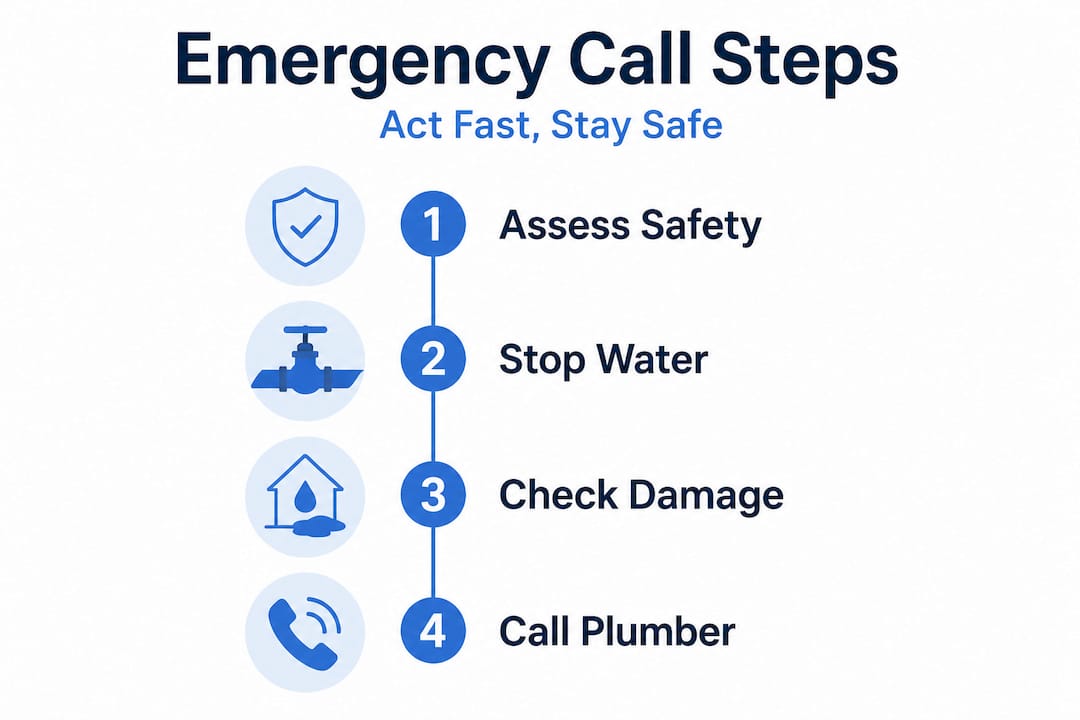
Minor issues like dripping faucets, slow drains, and small non-spreading leaks can wait for regular business hours without meaningful risk. But if the answer to any of those three questions above is yes, call for emergency service now.
| Situation | Emergency? | Recommended action |
|---|---|---|
| Noisy pipes (water hammer) | No | Schedule routine service |
| Single slow drain | No | Use drain cleaner or schedule service |
| Water near electrical outlet | Yes | Shut off electricity and call immediately |
| Sewage smell in multiple rooms | Yes | Call emergency plumber now |
| Dripping outdoor faucet | No | Monitor and schedule repair |
| Burst pipe with active flooding | Yes | Shut off water and call immediately |
For San Antonio homeowners specifically, a few regional factors add complexity. Older homes in areas like Alamo Heights or the near-northside often have aging cast iron drain lines that can fail suddenly. San Antonio’s heavy clay soil expands and contracts significantly with seasonal moisture changes, putting added stress on slab-embedded pipes. And the city’s hard water accelerates scale buildup inside pipes and water heaters, increasing failure risk.
When in doubt, err on the side of calling. A brief call to your plumber for advice costs nothing, and a professional can help you assess severity over the phone. Check out quick tips for emergencies to have a reference ready, and keep fast home solutions guidance bookmarked for those moments when clarity is hard to find.
Pro Tip: If you are ever unsure whether water is near active electrical wiring, treat the situation as an emergency every single time. The downside of over-caution is an unnecessary call. The downside of under-caution can be fatal.
Why most homeowners get emergency plumbing wrong—and how to do better
Here is what we have learned from years of responding to plumbing calls across San Antonio: the problem almost never started the moment the homeowner called us. It started days, sometimes weeks, earlier. A sound they noticed and dismissed. A drain that was slow but “not a big deal yet.” A water bill that crept up $30 and was chalked up to summer usage.
The conventional wisdom that you wait until something is undeniably broken before calling a professional is exactly the mindset that turns a $400 repair into a $4,000 restoration project. We are not saying that to frighten you. We are saying it because we see the pattern constantly.
What experienced plumbers wish homeowners understood is this: your instincts about your home are usually right. If something sounds different, smells different, or behaves differently, that is a signal worth taking seriously. The cost of a diagnostic visit is a small price compared to what delayed action can cost.
There is also a subtle psychological trap at play. Homeowners often feel embarrassed about calling what might turn out to be a non-emergency. That hesitation can be dangerous. Our perspective is simple: we would rather come out and confirm that your slow drain is just a minor clog than receive a call from you 48 hours later with water in your living room. Call us. Ask. That is what we are here for.
The homes we protect best are the ones where owners treat early symptoms with respect and act without waiting for crisis-level proof. Protecting your home starts with changing the mindset from “wait and see” to “act and confirm.”
San Antonio’s emergency plumbers are ready to help—don’t wait until it’s too late
When a true plumbing emergency hits your home, response time matters. Water damage compounds by the minute, and the health risks from sewage or gas exposure do not pause while you search for help. That is exactly why Stultz Plumbing built our emergency response service around fast dispatch and real accountability. Our affordable plumbing services cover everything from the routine to the urgent, so you always have one trusted team to call. When the situation cannot wait, our same-day emergency response team is equipped and ready across San Antonio and surrounding areas. Do not let hesitation turn a manageable problem into a major disaster. Reach out to our emergency plumber team right now, and let us protect your home the way it deserves.
Frequently asked questions
What is considered a true plumbing emergency?
A true emergency is any situation that threatens your home’s structure, your health, or makes essential fixtures completely unusable, such as burst pipes, gas leaks, or sewage backups. Urgent situations differ from routine issues in that they demand immediate action rather than scheduled service.
How do I shut off the water during a plumbing emergency?
Turn off the shutoff valve closest to the problem first, or go directly to the main water supply shutoff if you cannot isolate the source. Fast shutoff action limits ongoing water damage while you wait for professional help to arrive.
What should I do if I smell gas in my home?
Evacuate immediately without touching any light switches or appliances, then call 911 and your gas utility from outside and well away from the building. Gas emergencies require authorities first, and your plumber should only be contacted after emergency responders have cleared the property.
Are all leaks emergency situations?
No, not all leaks require emergency service. A minor drip from a faucet or a small, contained leak that is not spreading can typically wait for a scheduled repair appointment. However, any leak that is actively flooding your space or is located near electrical components must be treated as urgent.
Why is rapid action important in plumbing emergencies?
Every minute of delay allows water to penetrate deeper into flooring, walls, and insulation, dramatically increasing repair costs and mold risk. Early containment and dispatch can limit property damage, prevent health hazards, and significantly speed up recovery after repairs are complete.
Recommended
Jean runs growth strategy at AimSetWin, a performance marketing agency specializing in local service businesses across Texas. he's helped plumbers, HVAC companies, pest control operators, and home service brands build predictable revenue systems using data-driven advertising and conversion optimization.


