

Discover what is plumbing code and why it’s crucial for homeowners. Ensure your projects meet safety standards with expert insights from Stultz Plumbing.
TL;DR:
- Plumbing codes are enforceable standards that ensure safe and functional water systems in buildings, with Texas primarily following the IPC. Compliance involves permits, inspections, and understanding local amendments to prevent costly rework and health hazards. Recognizing the differences between residential and commercial codes helps property owners meet legal requirements and safeguard their investments.
Plumbing code is defined as a legally enforceable set of standards that regulates the design, installation, alteration, repair, and maintenance of plumbing systems to protect public health and safety. Two primary model codes govern most of the United States: the International Plumbing Code (IPC) and the Uniform Plumbing Code (UPC). In San Antonio and across Texas, local code adoption follows IPC-based standards with specific local amendments. Whether you are remodeling a bathroom, building a new home, or managing a commercial property, understanding plumbing codes keeps your project legal, safe, and protected from costly rework. Contact Stultz Plumbing today if you need a licensed professional who knows San Antonio’s code requirements inside and out.
What is plumbing code and why does it matter?
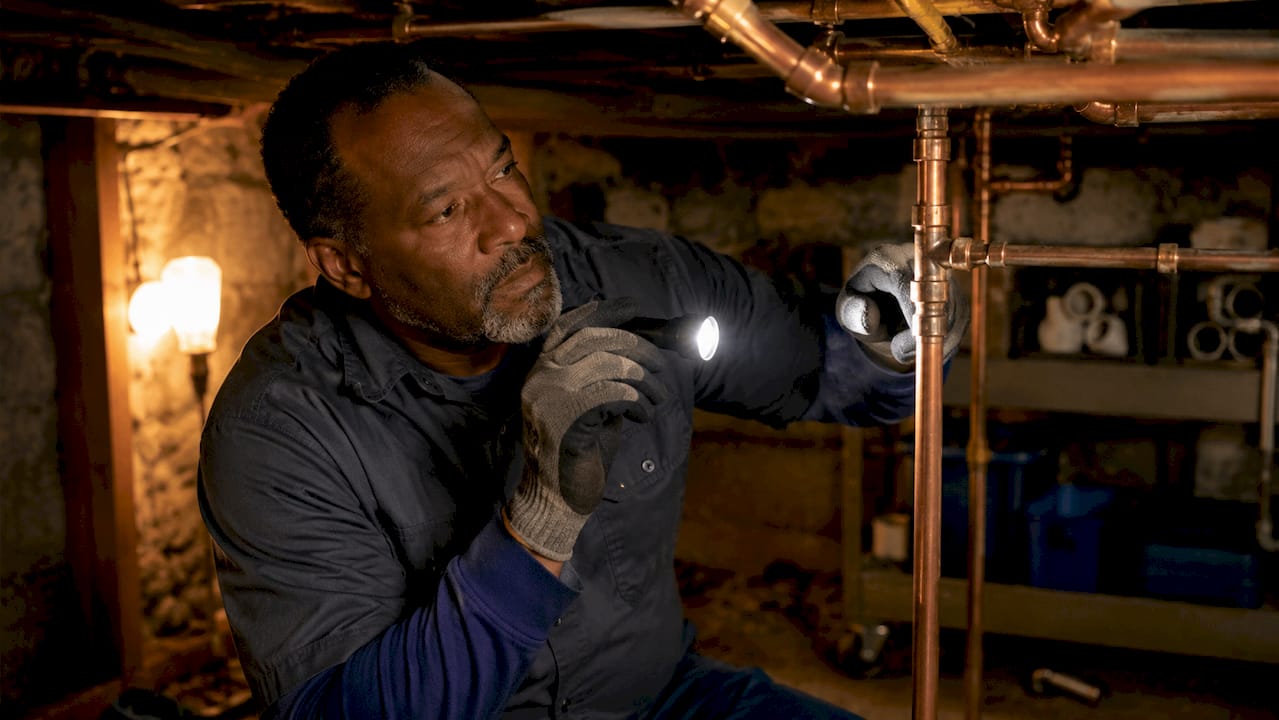
Plumbing codes regulate the design, installation, alteration, repair, and maintenance of plumbing systems to protect public health and safety. Think of them as the rulebook every licensed plumber must follow before a single pipe goes into your wall. Without these standards, there would be no consistent way to prevent sewer gas leaks, contaminated water supplies, or dangerous backflow events.
The importance of plumbing codes goes beyond paperwork. Compliance reduces water contamination incidents by up to 40% compared with non-compliant systems. That number reflects real risk: a single backflow event can introduce sewage into a home’s drinking water supply, creating a serious health hazard for your family.
Codes also protect your financial investment. A home or business with unpermitted plumbing work can face forced rework, fines, or a reduced sale price when the property changes hands. Plumbing code compliance is not just a legal obligation. It is a form of infrastructure insurance.
In San Antonio specifically, the city enforces IPC-based codes with local amendments. That means the rules you follow in Alamo Heights or Leon Springs may differ slightly from what applies in other Texas cities. Working with a plumber who understands those local nuances is the difference between a smooth inspection and a failed one.
What are the main components covered by plumbing codes?
Plumbing code requirements cover far more than pipe selection. They govern every element of a plumbing system from the water supply entry point to the final drain connection. Here is what the code addresses in a typical residential project:
- Pipe materials and sizing: Codes specify which materials are approved for supply lines, drain lines, and vent stacks. Common approved materials include copper, CPVC, PEX, and cast iron, depending on the application.
- Fixture placement and minimum counts: Codes set minimum distances between fixtures and walls, between toilets and adjacent surfaces, and minimum fixture counts based on occupancy.
- Drainage slopes: Drain lines must maintain a specific slope, typically 1/4 inch per foot of horizontal run, to prevent standing water and blockages.
- Venting standards: Every drain requires proper venting to prevent siphoning of trap seals, which keeps sewer gases out of living spaces.
- Backflow prevention: Codes require backflow prevention devices on irrigation systems, boilers, and anywhere a cross-connection risk exists between potable and non-potable water.
- Permitting and inspection: Any new installation or significant alteration requires a permit and must pass inspection before walls are closed.
Understanding plumbing codes at this level helps you ask the right questions when hiring a contractor. If a plumber tells you a permit is not needed for a full bathroom addition, that is a red flag worth investigating before work begins.
Pro Tip: Before any remodeling project, review the plumbing considerations specific to San Antonio bathroom remodels so you know which permits and inspections apply to your project before the first tool is picked up.
How do the IPC and UPC differ from each other?
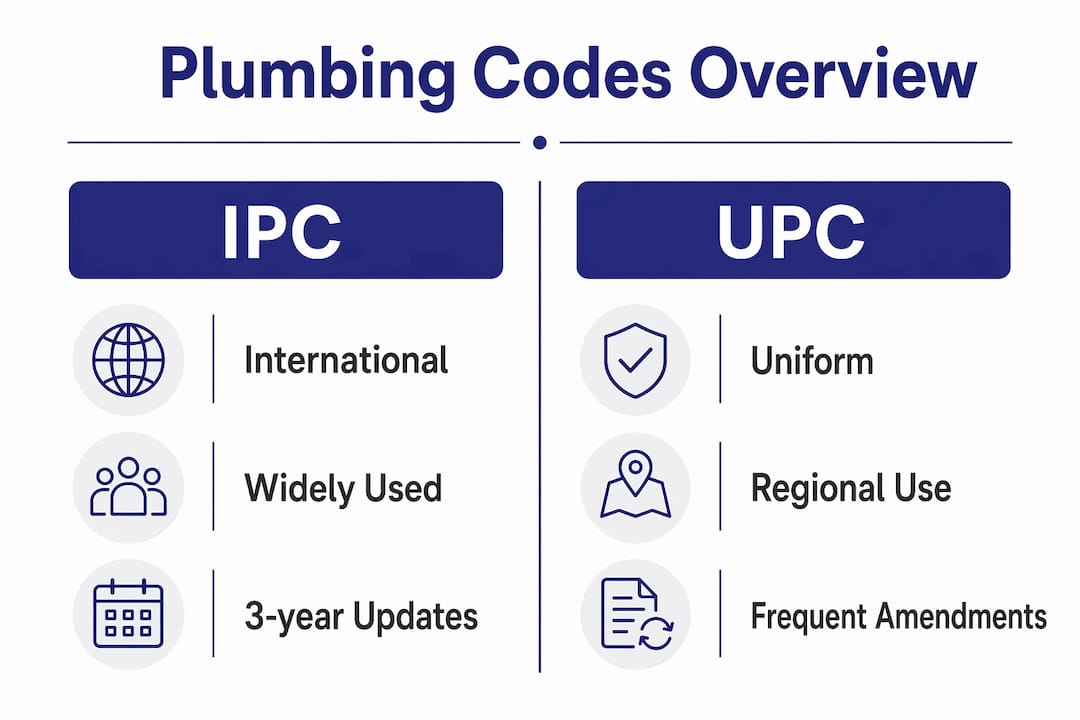
The two dominant national model codes in the United States are the International Plumbing Code (IPC) and the Uniform Plumbing Code (UPC). Both set minimum standards for plumbing systems, but they differ in origin, structure, and geographic adoption.
The IPC is the most widely adopted plumbing code by U.S. states, updated on a three-year revision cycle with state-specific amendments layered on top. The International Code Council (ICC) publishes the IPC, and it is the foundation for Texas plumbing regulations, including those enforced in San Antonio. The UPC, published by the International Association of Plumbing and Mechanical Officials (IAPMO), is developed through an ANSI consensus process and is primarily used in western states like California and Oregon.
Here is a direct comparison of the two codes:
| Feature | IPC (International Plumbing Code) | UPC (Uniform Plumbing Code) |
|---|---|---|
| Publisher | International Code Council (ICC) | IAPMO |
| Primary adoption region | Most U.S. states, including Texas | Western and some midwestern states |
| Update cycle | Every 3 years | Every 3 years |
| Venting methods | Multiple approved methods | More restrictive venting options |
| Enforcement structure | Adopted with local amendments | Adopted with local amendments |
| Fixture unit calculations | ICC-based tables | IAPMO-based tables |
The practical difference for a San Antonio homeowner is straightforward: Texas follows IPC-based standards. If you are reading a plumbing guide written for California contractors, some of the code references will not apply to your project. Always confirm which code edition your local Authority Having Jurisdiction (AHJ) enforces before pulling a permit.
Different states and local jurisdictions adopt codes with amendments, which means localized knowledge is required for effective compliance. A plumber licensed in San Antonio knows which amendments apply locally and which national code provisions have been modified or replaced.
What are the key differences between residential and commercial plumbing codes?
Residential and commercial plumbing codes are not interchangeable. Applying residential standards to a commercial project is one of the most common and costly compliance mistakes property owners make.
Here is how the two categories differ in practice:
-
Building classification: Single-family homes and duplexes fall under residential codes. Multi-family buildings with 3 or more units are typically governed by commercial plumbing codes, which triggers stricter inspection requirements and material standards.
-
Fixture count requirements: Commercial codes calculate required fixtures based on occupancy load. A restaurant, office building, or retail space must provide a minimum number of toilets, sinks, and drinking fountains based on the number of people the space is designed to hold.
-
Material and pressure standards: Commercial systems handle higher water demand and must use materials rated for greater pressure and flow. Residential-grade PEX or CPVC may not be approved for high-demand commercial applications.
-
Inspection frequency: Commercial plumbing codes are more complex due to occupancy loads and require stricter fixture and material compliance. Commercial projects typically require more inspection checkpoints than a standard residential build.
-
Consequences of misclassification: Applying residential standards to a commercial property can result in business closure for code violations. This is not a theoretical risk. Health departments and building inspectors have the authority to shut down operations until violations are corrected.
For business owners in San Antonio, understanding commercial versus residential plumbing requirements before construction begins prevents expensive surprises during the final inspection phase. The cost of getting it right the first time is always less than the cost of rework and fines.
What does the plumbing code compliance process involve?
Compliance is not a single event. It is a process that begins before construction starts and ends only after a licensed inspector signs off on the completed work. Here is what that process looks like in practice:
- Permit application: Any new plumbing installation, major repair, or system alteration requires a permit from the local AHJ. In San Antonio, this means submitting plans and specifications to the city’s Development Services Department before work begins.
- Rough-in inspection: Rough-in inspections before concealment verify critical elements like pipe slope, vent routing, and drain connections. This inspection happens after pipes are installed but before walls are closed. Inspectors have the legal authority to require walls to be opened if work is concealed before rough-in approval.
- Final inspection: Once all fixtures are installed and the system is operational, a final inspection confirms the completed work matches the approved plans and meets all code requirements.
- Ongoing compliance: For commercial properties, compliance does not end at final inspection. Backflow prevention devices require annual testing, and any future modifications trigger new permit requirements.
- Consequences of non-compliance: Failure to comply can result in fines, forced rework, project shutdowns, and property devaluation. Unpermitted work discovered during a home sale can delay or kill the transaction entirely.
Common pitfalls to avoid include starting work before a permit is issued, covering drain lines before the rough-in inspection, and assuming a previous owner’s unpermitted work is grandfathered in. None of these assumptions hold up under a formal inspection.
Pro Tip: Projects must comply with the specific code edition in effect at the time of permit issuance, not the edition current when design began. If your project is delayed by several months and a new code cycle takes effect, your design may require adjustments before the permit is approved.
The role of plumbers in home safety extends directly into the compliance process. A licensed plumber does not just install pipes. They prepare permit applications, schedule inspections, and make sure the work passes every checkpoint without delays.
Key takeaways
Plumbing code is the legally enforced framework that protects public health, prevents property damage, and determines whether your plumbing system will pass inspection or require costly rework.
| Point | Details |
|---|---|
| Plumbing code defined | Legally enforceable standards regulating plumbing design, installation, and inspection to protect health and safety. |
| IPC vs UPC | Texas and San Antonio follow IPC-based codes; the UPC applies primarily in western states like California. |
| Residential vs commercial | Buildings with 3 or more units fall under commercial codes, triggering stricter materials and inspection standards. |
| Compliance process | Permits, rough-in inspections, and final inspections are all required; skipping any step risks fines and forced rework. |
| Code version at permit issuance | The code edition active when your permit is issued governs your project, regardless of when design work started. |
Why plumbing codes deserve more respect than they get
I have seen homeowners treat plumbing permits like optional paperwork. They hire the cheapest contractor, skip the permit to save a few hundred dollars, and then face a $5,000 rework order when the house goes on the market three years later. That pattern is more common than most people realize.
Experts describe plumbing codes as the “unsung heroes” that protect infrastructure and consumer investment. I agree completely. The code is not there to slow down your project. It exists because someone, somewhere, got sick from contaminated water or lost a home to a sewer gas explosion. Every rule in the IPC or UPC traces back to a real failure that the code was written to prevent.
The residential versus commercial distinction is where I see the most dangerous misconceptions. A property owner converts a duplex into a four-unit rental, assumes residential code still applies, and skips the commercial-grade inspection. That building now has plumbing that cannot legally support its occupancy load. The commercial plumbing requirements exist for exactly this reason.
My advice is straightforward. Treat code compliance as a baseline, not a ceiling. A code-compliant system is the minimum acceptable standard. The best plumbing work exceeds code requirements and is built to last well beyond the next inspection cycle. In San Antonio’s climate, where hard water and temperature swings stress pipes year-round, that margin matters.
— Jean
How Stultz Plumbing keeps your project code-compliant in San Antonio
When code compliance is on the line, you need a plumber who knows San Antonio’s local amendments, not just the national model code.

Stultz Plumbing handles residential and commercial plumbing services across San Antonio and surrounding communities, including Alamo Heights, Leon Springs, Boerne, and Fair Oaks. Our team manages the full compliance process: permit applications, rough-in inspections, final sign-offs, and everything in between. We also specialize in repiping, water heater installation, drain cleaning, and construction plumbing for new builds and remodels. For businesses that need to meet commercial plumbing code standards, we bring the occupancy-load expertise and licensed inspection experience your project requires. Call Stultz Plumbing today and get your project done right the first time.
FAQ
What is plumbing code in simple terms?
Plumbing code is a set of legally enforceable rules that govern how plumbing systems are designed, installed, and inspected. These standards protect public health by preventing contaminated water, sewer gas leaks, and unsafe drainage.
Which plumbing code applies in San Antonio, Texas?
San Antonio follows IPC-based plumbing codes with local amendments enforced by the city’s Authority Having Jurisdiction. Texas adopted the International Plumbing Code as its foundation, with state and municipal modifications layered on top.
Do I need a permit for plumbing work in my home?
Any new plumbing installation or significant alteration requires a permit from your local AHJ. Work done without a permit can result in fines, forced rework, and complications when selling your property.
What happens if plumbing work fails inspection?
Failed inspections require the contractor to correct the non-compliant work and schedule a re-inspection. If work was concealed before a rough-in inspection, inspectors have the legal authority to require walls to be opened for verification.
Are commercial plumbing codes different from residential codes?
Yes. Commercial plumbing codes are more complex and require stricter fixture counts, material standards, and inspection frequency based on occupancy load. Multi-family buildings with three or more units are typically classified under commercial code requirements.
Recommended
- Plumbing compliance in Texas: Essential guide for homeowners
- Plumbing Terminology Guide for DIY Homeowners
- Types of Residential Plumbing: Your 2026 Homeowner’s Guide
Jean runs growth strategy at AimSetWin, a performance marketing agency specializing in local service businesses across Texas. he's helped plumbers, HVAC companies, pest control operators, and home service brands build predictable revenue systems using data-driven advertising and conversion optimization.


