

Wondering what drain snaking is? Discover how this effective plumbing solution can clear stubborn clogs in your San Antonio home!
TL;DR:
- Drain snaking is a mechanical method that physically breaks or retrieves clogs beyond a plunger’s reach. It involves inserting a flexible metal cable with an auger tip into the drain to clear blockages approximately 15 to 25 feet deep, depending on the tool used. Homeowners should attempt snaking for localized clogs but call professionals for persistent or deep issues to prevent damage and ensure thorough cleaning.
A stubborn clog that laughs at your plunger is one of the most frustrating things a homeowner can face. Water backs up, the sink sits full, and you are left wondering what comes next. What is drain snaking? It is the answer most homeowners overlook. Drain snaking is the process of feeding a flexible metal cable into a drain to physically break apart or retrieve the clog sitting beyond your plunger’s reach. In this guide, we walk you through exactly how it works, when to do it yourself, and when to call a San Antonio plumber before a slow drain becomes a real emergency.
Table of Contents
- What is drain snaking and how does it work
- When should you try drain snaking yourself and when to call a pro
- Step-by-step guide to safely snake your drain at home
- Understanding plumbing traps and their role in drain snaking
- Comparing drain snaking to other drain cleaning methods
- Why DIY drain snaking sometimes fails and what pros do differently
- Reliable drain snaking and plumbing services in San Antonio
- Frequently asked questions
What is drain snaking and how does it work
Drain snaking is more than just jabbing a wire into your pipe and hoping for the best. It is a controlled, mechanical process that targets physical blockages sitting well below the drain opening. Flexible metal cables physically break up or retrieve clogs by rotating and moving through the pipe’s twists and turns. The cable is coiled inside a drum canister and feeds into the drain as you turn the handle.
At the tip of the cable sits an auger head, a small corkscrew or hook-shaped attachment. As you rotate the handle, the snake’s tip either breaks up the blockage into small pieces or grabs it so you can pull it out. This is what separates snaking from plunging. A plunger creates air pressure to dislodge surface clogs. A drain snake physically reaches the problem, wherever it is hiding.
Understanding common reasons for clogged drains helps you choose the right approach from the start. Not every clog responds the same way, and the type of debris matters.
Here is a quick breakdown of the most common drain snaking tools:
- Hand-crank snake (drum auger): Best for sinks, tubs, and showers. Cable typically runs 15 to 25 feet.
- Toilet auger: Designed with a rubber sleeve to protect the porcelain while reaching clogs past the trap.
- Electric or power snake: A motor-driven version for heavier blockages or longer pipe runs.
- Flat tape snake: A rigid, flat cable used for larger pipes where a round cable would flop around.
Choosing the right tool matters. Using a hand snake on a main sewer line, for example, will not get the job done. That is where professional unclogging tools step in. Professionals carry larger, motorized equipment that reaches 50 to 100 feet or more. Now that you know what drain snaking is, let’s explore when and why you should use this method for your clogged drains.
When should you try drain snaking yourself and when to call a pro
Knowing when to DIY and when to call a pro is key to protecting your San Antonio home’s plumbing. The good news is that many common household clogs fall squarely within the DIY range. The bad news is that homeowners often miss the signs that something bigger is going on underneath.
Drain snaking works best for clogs within about 15 to 25 feet of the fixture. Recurring clogs or multiple backups usually need professional inspection or hydrojetting. If only one fixture is slow, you are likely dealing with a localized clog you can handle. If two or more drains are backing up at the same time, that is a red flag pointing to the main sewer line.
Experts also warn against mixing drain chemicals with mechanical tools like drain snakes. Caustic chemical cleaners left in a pipe can splash back onto your skin and eyes the moment a cable disturbs them. Always flush the drain with plain water first if you have recently used any chemical product.
Signs you can probably snake it yourself:
- Slow drain in a single sink, tub, or shower
- Clog appeared suddenly after a specific event (washing hair, cooking)
- Plunger makes partial progress but does not fully clear it
- No foul sewage odor from multiple drains
Signs you need to call a plumber immediately:
- Multiple fixtures backing up at the same time
- Sewage smell coming from floor drains or multiple fixtures
- Drain is still slow within 48 hours after snaking
- Gurgling sounds from other fixtures when water drains
Pro Tip: Always try a plunger before reaching for the snake. A few firm plunges sometimes dislodge a shallow clog in seconds, saving you the setup and cleanup that comes with snaking. If the plunger fails completely, then move on to the snake.
Knowing the line between a manageable clog and a system-wide issue prevents you from accidentally pushing debris deeper. Familiarize yourself with emergency plumbing tips so you are never caught off guard. For tougher situations, camera inspections and hydro jetting offer a level of diagnosis and cleaning power no hand snake can match.
Step-by-step guide to safely snake your drain at home
Now that you understand when to snake a drain, let’s walk through the exact steps to do it safely and effectively. This process applies to sinks and showers, the two most common DIY snaking situations in San Antonio homes.
Before snaking, wear gloves and eye protection, have a bucket ready, and slowly feed the cable into the drain while rotating the crank to break up or hook the clog. That sentence sounds simple, but each step has a real technique behind it.
- Put on safety gear first. Rubber gloves and safety goggles are non-negotiable. Drains carry bacteria, and a cable spinning in a pipe can fling debris toward your face without warning.
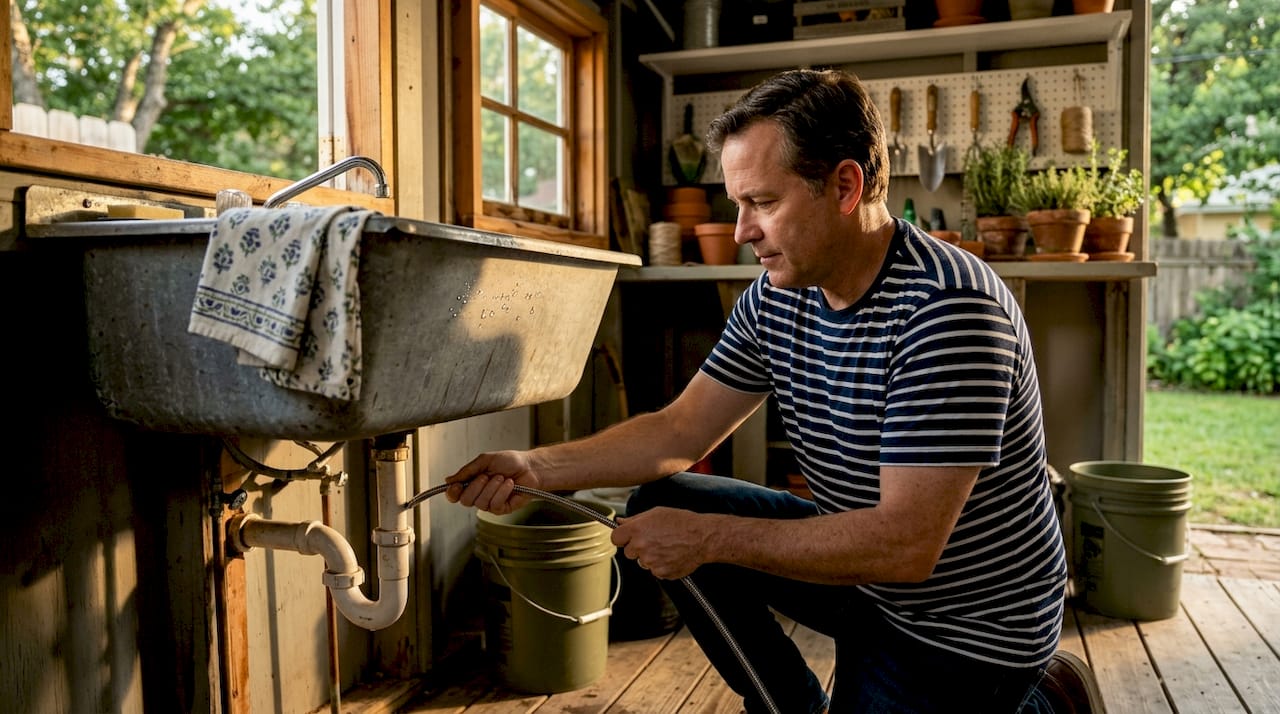
- Set a bucket under the P-trap. The P-trap is the curved pipe section directly beneath your sink. Water sitting inside will spill when you open it.
- Remove the P-trap if possible. Removing the P-trap first often resolves many sink clogs without needing a snake at all. Check the trap for trapped hair, grease, or debris before going any further.
- Insert the snake cable slowly. Feed the cable into the pipe opening gradually. Do not jam it. Rotate the handle clockwise as you feed it forward to help the tip navigate bends in the pipe.
- Engage the clog. You will feel resistance when the auger tip hits the blockage. Keep rotating. You are either breaking the clog apart or wrapping it around the tip for retrieval.
- Retract carefully. Pull the cable back slowly while continuing to rotate it. This keeps debris attached rather than letting it fall back into the pipe.
- Dispose of debris and reassemble. Drop collected debris into your bucket. Reinstall the P-trap with fresh plumber’s tape on the threads if the seal looks worn.
- Run water to confirm the clog is cleared. Turn on hot water for 30 to 60 seconds. The drain should flow freely without pooling.
Pro Tip: If you meet hard resistance at a pipe bend, do not force the cable. Back off a few inches, rotate slowly, and re-approach the bend at a different angle. Forcing a snake around a tight curve can score the inside of plastic pipes or kink the cable permanently.
For deeper context on working with sink pipes, the sink drain pipe DIY guide walks through the anatomy of under-sink plumbing. And if you are ever unsure about safety, plumbing safety tips for San Antonio homeowners cover what to watch for before and during any DIY repair.
Understanding plumbing traps and their role in drain snaking
Knowing the importance of traps helps you understand why snaking often starts at the P-trap and how to preserve your plumbing’s function. The P-trap is that U-shaped pipe sitting below every sink, shower, and tub drain. Its job is simple but critical: it holds a small amount of standing water at all times.
Every plumbing trap must maintain a liquid seal between 2 and 4 inches deep to block sewer gases and odors from entering your home. Without that water seal, the smell of hydrogen sulfide and methane gas would rise freely through your drain openings. That seal is your first line of defense against your home smelling like a sewer.
During snaking, removing the P-trap is often necessary to access clogged sink drains before the cable can go any further. Skipping this step and feeding the cable directly through the drain opening is a common mistake. The cable can push debris past the trap and deeper into the wall pipe, making the situation harder to clear.
Here is a comparison of what the P-trap catches versus what typically escapes into the main line:
| Debris type | Typically caught in P-trap | Escapes to main drain line |
|---|---|---|
| Hair and soap scum | Yes | Rarely |
| Food particles | Yes | Sometimes |
| Grease buildup | Partly | Yes, over time |
| Foreign objects | Often | If small enough |
| Tree roots | No | Yes |
| Mineral scale | Partly | Yes |
Understanding this breakdown tells you something useful: most sink clogs are sitting right in the trap. That is also why clearing the trap first, before reaching for the snake, is always worth a try. For more on preserving your pipes, the drain cleaning basics guide covers what routine maintenance looks like, and the benefits of regular drain cleaning explains why staying proactive prevents emergency situations.
Comparing drain snaking to other drain cleaning methods
With a clear understanding of how drain snaking fits among cleaning options, let’s look at how it stacks up against the alternatives you will likely encounter as a San Antonio homeowner.
Mechanical tools like drain snakes can clear clogs without harsh chemicals but are not suitable for all blockages. That is an important distinction. A snake is physical and targeted. It works well on debris it can grab or break. But it cannot remove mineral scale coating the inside of a pipe or flush out grease buildup lining a long stretch of drain line.
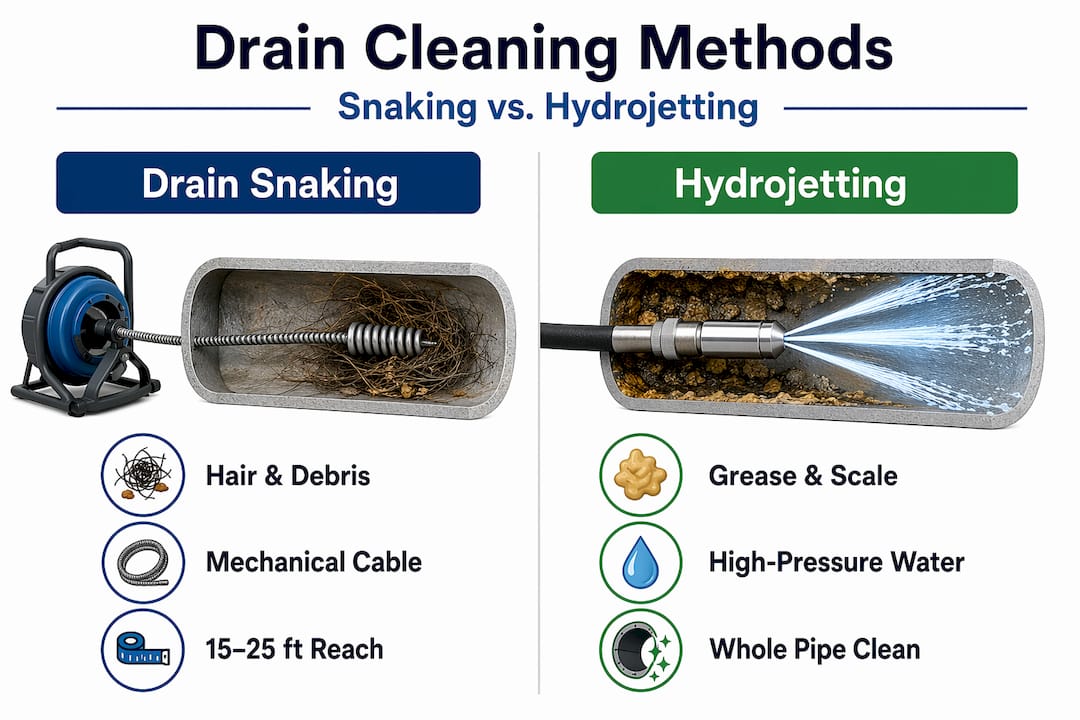
Hydrojetting uses high-pressure water to scour pipes and is recommended for grease, scale buildup, or recurrent clogs. Think of it like pressure washing the inside of your pipes. No cable, no pulling out debris. The water does all the work, and the clog exits the system entirely rather than being broken into smaller pieces that could reaccumulate.
| Method | Best for | Limitations |
|---|---|---|
| Plunging | Surface clogs within 2 to 3 feet | Cannot reach deep blockages |
| Drain snaking | Physical clogs up to 25 feet | Cannot remove buildup or coating |
| Chemical cleaners | Soft organic buildup like hair | Can damage pipes, unsafe to mix |
| Hydrojetting | Grease, scale, recurrent clogs | Requires professional equipment |
| Camera inspection | Diagnosing cause of recurring clogs | Does not clear the clog itself |
The takeaway here is that drain snaking fills a specific gap. It is more powerful than a plunger and safer than chemicals, but it has a ceiling. Recognize that ceiling and you will know exactly when to escalate. For everyday prevention, effective tips to prevent clogs can save you from needing any of these methods too frequently. And when snaking is clearly not enough, advanced drain cleaning methods like hydrojetting and camera diagnostics exist for a reason.
Why DIY drain snaking sometimes fails and what pros do differently
We have seen a lot of homeowner snaking attempts that did more harm than good. Not because the homeowner was careless, but because a few small mistakes in technique turn a manageable clog into a deeper, more expensive problem.
The most common failure point is skipping the P-trap. Many failed drain snaking attempts occur when homeowners do not remove the P-trap or blindly feed the cable, pushing debris farther down or kinking the cable. When you feed a cable through the drain opening without checking the trap first, you are essentially taking a blind shot. The clog that was sitting six inches below your drain may now be sitting two feet deeper in your wall pipe.
The second failure is forcing the cable. A drain snake is not a battering ram. It needs to be guided. When resistance increases significantly, that is feedback. Stop, rotate slowly, and adjust your angle. Forcing the cable past a tight bend in a plastic pipe can crack or score the pipe wall, and that is a repair that costs far more than a service call.
Professionals approach snaking differently. They start with a camera to see exactly where the clog is and what it is made of before feeding a single inch of cable. That changes everything. Instead of guessing, they know whether they are dealing with compacted grease, a root intrusion, or a foreign object. Then they choose the right tool for that specific clog.
Recurring clogs or multiple backups usually mean a deeper problem suited for camera inspection or hydrojetting. After a professional snakes a drain, they often follow up with hydrojetting for tough clogs to flush residual buildup clinging to pipe walls. That one-two combination is why a professional clearing lasts months while a DIY attempt sometimes lasts days. When you hit your limit, pro plumbing clog solutions are not a luxury. They are the smarter financial decision.
Reliable drain snaking and plumbing services in San Antonio
When DIY snaking is not enough or you face persistent problems, Stultz Plumbing stands ready to help San Antonio homeowners restore their drains quickly and correctly. Our team handles everything from a simple single-fixture clog to complex blockages requiring camera diagnostics and professional hydrojetting. We do not guess. We diagnose first, then clear the problem for good.
Whether you need drain unclogging services in San Antonio for a backed-up kitchen sink or a recurring shower drain issue that just will not stay clear, we have the tools and experience to handle it. Our technicians serve homeowners across San Antonio, Boerne, Fair Oaks, Alamo Heights, and Leon Springs with transparent pricing and same-day availability in most cases. Explore our full range of affordable San Antonio plumbing services or review our emergency plumbing guide if you are dealing with an urgent situation right now. We are here to help.
Frequently asked questions
How long is the typical drain snake cable for homeowners?
Most homeowner drain snakes are around 15 to 25 feet long, which is enough for the majority of sink and shower clogs. Clogs sitting beyond that range typically require a longer, professional-grade cable.
Can I use chemical drain cleaners with a drain snake?
You should avoid combining the two. Experts warn against mixing drain chemicals with mechanical tools like drain snakes because caustic liquids can splash back and cause serious skin or eye irritation.
Why is removing the P-trap recommended before snaking a sink drain?
Checking the P-trap first lets you clear visible, accessible clogs without feeding a cable at all. Removing the P-trap first resolves the majority of sink clogs and prevents you from accidentally pushing debris deeper into the pipe.
What should I do if my drain clogs again within 48 hours after snaking?
A clog that returns that quickly is almost always a sign of a deeper, underlying issue. Recurring clogs within 48 hours signal the need for a professional approach such as camera inspection or hydrojetting to address the root cause.
Are drain snakes effective for toilet clogs?
Standard drain snakes are not designed for toilets and can scratch the porcelain. A toilet auger with a rubber sleeve is the right tool, though drains in toilets and large cast iron pipes require extra care and may still demand professional help for severe or persistent clogs.
Recommended
- What is drain cleaning? A homeowner’s guide to clear pipes
- Drain Cleaning Services In San Antonio | Get Estimate Today
- How professional drain cleaning works for San Antonio homes
- Top drain cleaning benefits for San Antonio homes
Jean runs growth strategy at AimSetWin, a performance marketing agency specializing in local service businesses across Texas. he's helped plumbers, HVAC companies, pest control operators, and home service brands build predictable revenue systems using data-driven advertising and conversion optimization.


