

Water leak detection cost for San Antonio homes: methods, average pricing, key factors, and cost-saving options to prevent hidden water damage.
A sudden spike in your San Antonio water bill or mysterious stains on the walls can feel overwhelming. Ignoring these warning signs risks hidden leaks growing into expensive plumbing disasters. Smart leak detection helps you pinpoint trouble early, saving money and stress. This guide breaks down detection costs, practical methods, and affordable strategies so you can protect your home and avoid unexpected repairs. Stay ahead of damage with clear, actionable advice tailored for San Antonio homeowners.
Table of Contents
- Defining Water Leak Detection Cost
- Types of Leak Detection Methods
- How Leak Detection Pricing Works
- Main Factors That Influence Costs
- Ways to Save on Leak Detection
Key Takeaways
| Point | Details |
|---|---|
| Detection vs. Repair Costs | Understand that leak detection costs are separate from repair costs, helping homeowners budget more effectively. |
| Factors Influencing Costs | The cost of detection varies based on leak location, type of detection method, and complexity of plumbing, so evaluate each estimate carefully. |
| Method Comparison | Different detection methods range in cost and effectiveness; start with basic methods like visual inspections or water meter testing before opting for advanced technology. |
| Early Detection Benefits | Timely detection of leaks can save homeowners from more extensive damage and expensive repair costs down the line, making prompt action essential. |
Defining Water Leak Detection Cost
Water leak detection cost refers to the price you pay to identify where hidden leaks are occurring in your plumbing system. This is different from the repair cost itself, which comes after the leak is found. Think of detection as the detective work, and repair as the fix that follows.
In San Antonio, homeowners often confuse these two separate expenses. You might call a plumber thinking you’ll pay one flat rate, but detection and repair involve different services and different price tags. Understanding this distinction helps you budget more accurately.
What Gets Included in Detection Costs
Detection costs cover the labor, equipment, and expertise needed to locate your leak. A plumber doesn’t just show up and instantly know where water is escaping. They use specialized tools and methods to pinpoint the exact location.
Here’s what typically goes into the bill:
- Technician time to inspect your property
- Use of detection equipment like acoustic sensors or thermal imaging cameras
- Water meter testing to confirm a leak exists
- Visual inspections of visible pipes and fixtures
- Documentation of findings and location mapping
- Professional assessment and written report
The cost to detect a leak can range from $150 to $400 in San Antonio, depending on complexity and the detection method used.
Some leaks are obvious. You see water pooling in your yard or staining on walls. Those might require minimal detection work. But leaks behind walls, under concrete slabs, or deep in your yard demand more advanced detective work, which costs more.
Why Detection Costs Vary So Much
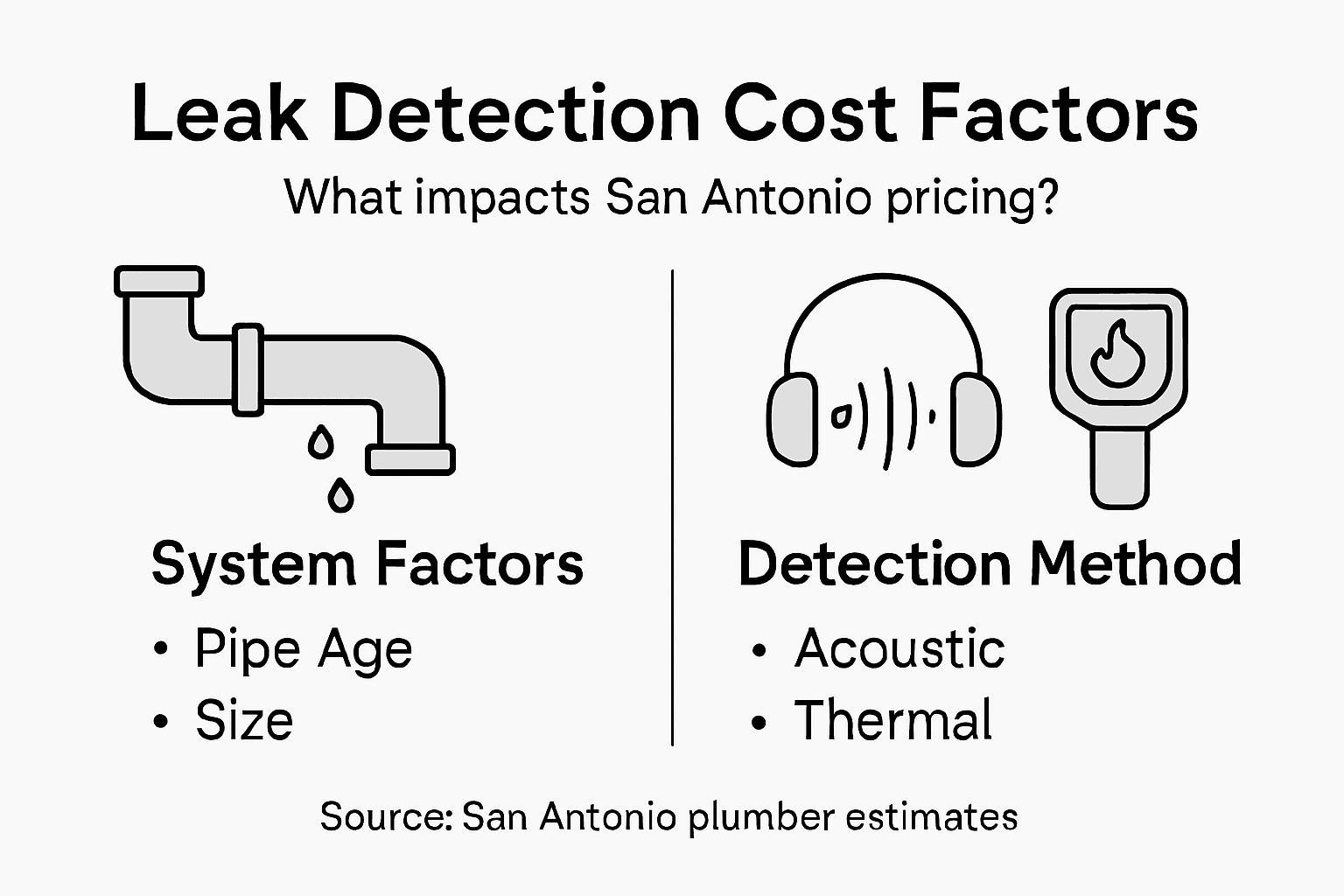
Your detection bill depends on several factors specific to your situation. A small, easily accessible leak costs less to find than a hidden slab leak beneath your foundation.
Factors affecting your cost:
- Leak location (accessible vs. hidden)
- Detection method needed (acoustic, thermal, or visual)
- Size of the area requiring inspection
- Complexity of your plumbing layout
- Whether the leak is active or has already caused damage
- Time required for thorough investigation
According to leak detection and repair guidance, identifying leaks promptly prevents substantial water waste and associated costs. The sooner you detect the problem, the less additional damage occurs.
The Connection to Repair Costs
Detection cost is just the beginning. Once plumbers find your leak, they’ll estimate the repair costs to fix the damage. A small pinhole leak costs $200 to repair. A slab leak might run $3,000 to $25,000 depending on severity.
This is why catching leaks early matters financially. Detection costs $200 today, but ignoring signs could mean paying thousands next month.
Think of it like a medical checkup. The doctor visit costs money, but it prevents more expensive treatment down the road.
Pro tip: Get detection done immediately if you notice higher water bills or water stains, as waiting typically increases both detection difficulty and final repair expenses.
Types of Leak Detection Methods
Plumbers in San Antonio use several different methods to find leaks, and each has its own cost and effectiveness. The method your plumber chooses depends on where they suspect the leak is located and how deep it is in your plumbing system.
Think of it like a doctor diagnosing an illness. A simple case requires basic tools, but a complex case needs advanced equipment. The same applies to leak detection.
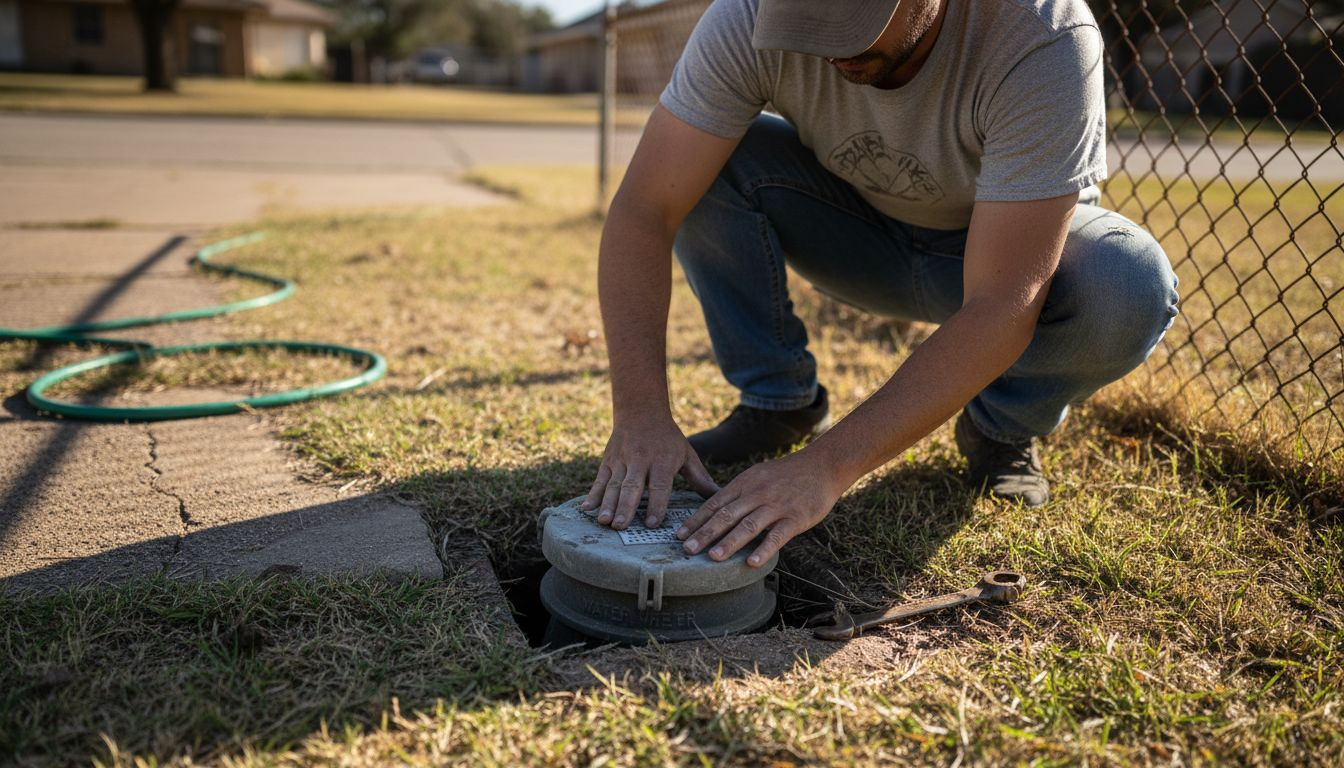
Visual Inspection and Water Meter Testing
The simplest detection method is looking around and checking your water meter. Your plumber walks your property, examines exposed pipes, and checks for obvious signs of water damage or pooling.
Water meter testing works like this:
- Turn off all water inside your home
- Record the meter reading
- Wait 30 minutes without using water
- Check if the meter moved
- If it moved, you have a leak
This method costs $75 to $150 and catches most obvious leaks. It’s the starting point for every leak investigation.
Acoustic Detection Technology
Acoustic sensors listen for the sound of water escaping from pipes. Leaking water makes a distinct hissing or rushing sound that these sensitive microphones can pick up. Your plumber holds the sensor against pipes or ground and listens for the leak’s location.
According to practical detection techniques for water systems, monitoring and proper identification methods significantly reduce water loss and associated costs.
Acoustic detection costs $200 to $350 and works best for leaks in accessible pipes or close to the surface.
Thermal Imaging Cameras
Thermal imaging detects temperature changes caused by leaking water. Escaping water creates cooler or warmer spots depending on the situation. The camera shows these temperature differences as a colored image, revealing exactly where water is leaking.
This method excels at finding leaks behind walls or under concrete slabs.
Thermal imaging costs $250 to $400 because the equipment is expensive and requires trained technicians.
Ground Penetrating Radar
GPR technology uses radio waves to see underground pipes and detect leaks beneath concrete slabs. It creates an image of what’s happening below the surface without digging.
Ground penetrating radar:
- Identifies pipe location and depth
- Detects water pooling around pipes
- Shows slab damage or deterioration
- Costs $300 to $500 for residential use
This is the most expensive detection method but necessary for slab leaks.
Dye Testing and Smoke Testing
Dye testing involves adding colored water to your drains to track where leaks exit your property. Smoke testing uses harmless smoke to reveal cracks and gaps in drain lines.
These methods are effective for drainage leaks and cost $150 to $250.
To help you compare methods, here’s a side-by-side breakdown of leak detection technologies and their applications:
| Detection Method | Best Use | Price Range | Typical Equipment Requirement |
|---|---|---|---|
| Visual inspection | Obvious surface leaks | $75–$150 | Basic tools |
| Acoustic detection | Accessible pipe leaks | $200–$350 | Specialized sensors |
| Thermal imaging | Walls/slab leaks | $250–$400 | Advanced camera |
| Ground penetrating radar | Underground/slab leaks | $300–$500 | Professional GPR device |
| Dye/smoke testing | Drainage leak tracing | $150–$250 | Dye or smoke generator |
The detection method you need depends on leak location, accessibility, and severity. Your plumber recommends the best approach after initial inspection.
Pro tip: Ask your plumber which detection method they recommend before they start, and request a cost estimate for that specific method to avoid surprise charges.
How Leak Detection Pricing Works
Leak detection pricing in San Antonio follows a fairly straightforward formula. You pay for the technician’s time, the equipment they use, and the complexity of finding your leak. Understanding how this works helps you avoid sticker shock when the bill arrives.
Think of it like paying for any professional service. A simple job costs less than a complicated one. The same applies to leak detection.
The Basic Pricing Structure
Most plumbers charge in one of three ways: flat fees, hourly rates, or service call charges plus additional costs.
Flat fee pricing means you pay one set price regardless of how long the work takes. A basic leak detection might cost $200 flat.
Hourly rates charge you for each hour the technician spends on your property. San Antonio plumbers typically charge $100 to $150 per hour for leak detection work.
Service call fees range from $50 to $100 just to come out and assess your situation. Then detection work costs extra on top.
What Affects Your Final Price
Your actual bill depends on several variables that plumbers evaluate before providing an estimate.
Factors that increase detection costs:
- Leak located under concrete slabs or foundation
- Multiple potential leak locations requiring extensive testing
- Need for advanced equipment like thermal imaging or ground penetrating radar
- Hard-to-access pipes in walls or underground
- Large properties requiring extensive inspection
- Evidence of old or deteriorating pipes
According to cost accounting standards for service pricing, consistent measurement and allocation of service costs ensures transparency and fairness in how companies structure their pricing for customers.
Equipment Costs Built Into Your Bill
When a plumber uses specialized equipment, that cost gets passed to you. Basic tools like a water meter test cost nothing extra. Advanced tools cost more.
Equipment cost breakdown:
- Acoustic sensors: minimal added cost
- Thermal imaging cameras: adds $75 to $150
- Ground penetrating radar: adds $150 to $300
- Specialized leak location equipment: adds $50 to $100
Advanced detection methods cost more upfront but save money by pinpointing leaks faster and preventing unnecessary repairs.
Your plumber should explain which equipment they’re using and why before they start the work.
Comparing Quotes from Different Plumbers
When you call for estimates, ask each plumber exactly what’s included in their price. Does the quote cover the inspection, equipment, and a written report? Does it include a recommendation for repair?
A cheap quote that doesn’t include proper documentation might leave you with incomplete information about your leak’s location.
Always request quotes that include access to your property, detailed inspection, equipment use, and written findings with photos or diagrams showing leak location.
Getting Help with Affordable Plumbing Services
Stultz Plumbing provides transparent pricing with no hidden fees. We explain exactly what you’re paying for before work begins. Our leak detection includes complete inspection, proper documentation, and clear recommendations.
Pro tip: Request an itemized estimate before work starts that breaks down the service call fee, equipment costs, and labor time separately so you understand exactly what you’re paying for.
Main Factors That Influence Costs
Several specific factors determine whether your leak detection bill will be $150 or $500. Understanding these factors helps you anticipate costs and ask the right questions when calling for quotes.
Your situation is unique, and plumbers account for that when pricing your service.
Leak Location and Accessibility
Where your leak is located makes the biggest difference in detection cost. A leak in an exposed basement pipe costs far less to find than one hidden under your concrete slab foundation.
Leak location categories:
- Visible pipes in basement or crawl space: $100 to $200
- Pipes inside walls: $200 to $350
- Underground pipes: $250 to $400
- Under concrete slab foundation: $300 to $500
- Multiple potential locations: add $100 to $200
Accessibility matters because your plumber spends more time and uses more advanced equipment when the leak is hard to reach.
Pipe Age and Material Type
Older pipes are more likely to leak in multiple places, which complicates detection. Older homes in San Antonio built before 1970 often have galvanized steel pipes that corrode from the inside, creating multiple small leaks that are harder to locate.
Newer homes with PVC or copper pipes typically have fewer leak points and cost less to diagnose.
According to technical factors affecting leak detection costs, pipe material, age, and environmental sensitivity all contribute to the complexity and expense of detection work.
Pipe deterioration assessment costs extra because your plumber needs to evaluate whether your entire system is at risk.
Here’s a summary of factors influencing final detection costs for San Antonio homeowners:
| Cost Factor | Example Impact | Effect on Price |
|---|---|---|
| Leak location | Under slab vs. exposed | Under slab costs more |
| Pipe material/age | Steel vs. PVC or copper | Older pipes cost extra |
| Property size | Small vs. large home | Large property costs more |
| Technology used | Basic vs. advanced tools | Advanced raises total |
| Damage assessment | Water stains, mold | Adds expert review cost |
Property Size and Complexity
Larger homes with more extensive plumbing systems cost more to inspect thoroughly. A small townhouse inspection takes 1 to 2 hours. A large 4-bedroom house with multiple bathrooms might take 3 to 4 hours.
Complex systems with multiple water lines, irrigation systems, or pool plumbing require extended inspection time.
Detection Technology Required
The method your plumber recommends directly impacts cost. Basic water meter testing costs minimally. Advanced equipment like thermal imaging or ground penetrating radar adds significantly to your bill.
Technology cost factors:
- Simple visual inspection: no additional equipment cost
- Acoustic detection: minimal added expense
- Thermal imaging: adds $100 to $200
- Ground penetrating radar: adds $200 to $300
- Multiple methods needed: costs compound
Early detection using any method saves money compared to waiting for major damage to develop.
Your plumber should recommend the most cost-effective method first and only suggest advanced equipment if initial testing doesn’t locate the leak.
Water Damage and Risk Level
If your leak is causing visible damage to walls, ceilings, or foundations, your plumber needs to assess the extent of harm. This evaluation takes additional time and expertise, increasing your detection cost.
Signs that require extended assessment:
- Active water stains on multiple surfaces
- Visible mold or mildew growth
- Soft spots in flooring or walls
- Foundation cracks with water seeping through
- Pooling water in your yard
Pro tip: Document all visible water damage with photos before calling a plumber, as this helps them estimate detection costs more accurately and often qualifies you for insurance claims.
Ways to Save on Leak Detection
You don’t always need to pay full price for professional leak detection. Several strategies can reduce your costs without sacrificing accuracy or professional expertise.
Being proactive about finding leaks early is the best way to minimize total expenses.
Perform Your Own Initial Investigation
Before calling a plumber, do some detective work yourself. Check your water meter, look for obvious signs of water damage, and inspect visible pipes. This groundwork costs nothing and often reveals the leak location.
Simple checks you can do:
- Read your water meter and wait 2 hours without using water
- Check if the meter moved
- Look for wet spots in your yard
- Inspect basement pipes for visible moisture or corrosion
- Feel pipes for cold spots or unusual moisture
- Check under sinks and near water heater
According to early leak detection strategies, routine inspections and identifying leaks early using low-cost methods significantly reduce overall water loss and detection expenses.
If you find anything suspicious, document it with photos before calling your plumber.
Request Water Meter Testing First
Water meter testing is the cheapest detection method available. Ask your plumber to start with this technique before suggesting expensive equipment.
This simple test costs $75 to $150 and catches many leaks. Only if the meter test doesn’t pinpoint the leak should you agree to advanced methods.
Schedule Detection During Off-Peak Hours
Many plumbers charge less for service calls scheduled during off-peak times. Monday through Thursday afternoons typically cost less than emergency Saturday calls.
Planning ahead and scheduling at convenient times for your plumber often results in lower rates.
Get Multiple Quotes
Never accept the first quote you receive. Call at least three plumbers and compare their prices and methods. One plumber might recommend an expensive ground penetrating radar scan while another suggests starting with acoustic detection.
Different approaches can save you hundreds of dollars.
Combine Detection with Repair Estimates
Some plumbers reduce detection costs if you agree to hire them for repairs. Negotiating a package deal sometimes saves 15 to 25 percent on the total bill.
Ask specifically about package pricing before work begins.
Address Leaks Quickly to Avoid Escalation
The faster you detect and repair leaks, the less damage occurs. Water damage repair costs far more than detection. One day of a hidden leak can cause hundreds of dollars in additional damage.
Detection today prevents expensive repairs tomorrow. This is the ultimate money-saving strategy.
Use DIY Resources for Minor Issues
You can find practical maintenance tips and professional guidance online that help you assess whether you truly need professional detection or if you can handle minor leaks yourself.
Faucet leaks and obvious toilet leaks don’t always require professional detection.
Early detection costs less than water damage repair, making any detection investment worthwhile.
Pro tip: Call during business hours on weekdays, describe what you’ve already observed, and ask which detection method your plumber recommends first to manage costs effectively.
Protect Your Home With Expert Leak Detection and Transparent Pricing
Water leak detection can feel overwhelming when you face hidden leaks or rising costs that spiral out of control. If you have noticed unusual water bills or suspect damage behind walls or under your foundation, understanding detection methods like acoustic sensing or thermal imaging is key to preventing expensive repairs later. At Stultz Plumbing, we know the frustration of navigating complex plumbing challenges in San Antonio. Our team uses advanced leak detection technologies combined with clear, upfront pricing so you never face surprise charges.
Don’t wait until small leaks cause costly water damage. Experience professional service tailored to your needs and budget. Whether you require a simple water meter test or sophisticated ground penetrating radar scans, Stultz Plumbing delivers reliable results and expert advice. Start with a thorough Plumbing Services San Antonio TX inspection that lays the groundwork for prompt repairs and peace of mind. Contact us today to schedule your leak detection and protect your home before hidden leaks worsen.
Frequently Asked Questions
What is the average cost of water leak detection?
The cost of water leak detection can range from $150 to $400, depending on the complexity of the leak and the detection method used.
What factors influence the cost of leak detection?
Factors that influence leak detection costs include the leak’s location, the type of detection method required, the size of the area being inspected, and the complexity of your plumbing system.
What are the different methods used for leak detection?
Common methods include visual inspection, water meter testing, acoustic detection, thermal imaging, ground penetrating radar, and dye/smoke testing. Each method has varying costs and effectiveness depending on the leak’s location.
How can I save on leak detection costs?
You can save on costs by performing your own initial investigation, scheduling detection during off-peak hours, requesting multiple quotes, and combining detection with repair estimates.
Recommended
- Water Leak Repair Cost: Budgeting for San Antonio Homes
- Get Affordable Plumbing Services In San Antonio
- Slab Leak Detection and Repair | Stultz Plumbing
- Water Heater Services in San Antonio TX
Jean runs growth strategy at AimSetWin, a performance marketing agency specializing in local service businesses across Texas. he's helped plumbers, HVAC companies, pest control operators, and home service brands build predictable revenue systems using data-driven advertising and conversion optimization.


