

Learn the top water heater maintenance tips for San Antonio homes. Flush sediment, spot warning signs, and extend your unit's lifespan with these practical steps.
TL;DR:
- Regular maintenance like flushing and inspecting the anode rod extends water heater lifespan in San Antonio.
- San Antonio’s hard water accelerates sediment buildup, requiring more frequent flushing and possible water softening.
- Early signs of issues include noisy operation, rusty water, and inconsistent hot water, emphasizing the need for regular checks.
Your water heater works hard every single day, and most San Antonio homeowners never think about it until something goes wrong. A cold shower on a winter morning or a utility bill that’s suddenly $40 higher than last month are both signs that your unit may be struggling. San Antonio’s notoriously hard water accelerates sediment buildup inside your tank, quietly reducing efficiency and shortening your heater’s life. The good news is that a few targeted maintenance habits can keep your system running strong for years. This guide walks you through exactly what to do, how often to do it, and when to call in a professional.
Table of Contents
- Essential water heater maintenance tasks every homeowner should know
- How to flush your water heater: Step-by-step guide
- Spotting problems: Signs your water heater needs attention
- Comparing professional vs DIY maintenance: What’s best for your water heater?
- Why water heater maintenance in San Antonio is different and what most homeowners overlook
- Protect your investment with expert water heater care
- Frequently asked questions
Key Takeaways
| Point | Details |
|---|---|
| Annual flushing is vital | Flushing your water heater each year fights sediment buildup, saving energy and preventing damage. |
| Watch for warning signs | Strange noises and rusty water are early signals your heater needs maintenance or repair. |
| DIY has limits | Homeowners can handle basic checks, but pro inspections catch hidden issues and keep warranties valid. |
| San Antonio’s water matters | Hard water increases the need for regular maintenance in San Antonio compared to other regions. |
| Pro tips go a long way | Little steps, like setting yearly reminders and checking the anode rod, can boost heater performance and longevity. |
Essential water heater maintenance tasks every homeowner should know
With the importance set, let’s get into the maintenance tasks that have the most impact on your water heater’s health. These aren’t complicated procedures, but they do require consistency. Regular inspection and maintenance can extend water heater lifespan significantly, and the DOE maintenance guidelines back this up with clear recommendations for homeowners.
Here are the five core tasks every San Antonio homeowner should be doing:
- Check the temperature setting. Your water heater should be set to 120°F. Higher settings waste energy and increase the risk of scalding. Check this setting once a year.
- Flush sediment from the tank. San Antonio’s hard water leaves mineral deposits at the bottom of your tank. Flushing removes this buildup and restores heating efficiency. This should be done at least once a year, and the water heater flushing frequency may need to increase if your water is especially hard.
- Inspect the anode rod. The anode rod is a metal rod inside your tank that attracts corrosive minerals, protecting the tank lining. Check it every two to three years and replace it when it’s heavily corroded or less than half an inch thick.
- Clear the area around the unit. Combustion water heaters need at least 18 inches of clearance on all sides. Clutter around the unit is a fire hazard and also makes it harder to spot leaks.
- Test the pressure relief valve. This safety valve releases pressure if the tank overheats. Lift the lever briefly once a year to confirm it opens and closes properly. If water keeps dripping afterward, it needs replacing.
“In our experience serving San Antonio homeowners, the single most overlooked task is anode rod inspection. Most people flush their tank but never check the rod, and by the time they notice rust in their water, the tank lining is already compromised.” — Stultz Plumbing
Pro Tip: Set a calendar reminder every October to run through this checklist. It takes less than an hour and can add years to your unit’s life.
Annual tasks include flushing, temperature checks, pressure valve testing, and area clearance. Anode rod inspection is a semi-annual or every-other-year task. Staying on schedule is the simplest way to protect your investment.
How to flush your water heater: Step-by-step guide
Among all maintenance tasks, sediment flushing is one of the most impactful for San Antonio homeowners. Here’s how to do it right.
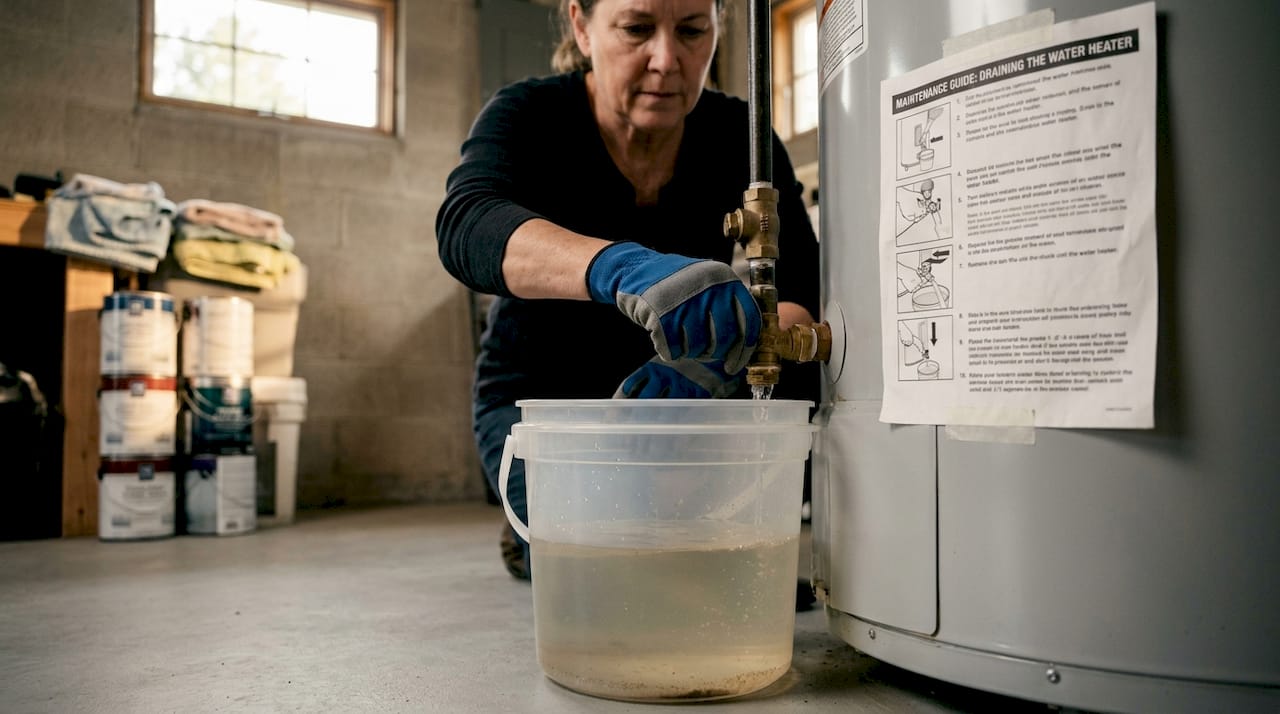
San Antonio’s water supply carries high mineral content, particularly calcium and magnesium. These minerals settle at the bottom of your tank as sediment, creating a layer that forces your heating element to work harder. Flushing your water heater regularly reduces sediment buildup and keeps your unit running efficiently. The Family Handyman flush guide offers a solid visual reference if you want additional support.
Follow these steps to flush your tank safely:
- Shut off the power or gas. For electric heaters, switch off the breaker. For gas heaters, turn the thermostat to the “pilot” setting. Never drain a tank that’s still actively heating.
- Connect a garden hose to the drain valve. The drain valve is near the bottom of the tank. Run the hose to a floor drain, bucket, or outside. The water will be hot, so take care.
- Open a hot water faucet inside the house. This prevents a vacuum from forming and helps the tank drain faster.
- Open the drain valve and let the tank empty. Watch the water color. Cloudy or brownish water means significant sediment is present.
- Flush with cold water. Once drained, briefly turn on the cold water supply to stir up remaining sediment and flush it out. Repeat until the water runs clear.
- Close the valve, refill the tank, and restore power. Wait until the tank is fully refilled before turning the heater back on to avoid damaging the heating element.
Pro Tip: Use a clear bucket to catch the first few gallons. The color tells you a lot. Dark, gritty water means you should be flushing more often. Nearly clear water means your schedule is working.
Signs you may need flushing sooner than scheduled include rumbling or popping sounds during heating, longer wait times for hot water, and visible discoloration from your hot taps. Staying on top of flushing also helps with preventing leaks caused by corrosion at the tank base.
Spotting problems: Signs your water heater needs attention
Proper maintenance helps avoid breakdowns, but sometimes issues still arise. Here’s what to watch for so you can act before problems get bigger.
Water heaters rarely fail without warning. They send signals for weeks or even months before a breakdown. Catching those signals early is the difference between a $150 service call and a $1,200 emergency replacement. Loud noises and rusty water are warning signs of water heater issues that should never be ignored.
Watch for these symptoms:
- Inconsistent hot water. If your shower goes cold mid-use or the water never gets as hot as it used to, your heating element or thermostat may be failing.
- Rumbling or popping sounds. This is sediment being heated and cracking inside the tank. It means buildup is serious and flushing is overdue.
- Rusty or discolored water. Orange or brown water from hot taps points to internal corrosion. This is a sign your anode rod has failed and the tank itself is rusting.
- Visible leaks or moisture. Any water pooling around the base of your unit needs immediate attention. Small drips can become major floods quickly.
- Sulfur or rotten egg smell. This odor usually comes from bacteria reacting with a failing anode rod. It’s fixable but requires prompt action.
- Rising energy bills without explanation. A heater working harder than it should due to sediment or a failing element will show up on your utility bill.
According to industry data, up to 75% of water heater failures could be delayed or avoided with earlier detection and routine care. If you’re noticing more than one of these symptoms at once, review our signs needing repair resource and our repair or replace guide to figure out your best next step.
Comparing professional vs DIY maintenance: What’s best for your water heater?
Recognizing issues early is vital, but who should handle ongoing maintenance? Let’s break down your options.
Many homeowners can handle basic water heater maintenance on their own. But there are limits to what DIY can catch, and professional maintenance may uncover problems DIY checks can miss. The HomeTips maintenance advice resource is a good reference for understanding what’s realistic for the average homeowner.
| Factor | DIY maintenance | Professional maintenance |
|---|---|---|
| Cost | Low (your time only) | $80 to $150 per visit |
| Time required | 1 to 2 hours | 30 to 60 minutes |
| Expertise needed | Basic mechanical comfort | Licensed plumber |
| Risk level | Moderate if unfamiliar | Low, insured work |
| What gets checked | Visible, accessible parts | Full system inspection |
Tasks suitable for DIY:
- Flushing the tank
- Checking temperature settings
- Clearing the area around the unit
- Visually inspecting for leaks
- Testing the pressure relief valve
Tasks best left to a licensed plumber:
- Replacing the anode rod (requires proper tools and torque)
- Inspecting gas connections and burner assembly
- Diagnosing electrical faults in the heating element
- Evaluating whether the unit should be repaired or replaced
- Checking for code compliance on older installations
Schedule a professional inspection at least once a year, ideally before winter when demand on your heater increases. A licensed plumber can assess extending heater lifespan strategies that go beyond what a checklist covers, including evaluating whether your unit’s efficiency is declining faster than expected.
Why water heater maintenance in San Antonio is different and what most homeowners overlook
We’ve covered the standard playbook. But here’s what most national guides miss entirely: San Antonio is not a typical market for water heater wear.
The city’s water hardness regularly measures above 200 parts per million, which is considered very hard by EPA standards. That means sediment accumulates faster here than in most U.S. cities. A maintenance schedule designed for soft-water regions simply isn’t aggressive enough for San Antonio homes. We see this constantly when we inspect units that homeowners believed were well maintained.
Seasonal swings also matter more than people realize. San Antonio summers push indoor temperatures high, which affects how hard your heater works to maintain set temperatures. Then a sudden cold snap in January forces the unit to compensate quickly. These thermal cycles stress the tank and connections over time.
Most homeowners we talk to have never considered a water softener as part of their water heater strategy. But if you’re dealing with persistent sediment issues, check out local repair signs specific to San Antonio conditions. A water softener can dramatically slow mineral buildup and reduce how often you need to flush.
Pro Tip: If you’ve flushed your tank twice in one year and still see heavy sediment, it’s time to evaluate a water softener installation. It’s not just about taste. It’s about protecting every water-using appliance in your home.
Protect your investment with expert water heater care
You now have a clear picture of what your water heater needs to stay efficient and last as long as possible. Consistent maintenance protects your home from unexpected failures, keeps your energy bills in check, and gives you peace of mind. But knowing what to do and having the right hands to do it are two different things.
Our team at Stultz Plumbing specializes in water heater services for San Antonio homeowners, from routine annual inspections to full replacements. If you’re unsure whether your unit needs a repair or a full swap, our repair vs replace guide walks you through the decision with local context. Don’t wait for a cold shower to take action. Schedule your inspection today.
Frequently asked questions
How often should I flush my water heater in San Antonio?
Annual flushing is recommended in hard water regions like San Antonio, and some homes with especially hard water may benefit from flushing twice a year. Check the sediment color when you drain to decide if you need to increase frequency.
What are the warning signs that my water heater needs maintenance?
Loud noises and rusty water indicate issues needing attention, along with inconsistent hot water, visible leaks, and unexplained spikes in your energy bill. Catching these early almost always means a cheaper fix.
Can I do water heater maintenance myself or should I hire a pro?
You can handle basic tasks like flushing, temperature checks, and visual inspections, but professional maintenance catches issues DIY checks may miss, especially with gas connections and internal components. Annual professional inspections are strongly recommended.
Does San Antonio’s water affect my heater maintenance schedule?
Yes, hard water in San Antonio causes faster sediment buildup than in most U.S. regions, which means you should flush more often and inspect your anode rod on a tighter schedule than national guides suggest.
How long should a water heater last with proper maintenance?
With routine maintenance, most water heaters last 8 to 12 years, but San Antonio’s hard water can shorten that window if sediment and corrosion go unchecked. Consistent care is the most reliable way to get full value from your unit.
Recommended
- Water Heater Services in San Antonio TX
- Home plumbing maintenance guide for San Antonio 2026
- Top factors in water heater repair for San Antonio homes
- Water heater troubleshooting guide San Antonio 2026
Jean runs growth strategy at AimSetWin, a performance marketing agency specializing in local service businesses across Texas. he's helped plumbers, HVAC companies, pest control operators, and home service brands build predictable revenue systems using data-driven advertising and conversion optimization.


