

Learn proven DIY methods to unclog your shower drain in San Antonio. Step-by-step guide covering hair removal, natural solutions, and when to call a plumber for tough clogs.
You step into the shower, turn on the water, and within seconds you’re standing in a puddle that refuses to drain. Hair, soap scum, and San Antonio’s notoriously hard water minerals create stubborn clogs that slow your morning routine and threaten your plumbing system. Most homeowners face this frustration regularly, but the good news is you don’t need expensive plumber visits to fix it. With basic household items and the right techniques, you can restore fast drainage and prevent future blockages in your San Antonio home.
Table of Contents
- Why shower drains get clogged in San Antonio
- What you need before you start unclogging
- Proven DIY methods to unclog your shower drain
- Checking your results and preventing future clogs
- When to call a plumber for shower drain clogs
- Get expert help for tough shower drain clogs
- Frequently asked questions
Key Takeaways
| Point | Details |
|---|---|
| Identify San Antonio-specific causes | Hair, soap scum, and mineral-heavy hard water cause most shower drain clogs in the area. |
| DIY unclogging is effective | Manual methods like hair removal and safe natural solutions solve most clogs affordably. |
| Proper tools make a difference | Having gloves, a drain snake, and basic household ingredients boosts your success rate. |
| Regular prevention is key | Simple monthly checks and installing a hair catcher or softener prevent future clogs. |
| Know when to call a pro | Persistent or complex clogs need prompt professional help to avoid pipe damage. |
Why shower drains get clogged in San Antonio
Shower drain clogs don’t happen by accident. They’re the result of several factors working together to create blockages that worsen over time. Understanding what causes these clogs helps you tackle them effectively and prevent recurrence.
Hair is the primary culprit in most shower drains. Every time you wash your hair, loose strands flow down the drain and catch on rough edges inside the pipe. These strands don’t dissolve or break down naturally. Instead, they accumulate and form a net that traps other materials flowing through your drain.
Soap scum adds another layer to the problem. When soap mixes with the minerals in your water, it creates a sticky residue that clings to pipe walls and hair strands. Body oils from your skin contribute to this buildup, making the clog denser and harder to remove. In San Antonio, where water hardness reaches 15-20 grains per gallon, mineral scale accelerates this process significantly.
Our local water chemistry creates unique challenges that homeowners in other cities don’t face as severely. The high mineral content leaves calcium and magnesium deposits inside your pipes, narrowing the passage and creating rough surfaces where hair and soap can grab hold more easily. This is why San Antonio residents often experience recurring slow drains even after cleaning them.
| Clog Component | Impact Level | San Antonio Factor |
|---|---|---|
| Hair buildup | High | Standard |
| Soap scum | Medium | Elevated due to hard water |
| Body oils | Low | Standard |
| Mineral scale | High | 15-20 grains per gallon |
| Combined effect | Severe | Recurring clogs common |
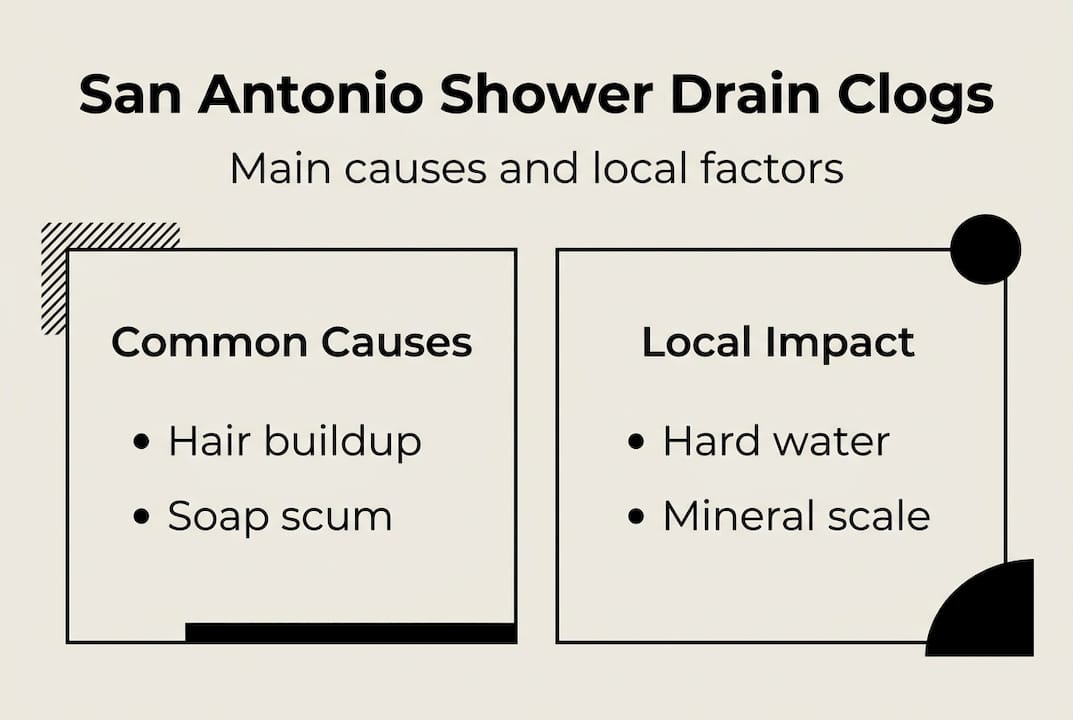
Many of the top plumbing problems in San Antonio stem from our mineral-rich water supply. Regular cleaning and maintenance can reduce these issues substantially, but addressing the root cause through water softener installation provides long-term protection for your entire plumbing system.
Pro Tip: If you notice white or gray buildup around your drain opening, that’s mineral scale. It’s a clear sign that hard water is contributing to your clog problems and affecting other fixtures throughout your home.
Now that you know the most common factors behind a blocked drain, let’s see what you’ll need to get started on fixing it.
What you need before you start unclogging
Gathering the right tools before you begin saves time and frustration. Most items you’ll need are already in your home, and the few you might need to purchase cost very little compared to a service call.
Start with basic protective gear and cleanup supplies:
- Rubber gloves to protect your hands from debris and bacteria
- Old towel or rags to catch water and debris
- Bucket or container for removing standing water
- Flashlight to see inside the drain opening
For the actual unclogging work, these tools cover most situations:
- Needle-nose pliers or tweezers for pulling out visible hair
- Plastic drain snake or zip-it tool for reaching deeper clogs
- Cup plunger (not a toilet plunger) for creating suction
- Screwdriver to remove drain covers if needed
Natural cleaning supplies work surprisingly well for many clogs:
- Baking soda (at least one cup)
- White vinegar (at least two cups)
- Hot water (not boiling, which can damage some pipes)
- Dish soap for breaking down oils
The manual extraction method using gloves and pliers effectively clears 90% of clogs without any special equipment. A simple zip-it tool, which costs about three dollars at any hardware store, reaches hair clogs that sit just beyond your fingers’ reach.
| Tool/Method | Effectiveness | Cost | Risk Level |
|---|---|---|---|
| Manual removal | High for hair | Free | None |
| Plastic snake | High for deep hair | $3-10 | None |
| Plunger | Medium for all types | $5-15 | None |
| Baking soda/vinegar | Medium for scum | $5 | None |
| Chemical cleaners | Low, damages pipes | $8-15 | High |
Avoid chemical drain cleaners. They’re marketed as quick fixes, but they rarely work as promised and can damage your pipes, especially older plumbing systems. The harsh chemicals eat away at pipe materials and create toxic fumes that linger in your bathroom. Natural methods and mechanical removal are safer and more effective.
Having hot water ready is essential for several methods. Run your tap until the water is as hot as it gets, or heat water on your stove to just below boiling. Hot water helps flush loosened debris and melts soap scum, but boiling water can crack porcelain or damage PVC pipes in some installations.
For more guidance on effective approaches, check out our DIY unclogging methods and our comprehensive guide to drain cleaning for San Antonio homes.
Once you’ve collected the right tools, you’re ready to start tackling the clog step-by-step.
Proven DIY methods to unclog your shower drain
These methods progress from simplest to more involved. Start with the first technique and move to the next only if needed. Most clogs clear with the first or second approach.
Method 1: Manual hair removal
- Remove the drain cover using a screwdriver if it’s secured with screws, or simply lift it if it’s a snap-in type
- Put on your rubber gloves and use a flashlight to look inside the drain opening
- Use your fingers, needle-nose pliers, or tweezers to pull out any visible hair and debris
- Wipe the drain cover clean of any buildup before replacing it
- Run hot water for 30 seconds to test drainage
This straightforward approach clears 90% of shower drain clogs because hair typically accumulates near the surface where it’s easily accessible. You’ll likely pull out a surprising amount of hair and soap residue.
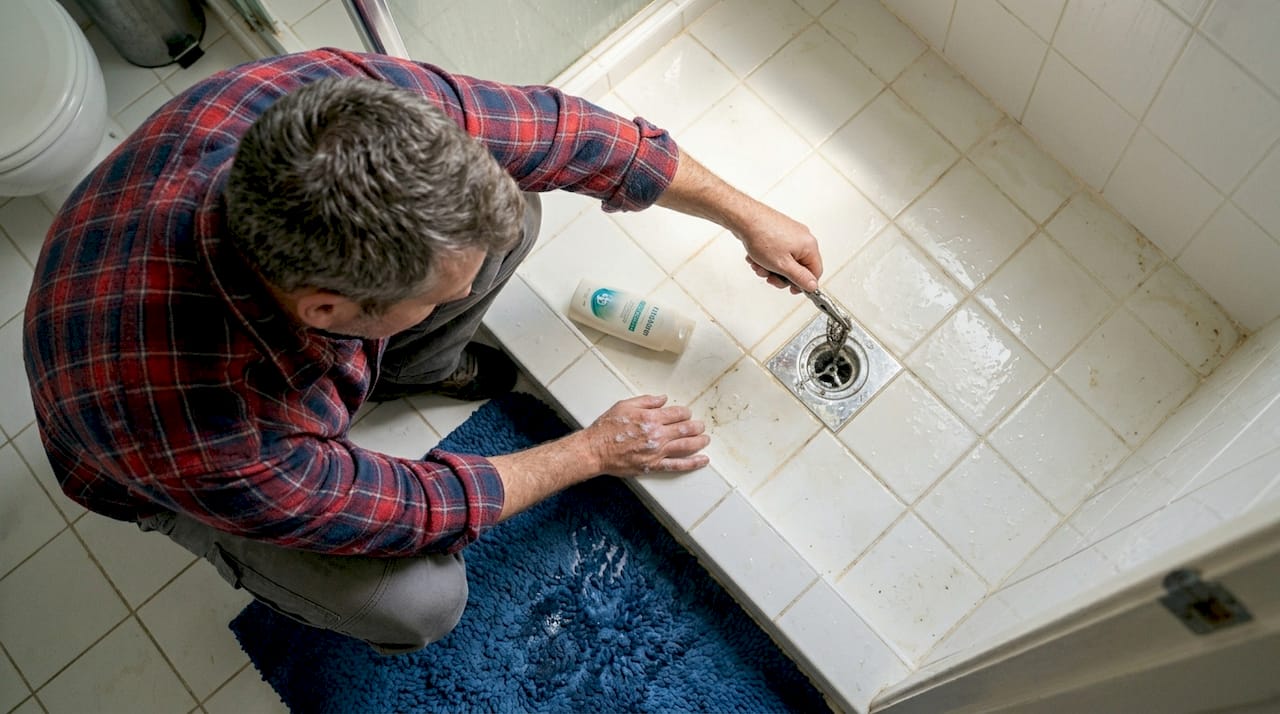
Pro Tip: Keep a small container near your shower to collect the hair you remove. This prevents it from accidentally falling back down the drain and makes cleanup easier.
Method 2: Plunger technique
- Remove standing water until only 1-2 inches remain in the shower base
- Cover the overflow opening with a wet rag if your shower has one
- Place your cup plunger directly over the drain opening, ensuring a tight seal
- Add enough water to cover the plunger cup for proper suction
- Push down firmly, then pull up sharply, repeating 15-20 times
- Remove the plunger and check if water drains quickly
The suction and pressure from plunging dislodges clogs that sit deeper in the pipe. This method works particularly well for clogs caused by soap scum and soft debris rather than tangled hair masses.
Method 3: Baking soda and vinegar fizz
- Remove any standing water from the shower base
- Pour 1/2 cup of baking soda directly into the drain opening
- Follow with 1 cup of white vinegar
- Cover the drain with a wet cloth to contain the fizzing reaction
- Let the mixture work for 15-30 minutes while the chemical reaction breaks down organic material
- Flush with hot water for 2-3 minutes
The fizzing action you see is a chemical reaction that breaks down soap scum and organic materials safely. This natural method works ideally for scum but not heavy hair, so it’s best used as a follow-up to manual removal or as regular maintenance.
Method 4: Plastic drain snake
- Insert the plastic snake or zip-it tool straight down into the drain opening
- Push it down as far as it will go, typically 12-18 inches
- Twist the tool as you pull it back up to hook onto hair and debris
- Clean off the tool and repeat 3-4 times until no more debris comes out
- Flush with hot water to clear any remaining particles
This tool reaches deeper blockages that manual removal can’t access. The barbed edges catch hair effectively, and you’ll often pull out long strands wrapped around soap scum and other materials. Understanding the different types of drain clogs helps you choose the right approach for your specific situation.
After trying these methods, it’s important to check your drain’s condition and take steps to prevent future blockages.
Checking your results and preventing future clogs
Once you’ve completed your unclogging efforts, proper testing confirms whether you’ve solved the problem completely. Turn on your shower at full pressure and watch how quickly the water drains. It should disappear almost immediately with no pooling or slow swirling.
If water still backs up or drains slowly, you haven’t fully cleared the blockage. Repeat the method you just used, or escalate to the next technique. Sometimes clogs require multiple approaches, especially when hair and mineral scale have built up over months.
Prevention is far easier than repeatedly unclogging your drain. These simple habits keep your shower draining freely:
- Install a hair catcher over your drain opening (costs $5-10 and catches hair before it enters pipes)
- Rinse your shower with hot water for 30 seconds after each use to flush soap residue
- Pour baking soda and vinegar down your drain monthly as preventive maintenance
- Brush your hair before showering to remove loose strands that would otherwise wash down the drain
- Clean the drain cover weekly to prevent buildup at the opening
| Prevention Method | Effort Required | Cost | Effectiveness |
|---|---|---|---|
| Hair catcher | Install once | $5-10 | Blocks 95% of hair |
| Weekly cover cleaning | 2 minutes | Free | Prevents surface buildup |
| Monthly natural flush | 5 minutes | $2/month | Reduces soap scum |
| Pre-shower brushing | 1 minute | Free | Reduces hair by 60% |
| Water softener | Professional install | $800-2500 | Eliminates mineral scale |
For San Antonio homeowners, addressing hard water at its source provides the most significant long-term benefit. Our hard water drain prevention tips explain how mineral buildup affects your entire plumbing system and what you can do about it.
Pro Tip: If you notice your drain slowing down again within a few weeks, hard water mineral scale is likely the underlying cause. A water softener eliminates this problem permanently and protects all your fixtures and appliances.
Recognize when DIY methods have reached their limit. Mechanical removal outperforms chemical solutions for hair clogs, but some blockages sit too deep in your plumbing system for household tools to reach. If you’ve tried all these methods without success, the clog may be in your main drain line rather than just the shower trap.
Even with the best efforts, some clogs may persist or recur. Here’s what to know about when to seek expert help.
When to call a plumber for shower drain clogs
Knowing when to stop DIY attempts and contact a professional protects your plumbing system from damage and saves you time and frustration. Certain warning signs indicate a problem beyond what household tools can fix.
Call a plumber immediately if you notice these red flags:
- Water backs up in other drains when you run your shower (indicates a main line blockage)
- Foul sewage odors coming from your drain that don’t clear after cleaning
- Standing water that remains for more than 24 hours despite your best efforts
- Gurgling sounds from other fixtures when water drains from your shower
- Multiple drains in your home are slow or backing up simultaneously
- You’ve tried all DIY methods multiple times without improvement
These symptoms suggest the blockage sits deep in your plumbing system, possibly in the main sewer line or at a junction where multiple drains connect. Household tools can’t reach these areas safely, and forcing the issue risks damaging your pipes.
Using excessive force or harsh chemicals creates more problems than it solves. Chemical drain cleaners promise quick results but rarely deliver, especially for the hair and mineral clogs common in San Antonio. These products can corrode pipes, create toxic fumes, and make the situation worse by hardening the clog into a solid mass.
Professional plumbers have specialized equipment that homeowners don’t: motorized drain augers that reach 50-100 feet into your plumbing system, high-pressure water jetting equipment that blasts away mineral scale, and camera inspection tools that identify exactly where and what the blockage is.
Recurring clogs signal an underlying issue that DIY methods can’t address. If you’re unclogging your shower drain every few weeks, mechanical methods may not be reaching the root cause. The problem might be mineral buildup throughout your pipes, a damaged pipe that catches debris, or improper drain slope that prevents water from flowing correctly.
Safe escalation preserves your home’s plumbing system and your investment. Attempting to force a stubborn clog with makeshift tools or excessive chemical use can crack pipes, damage seals, and create leaks that require expensive repairs. Professional drain unclogging services cost far less than repairing damaged plumbing.
Now you’re equipped to tackle most minor and moderate clogs, but also know when expert help is needed.
Get expert help for tough shower drain clogs
Some clogs simply won’t respond to DIY methods, no matter how carefully you follow the steps. When you’ve hit that wall, professional help gets your shower working again quickly and identifies any underlying issues that could cause future problems.
We understand San Antonio’s unique plumbing challenges. Our mineral-heavy water creates stubborn clogs that require specialized tools and techniques to clear completely. At Stultz Plumbing, we’ve cleared thousands of drains throughout San Antonio and surrounding communities, and we know exactly how to handle the combination of hair, soap scum, and mineral scale that plagues local showers.
Our plumbing services include advanced drain cleaning services using professional-grade equipment that reaches deep into your plumbing system. We use camera inspection to pinpoint the exact location and nature of your clog, then clear it with the most effective method for your specific situation.
For homeowners dealing with recurring clogs, we also offer water softener installation that addresses the root cause of mineral buildup. This investment protects your entire plumbing system, extends the life of your water heater and appliances, and eliminates the frustration of constantly battling slow drains.
We’re available when you need us, with transparent pricing and rapid response times. Whether you’re dealing with a stubborn clog right now or want to prevent future problems with a water softener, our team is ready to help. Contact us for a free estimate and experience the difference that local expertise makes.
Frequently asked questions
What causes shower drains to clog the most in San Antonio?
Hair, soap scum, and mineral buildup from hard water are the main culprits for clogs in San Antonio. Our local water contains 15-20 grains per gallon of hardness minerals that accelerate blockages.
How often should I clean my shower drain?
Monthly cleaning reduces the risk of major clogs and keeps your shower draining quickly. Weekly removal of visible hair from the drain cover provides additional protection.
Are chemical drain cleaners safe for my plumbing?
Chemical drain cleaners can damage pipes and are less effective than mechanical methods for hair and scum clogs. Natural solutions like baking soda and vinegar work better without the risk of pipe corrosion.
What signs indicate I should call a plumber?
You should call a plumber if the clog persists after DIY attempts, water backs up in multiple drains, or you smell foul odors. Gurgling sounds from other fixtures also signal a main line problem requiring professional equipment.
Can hard water be prevented from causing clogs?
Installing a water softener greatly reduces mineral buildup that worsens blockages, helping prevent future drain clogs. This protects your entire plumbing system and all water-using appliances in your home.
Recommended
- Guide to Clogged Toilet and Drain Cleaning | Stultz Plumbing
- Effective drain cleaning tips to prevent clogs
- How to install a sink drain pipe: DIY guide for homeowners
- Drain Cleaning Services In San Antonio | Get Estimate Today
Jean runs growth strategy at AimSetWin, a performance marketing agency specializing in local service businesses across Texas. he's helped plumbers, HVAC companies, pest control operators, and home service brands build predictable revenue systems using data-driven advertising and conversion optimization.


