

Discover why schedule plumbing inspection is crucial for San Antonio homeowners! Protect your home and save money with routine checks.
TL;DR:
- Scheduling annual plumbing inspections helps San Antonio homeowners detect hidden issues early and save money on costly repairs.
- Regular inspections protect property value, improve water efficiency, and ensure system safety by catching problems before they escalate.
A plumbing inspection is a professional evaluation of your home’s entire plumbing system, designed to catch hidden problems before they turn into expensive disasters. Most San Antonio homeowners only call a plumber when something breaks. That reactive approach costs far more than a routine checkup ever would. The importance of plumbing inspection goes beyond fixing leaks. It protects your home’s structure, your water quality, and your wallet. If you have never scheduled a professional plumbing review, or if it has been more than a year since your last one, this guide tells you exactly what you need to know and why it matters right now.
Why schedule plumbing inspection to save money
The single strongest reason to schedule a plumbing inspection is financial. Proactive inspections lead to significant savings compared to reactive emergency fixes, including home restoration costs after water damage. That gap between inspection cost and emergency repair cost is the core financial argument every homeowner needs to understand.
A slow leak behind a wall can go undetected for months. By the time you notice water stains or warped flooring, mold has already started growing and drywall needs replacing. A licensed plumber with the right tools catches that leak in its earliest stage, when the fix costs a fraction of what full remediation would run.
Here is what regular inspections protect you from financially:
- Emergency service call fees, which are significantly higher than scheduled visits
- Water damage restoration, including drywall, flooring, and insulation replacement
- Mold remediation, which can cost thousands of dollars depending on the affected area
- Skyrocketing utility bills caused by undetected leaks running water continuously
- Pipe burst repairs, especially in older San Antonio homes with aging galvanized or polybutylene lines
Water efficiency is another direct benefit. A dripping faucet or a running toilet wastes thousands of gallons per year. A plumber identifies these inefficiencies during inspection and fixes them before they inflate your monthly water bill further.
Pro Tip: Keep your inspection report on file. Insurance companies often require documented inspection records, especially when verifying removal of hazardous materials like polybutylene piping, which can affect your coverage eligibility.
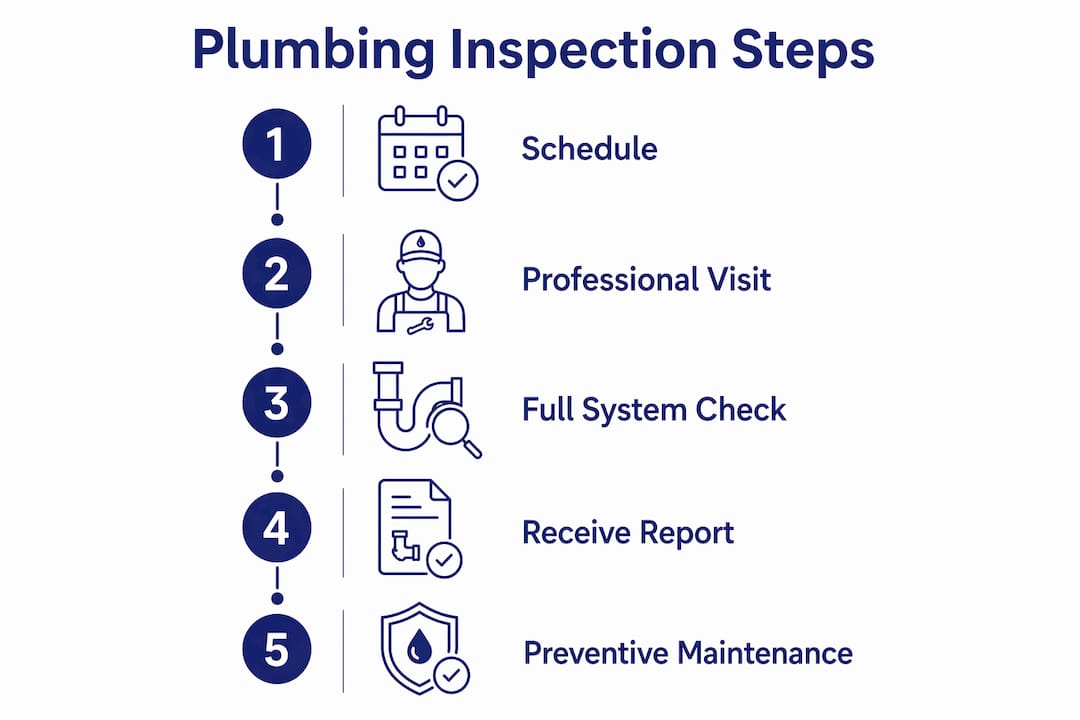
The role of preventive plumbing for San Antonio homeowners is straightforward: spend a little now or spend a lot later. Every dollar spent on a scheduled inspection is a dollar that protects against ten dollars in emergency repairs.
How often should you schedule a plumbing inspection?
Frequency depends on your home’s age, pipe materials, and history of plumbing issues. Annual professional plumbing inspections are recommended for most residential properties, while semi-annual inspections are advised for older homes and specific risk factors. That means if your San Antonio home was built before 1985, you should be scheduling two inspections per year without question.
The table below breaks down inspection frequency by home profile:
| Home profile | Recommended frequency |
|---|---|
| New construction (under 10 years old) | Once per year |
| Mid-age home (10 to 30 years old) | Once per year |
| Older home (30-plus years) | Twice per year |
| Home with known leak history | Twice per year |
| Home with galvanized or polybutylene pipes | Twice per year |
Beyond age, timing matters. Seasonal inspections are critical in colder climates to prevent pipe freezing and water heater failures. San Antonio does experience hard freezes, and the February 2021 winter storm proved exactly how devastating unprepared plumbing systems can be across the city.
Three strategic moments when you should always schedule an inspection regardless of your regular schedule:
- Before purchasing a home. A general home inspector checks many systems, but a licensed plumber goes deeper. You need to know the condition of every pipe, valve, and fixture before you sign.
- Before listing your home for sale. Buyers will conduct their own inspections. Finding and fixing problems first puts you in control of the negotiation.
- After severe weather events. Flooding, freezing temperatures, and ground shifting can all stress your plumbing system in ways that are not immediately visible. Strategic inspection timing after these events protects your property value and prevents surprises.
Pro Tip: Schedule your annual inspection in the fall before temperatures drop. A winter plumbing inspection catches vulnerabilities in your water heater, outdoor hose bibs, and exposed pipes before a freeze turns them into emergencies.
What happens during a professional plumbing inspection?
Many homeowners assume a plumbing inspection is just a plumber walking around and looking at pipes. The reality is far more thorough. A specialized plumbing inspection differs greatly from a general home inspection in depth and diagnostic capabilities. Here is what a licensed plumber actually does during a professional visit.
The visual and pressure assessment
The inspection starts with a full visual walkthrough of every accessible plumbing component. The plumber checks pipe condition, looks for corrosion, tests water pressure at multiple fixtures, and evaluates drain flow rates. Water pressure that is too high stresses joints and valves. Pressure that is too low signals a blockage or supply line problem. Both conditions cause damage over time if left uncorrected.
Advanced diagnostic tools
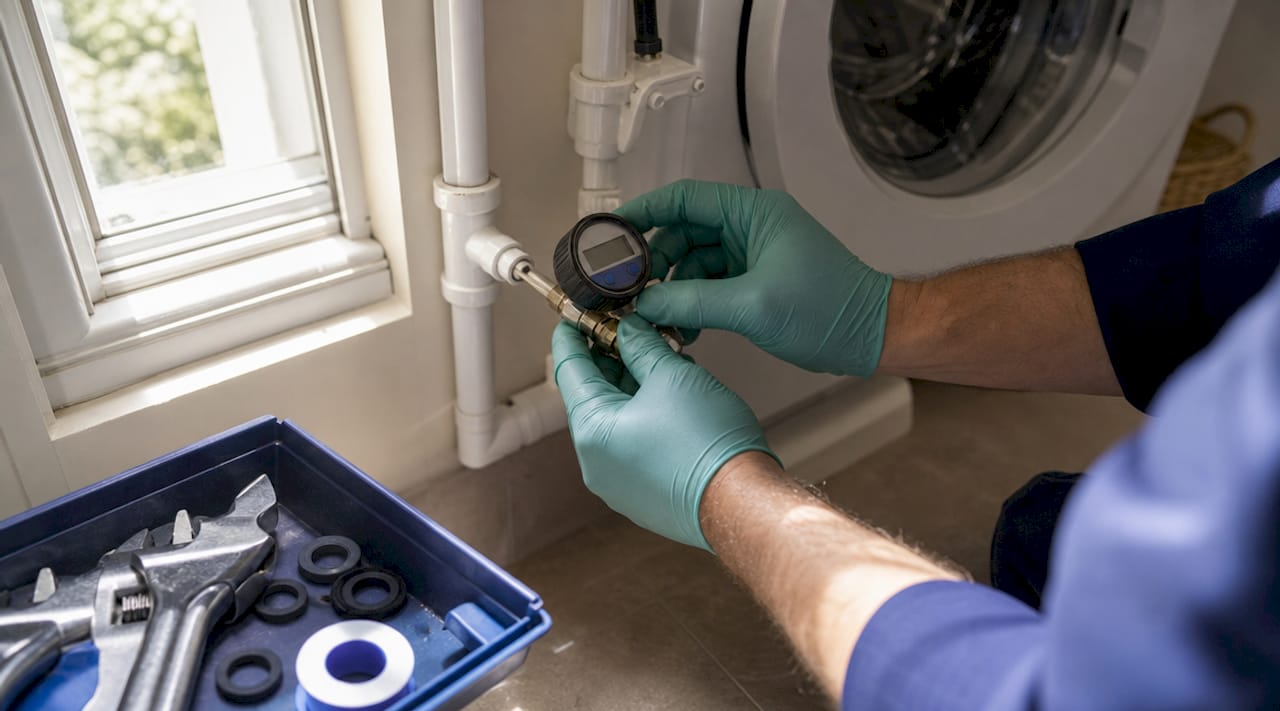
Professional inspections use advanced diagnostic tools beyond visual checks, including sewer cameras, pressure testing equipment, and flow measurement devices. These methods detect hidden issues that a general home inspector simply cannot find. A sewer camera, for example, travels through your drain lines and shows the plumber exactly what is happening underground, including root intrusion, pipe collapse, or grease buildup. Sewer camera scopes are a specialized service strongly recommended to detect underground drain issues that go beyond what a standard inspection covers.
What gets checked on the plumbing inspection checklist
A thorough inspection covers all of the following:
- All visible supply and drain pipes for corrosion, leaks, or improper slope
- Water heater condition, age, temperature setting, and safety pressure relief valve
- All shutoff valves throughout the home, including the main shutoff
- Toilet flushing mechanisms, tank components, and base seals
- Faucet aerators, supply lines, and drain stoppers
- Garbage disposal condition and drain connection
- Outdoor hose bibs and irrigation connections
- Sump pump operation and discharge line routing
- Water softener or filtration system performance
Plumbers also verify that your system meets local plumbing codes. Local plumbing codes vary by city and county, and inspectors confirm compliance with San Antonio and Bexar County regulations regarding permitted materials and configurations. This matters especially if you have had any DIY repairs or additions made to your system over the years.
Common problems found during inspections and how early detection helps
The most dangerous plumbing problems are the ones you cannot see. A professional inspection brings them to the surface before they cause serious damage. Here are the issues Stultz Plumbing finds most frequently in San Antonio homes.
Corroded or failing shutoff valves are one of the most overlooked hazards. Corroded shutoff valves should not be operated by homeowners because attempting to turn them can cause immediate failure. If a pipe bursts and your shutoff valve fails at the same moment, the damage compounds rapidly. An inspection identifies these valves so they can be replaced on a planned schedule rather than discovered during a crisis.
Slow drain buildup is another common finding. Grease, soap scum, and hair accumulate in drain lines over years. By the time a drain is fully clogged, the blockage is often deep in the line and requires professional drain cleaning services to clear properly. Catching partial blockages early means a simple cleaning rather than an emergency call at midnight.
Other problems inspections regularly uncover include:
- Slab leaks hidden beneath concrete foundations, which cause foundation shifting and structural damage if ignored
- Water heater sediment buildup, which reduces efficiency, shortens equipment life, and creates a safety risk if the pressure relief valve is also compromised
- Sump pump failures, which go unnoticed until the next heavy rain floods a basement or crawl space
- Outdoor hose bib damage from previous freezes, which leaks water into wall cavities when the hose is connected
- Cross-connections between potable water and non-potable lines, which create contamination risks
Many early warning signs are missed by homeowners without professional help. The biggest shift a routine inspection creates is moving you from reactive crisis management to planned maintenance. That shift is where the real financial and practical value lives.
Pro Tip: If your San Antonio home is more than 20 years old and has never had a sewer camera inspection, add that to your next scheduled visit. Root intrusion from mature trees is extremely common in older neighborhoods and causes slow-developing but serious drain failures.
Also worth noting: septic systems connected to older San Antonio properties carry similar hidden risks. Regular septic inspections follow the same preventive logic as plumbing inspections and protect your property investment in the same way.
Key takeaways
Scheduling a plumbing inspection annually is the single most cost-effective maintenance step a San Antonio homeowner can take to prevent emergency repairs and protect property value.
| Point | Details |
|---|---|
| Annual inspections are the standard | Most homes need one professional inspection per year; older homes need two. |
| Early detection saves money | Catching leaks and corrosion early costs far less than emergency repairs or water damage restoration. |
| Advanced tools find hidden problems | Sewer cameras and pressure testing reveal issues no visual check can detect. |
| Timing matters | Schedule before purchase, before sale, after severe weather, and each fall before winter. |
| Corroded valves are a hidden danger | Never operate a corroded shutoff valve; identify and replace them during a planned inspection. |
Why I think most homeowners wait too long
I have seen the same pattern repeat itself across San Antonio neighborhoods for years. A homeowner calls us after a pipe bursts or a slab leak surfaces, and the first thing they say is that they had no idea anything was wrong. That is almost always true. Plumbing problems are quiet until they are catastrophic.
The misconception I hear most often is that inspections are only necessary when something seems wrong. That thinking is exactly backwards. By the time you notice a symptom, the underlying problem has usually been developing for months or years. The water stain on your ceiling is not the beginning of the problem. It is the end of a long process that a scheduled inspection would have caught at the start.
What I have found in practice is that homeowners who commit to annual plumbing inspections spend less money on plumbing overall, not just on emergencies. Their systems run more efficiently, their water heaters last longer, and they never face the particular stress of a plumbing failure during a holiday weekend or a Texas freeze. That peace of mind has real value beyond the dollar savings.
My honest advice: treat your plumbing system the way you treat your car. You would not skip oil changes and wait for the engine to seize. Do not skip plumbing inspections and wait for a pipe to burst. Make it a scheduled habit, put it on the calendar every fall, and let a licensed professional tell you what your system actually needs.
— Jean
Schedule your inspection with Stultz Plumbing today

Stultz Plumbing serves San Antonio homeowners with professional plumbing inspections that go well beyond a basic visual check. Our licensed technicians use pressure testing, sewer camera diagnostics, and full system evaluations to give you a clear picture of your plumbing’s condition. We also handle everything an inspection might uncover, from water heater service and repiping to drain cleaning across San Antonio, Boerne, and Fair Oaks Ranch. When you schedule with us, you get transparent findings, honest recommendations, and no pressure to fix things that do not need fixing. Explore our full range of plumbing services in San Antonio and book your inspection today. Your home’s plumbing system deserves a professional set of eyes at least once a year.
FAQ
Why schedule a plumbing inspection if nothing seems wrong?
Most plumbing problems develop silently for months before showing visible symptoms. A professional inspection catches leaks, corrosion, and pressure issues early, when repairs are simple and inexpensive rather than urgent and costly.
How often should you get a plumbing inspection done?
Annual inspections are the standard for most homes. Homes older than 30 years or those with a history of plumbing problems should be inspected twice per year.
What does a plumbing inspection checklist include?
A thorough inspection covers all supply and drain pipes, water heater condition and safety valves, shutoff valves, toilets, faucets, outdoor hose bibs, sump pumps, and local code compliance. Advanced inspections also include sewer camera scoping and pressure testing.
When is the best time to schedule a plumbing inspection?
Fall is the best time for your annual inspection because it prepares your system for winter stress. You should also schedule inspections before buying or selling a home and after any severe weather event like a freeze or flood.
Does a home inspection cover plumbing?
A general home inspection includes a basic visual review of plumbing, but it does not match the depth of a specialized plumbing inspection. A licensed plumber uses diagnostic tools and technical expertise that a general inspector does not carry.
Recommended
- 2026 Annual Plumbing Inspection Checklist In San Antonio
- Plumbing Inspection Checklist San Antonio 2026
Jean runs growth strategy at AimSetWin, a performance marketing agency specializing in local service businesses across Texas. he's helped plumbers, HVAC companies, pest control operators, and home service brands build predictable revenue systems using data-driven advertising and conversion optimization.


