Learn how to troubleshoot common home plumbing issues in San Antonio with this step-by-step guide covering tools, diagnosis, repairs, and prevention tips.
TL;DR:
- Basic plumbing skills help homeowners handle common issues and prevent costly damage.
- Proper tools, safety measures, and systematic diagnosis are essential for effective troubleshooting.
- Recognizing emergencies and knowing when to call professionals saves time and minimizes property damage.
You walk into your kitchen on a Tuesday morning, and water is pooling under the sink. Or maybe your shower pressure has dropped to a trickle overnight. These moments catch every San Antonio homeowner off guard, and without a clear plan, a minor issue can spiral into serious, costly damage fast. The good news is that basic plumbing troubleshooting skills put you back in control. This guide walks you through exactly what to do, from gathering the right tools to verifying your fix, so you can handle common problems confidently and know precisely when it’s time to call us.
Table of Contents
- Gathering the right tools and safety essentials
- Diagnosing common plumbing issues in San Antonio homes
- Step-by-step solutions for the most frequent plumbing problems
- Double-checking your results and preventing future plumbing problems
- Our take: What most guides miss about residential plumbing troubleshooting
- Need professional plumbing help in San Antonio?
- Frequently asked questions
Key Takeaways
| Point | Details |
|---|---|
| Act quickly in emergencies | Immediate action prevents damage during burst pipes or gas leaks. |
| Diagnose issues systematically | Identify whether plumbing problems are isolated or affect the whole home for faster fixes. |
| Use safe troubleshooting methods | Rely on mechanical tools over chemicals to protect your plumbing. |
| Document and maintain | Track symptoms and repairs, and regularly perform simple checks to minimize future problems. |
| Know your limits | Contact professionals when faced with emergencies beyond your expertise. |
Gathering the right tools and safety essentials
Before you even touch a leaky faucet or clogged drain, it’s vital to have the right tools and safety practices in place. Walking into a plumbing situation unprepared is a recipe for turning a small problem into a bigger one.
Must-have tools for basic plumbing checks and fixes:
- Cup plunger and flange plunger (for toilets)
- Drain snake or hand auger
- Adjustable wrench and pipe wrench
- Flashlight or headlamp
- Bucket and old towels
- Teflon tape and replacement washers
- Rubber gloves and safety glasses
Safety comes first, always. Know exactly where your main water shutoff valve is located before any emergency occurs. In most San Antonio homes, it sits near the water meter at the front of the property or inside a utility closet. Wear rubber-soled shoes when working near water, and protect your hands with heavy-duty rubber gloves, especially when dealing with drain lines.
Important: For plumbing emergencies, you must respond immediately to minimize property damage. Knowing your shutoff valve location is the single most important step you can take before a crisis hits.
Review our emergency plumbing tips to prepare your household before an issue arises. You should also familiarize yourself with signs of plumbing emergencies so you can act before small warning signals become full-blown disasters.
| Tool | Primary use | Estimated cost |
|---|---|---|
| Cup plunger | Sink and tub clogs | $10-$20 |
| Drain snake | Deep line blockages | $25-$60 |
| Adjustable wrench | Fittings and supply lines | $15-$35 |
| Water pressure gauge | Diagnosing pressure issues | $10-$20 |
| Flashlight/headlamp | Inspecting dark pipe areas | $15-$40 |
Pro Tip: Keep a small labeled bin under your kitchen sink with these essentials plus your home’s water shutoff location written on a card. When something goes wrong, you won’t waste precious minutes searching.
Diagnosing common plumbing issues in San Antonio homes
Now that you’re prepared, it’s time to diagnose what’s really causing your plumbing concern. Rushing to a solution before identifying the true source wastes time and sometimes makes things worse.
Troubleshooting begins by identifying whether the problem is isolated to one fixture or affecting your entire home. That single distinction shapes every decision that follows.
Follow these five diagnostic steps:
- Identify affected fixtures. Turn on faucets throughout the house. Is the problem in one spot, like a single bathroom, or everywhere?
- Build a symptom timeline. When did the issue start? Did anything change recently, like new appliances, heavy rain, or construction nearby?
- Check for visible leaks. Look under sinks, around toilet bases, and along exposed pipe runs with a flashlight.
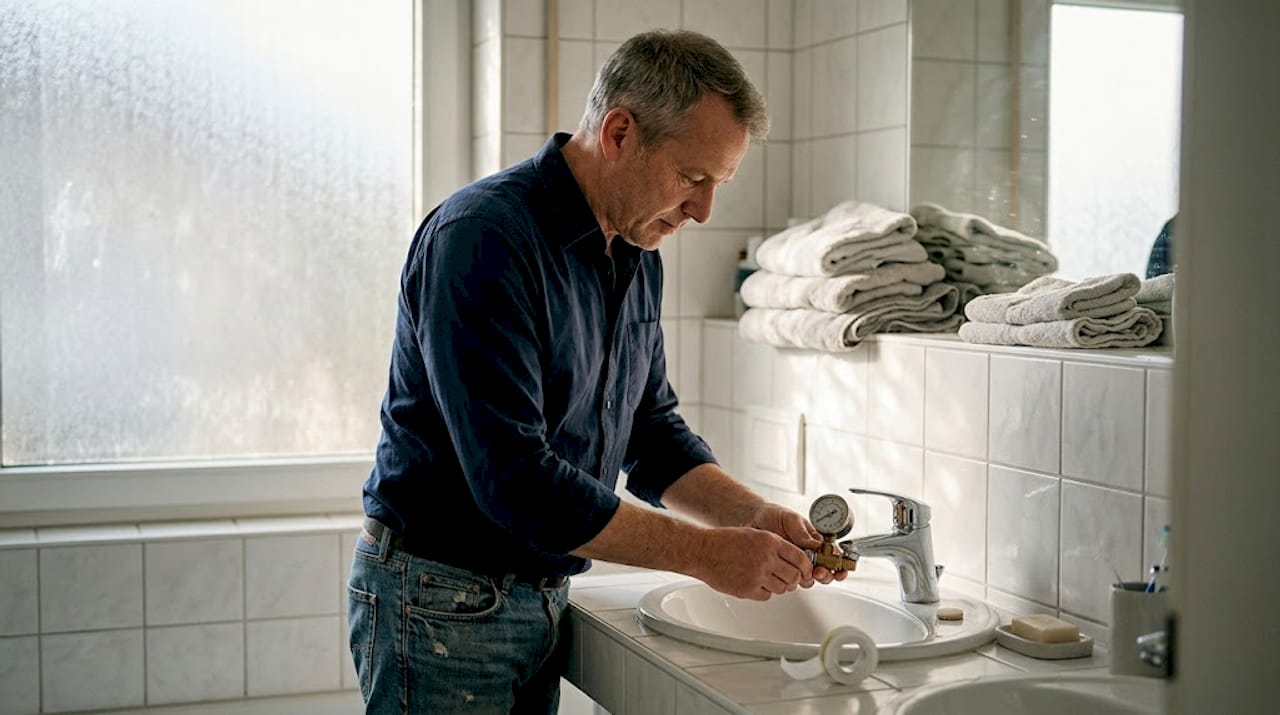
- Assess water pressure. Attach an inexpensive gauge to a hose bib. Normal residential pressure runs between 40 and 80 PSI. Issues with low water pressure often point to a failing pressure regulator or a developing leak.
- Avoid chemical drain cleaners. They can mask symptoms and damage pipes. Stick to mechanical investigation first.
Once you’ve gathered this information, you can consult our guide to detect water leaks for a deeper look at hidden sources. You can also review common plumbing problem solutions to cross-reference what you’re seeing.
| Problem type | Example symptoms | Suggested action |
|---|---|---|
| Localized | One faucet drips, single toilet runs | Check washers, flapper, or supply line |
| Systemic | Low pressure everywhere, multiple drains slow | Inspect main line, pressure regulator, or water meter |
Pro Tip: A water pressure gauge costs under $20 at any hardware store and tells you instantly whether you’re dealing with a pressure issue. It’s one of the best diagnostic tools a homeowner can own.
Step-by-step solutions for the most frequent plumbing problems
With the issue identified, you can now put your tools and knowledge to work. Here’s how to tackle the three most common plumbing problems San Antonio homeowners face.
Unclogging a drain:
- Use a cup plunger with firm, steady pumps for sink and tub drains. Create a tight seal and work for 30 to 60 seconds.
- If plunging fails, insert a drain snake and rotate it to break up or retrieve the blockage.
- Run hot water to flush loosened debris.
Fixing a minor leak:
- Shut off water to the affected fixture.
- Disassemble the faucet handle and replace the worn washer or O-ring.
- Wrap threaded connections with Teflon tape before reassembling.
- Restore water slowly and check for drips.
Restoring low water pressure:
- Clean the aerator on the faucet by unscrewing it and soaking in vinegar for 30 minutes.
- Check the pressure-reducing valve (PRV) near the main shutoff. If it’s old or corroded, it may need replacement.
- Call a professional if pressure doesn’t improve.
Mechanical unclogging is preferable over chemical solutions for most home drain blockages. Chemicals like caustic drain openers can eat away at older galvanized or PVC pipes and often just push the clog further down the line.
Stop and call a plumber immediately if you notice:
- A burst pipe or one you cannot stop leaking
- Any smell of gas near plumbing or appliances
- Sewage backing up into tubs or multiple drains
- Water showing brown or rust color throughout the home
- A water heater making loud popping or banging sounds
Delaying your response during a plumbing emergency can substantially increase damage and repair costs. Flood damage alone averages thousands of dollars when action is delayed even by an hour. You can review spotting water leaks early to avoid reaching that point, and learn more about calling an emergency plumber if DIY steps aren’t resolving the situation.
Pro Tip: Before starting any repair, check your homeowner’s insurance policy and appliance warranties. Some repairs, if done incorrectly by a non-licensed person, may void coverage. A quick review takes five minutes and could save you thousands.
Double-checking your results and preventing future plumbing problems
Once your repair is complete, a final set of checks and preventive steps can make all the difference between a lasting fix and a recurring headache.
Verify your fix with this checklist:
- No drips or moisture under sinks or around fixture bases
- Water pressure feels normal at all tested faucets
- No gurgling sounds from drains after running water
- Toilet refills fully and stops without running continuously
- No water stains forming on ceilings, walls, or floors
Documentation is something most homeowners skip, but it’s genuinely valuable. Documenting issues and fixes helps spot patterns over time and makes conversations with professionals far more efficient. Keep a simple notebook or a phone note with dates, symptoms, what you found, and what you did.
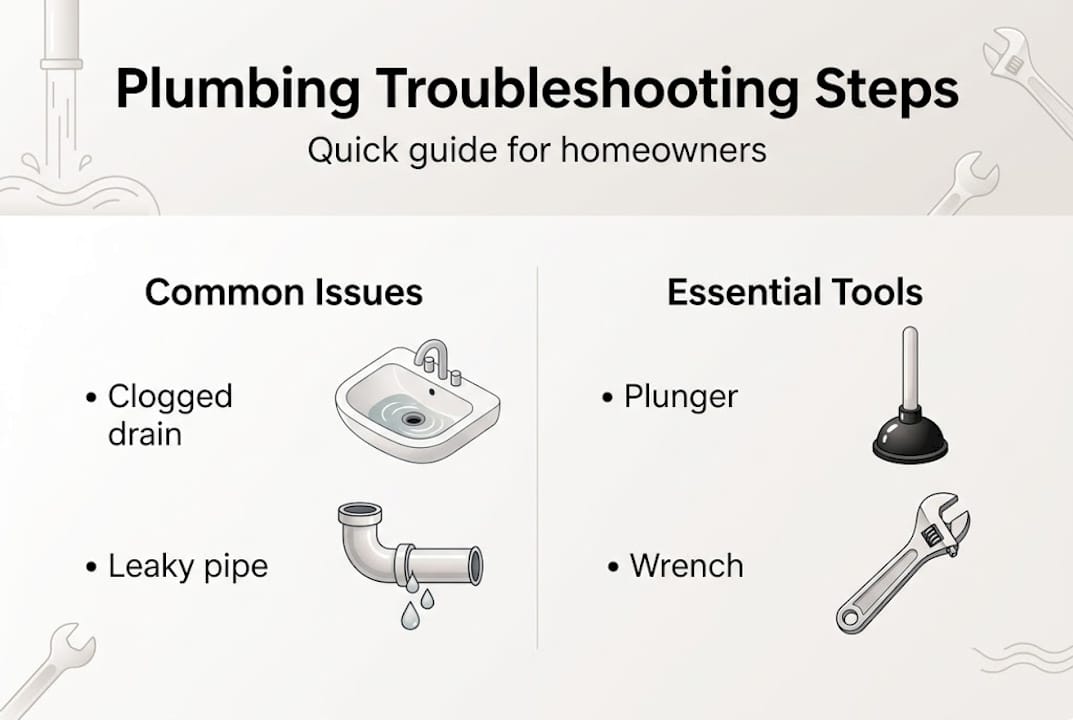
Simple monthly habits prevent most emergencies. Pour a kettle of hot water down kitchen drains monthly to break up grease. Visually inspect under-sink pipes for corrosion or moisture. Flush outdoor hose bibs before winter if temperatures in San Antonio drop unexpectedly. Understanding defining plumbing emergencies helps you recognize when a maintenance task crosses the line into urgent territory.
| Maintenance task | Recommended frequency |
|---|---|
| Inspect under-sink pipes | Monthly |
| Clean drain stoppers | Monthly |
| Test main shutoff valve | Every 6 months |
| Check water pressure | Every 6 months |
| Inspect water heater anode rod | Annually |
| Full visual pipe inspection | Annually |
For guidance on handling major emergencies when they do occur despite your best maintenance, review our step-by-step guide. You may also find it helpful to explore types of plumbing repairs to understand what falls within DIY range and what doesn’t.
Pro Tip: Set a recurring phone reminder two weeks before major holidays or planned vacations to run through your maintenance checklist. The worst time to discover a slow leak is when you return from two weeks away.
Our take: What most guides miss about residential plumbing troubleshooting
Most plumbing guides focus entirely on the mechanics, which tools to use, which steps to follow. What they rarely address is the mental side of the process, and that’s where most homeowners struggle.
We’ve seen it time and again. A homeowner panics at the sight of water on the floor, skips the shutoff valve entirely, and starts pulling at pipes. That reaction turns a fixable problem into a flooded room. Staying calm and following a systematic process is not a soft skill. It’s the most practical thing you can do.
The homeowner who is prepared before an emergency strikes will always spend less money and suffer less damage than one who improvises under pressure.
Symptom tracking is equally underrated. Most people call us and say, “it just started leaking.” But when we ask questions, we often find the pressure had been dropping for weeks, or a drain had been slow for months. Those patterns matter. They point to the root cause, not just the visible symptom.
Our rapid plumbing solutions guide reinforces this point. Readiness beats reaction every time.
Pro Tip: Create a simple “plumbing contacts” note in your phone right now. Include your main shutoff location, your preferred plumber’s number, and your insurance claim line. You’ll be grateful you did it before you ever need it.
Need professional plumbing help in San Antonio?
Even with the best preparation, some plumbing issues require immediate, expert attention. When you’re facing a situation that’s beyond a DIY fix, or you simply want the job done right the first time, Stultz Plumbing is ready to help. Our San Antonio plumbing services cover everything from drain cleaning and leak detection to water heater repair and repiping. We offer transparent pricing and rapid response times across San Antonio and surrounding communities. For urgent situations, our emergency plumbing pros are available around the clock. If you’re unsure how to manage what’s in front of you, our handling emergencies resource can guide your next steps while our team is on the way.
Frequently asked questions
What should I do first during a plumbing emergency?
Immediate action is required, starting with shutting off the main water supply. If you smell gas, evacuate the home immediately and call professionals from a safe distance.
What are signs of a systemic vs. localized plumbing problem?
Systemic issues affect multiple fixtures, while localized problems are confined to a single location. If every faucet in the house has low pressure, think main line or pressure regulator, not a single faucet.
Is it safe to use chemical drain cleaners?
Mechanical unclogging is preferable to chemical solutions for most drain blockages. Chemical cleaners can corrode pipes over time and may push clogs deeper rather than clearing them.
How often should I perform preventive plumbing checks?
Routine maintenance and documentation help prevent repeats and spot issues early. Check drains and under-sink pipes monthly, and inspect the main shutoff and visible piping at least every season.
When should I call a professional plumber instead of fixing it myself?
Burst pipes, gas leaks, and sewer backups require immediate professional help. If you cannot stop a leak, see sewage backing up, or smell gas near any fixture, stop all DIY attempts and call a licensed plumber right away.
Recommended
- Emergency Plumbing Guide for Fast Home Solutions
- Handle plumbing emergencies: step-by-step guide 2026
- 7 Essential Emergency Plumbing Tips for Homeowners
- How to Detect Water Leaks in San Antonio Homes?
- Solve common plumbing problems at home: expert UK advice
- HVAC Repair Workflow Residential: Step-by-Step Guide
Jean runs growth strategy at AimSetWin, a performance marketing agency specializing in local service businesses across Texas. he's helped plumbers, HVAC companies, pest control operators, and home service brands build predictable revenue systems using data-driven advertising and conversion optimization.