

Discover the crucial role of residential plumbers in San Antonio homes. Learn how they protect your property and save you from costly repairs.
TL;DR:
- Small plumbing issues like drips can escalate into costly home damage if neglected. Routine maintenance and timely repairs by qualified residential plumbers help prevent emergencies and extend system lifespan in San Antonio homes. Proactive care and choosing licensed experts ensure safety, efficiency, and long-term savings for homeowners.
A dripping faucet or slow drain might seem like a minor nuisance, but left unaddressed, these “small” issues can quietly escalate into flooded floors, structural damage, and repair bills that run into the thousands. San Antonio homeowners face a unique set of plumbing challenges, from hard water mineral buildup to slab leaks hiding beneath concrete foundations. Understanding what residential plumbers actually do, when to call them, and how their expertise protects your home is not just useful knowledge. It is knowledge that can save you serious money and stress.
Table of Contents
- What does a residential plumber do?
- Common plumbing problems in San Antonio homes
- Residential plumbers: Emergency response and prevention
- Key plumbing services: Water heaters, drain cleaning, and more
- How to choose the right plumber for your home
- Why proactive plumbing care is your home’s best defense
- Trusted plumbing services for San Antonio homeowners
- Frequently asked questions
Key Takeaways
| Point | Details |
|---|---|
| Broad expertise | Residential plumbers handle repairs, maintenance, installations, and emergencies to protect homes. |
| Proactive care | Regular plumbing checkups prevent costly damage and extend the lifespan of home systems. |
| Local insight | San Antonio homes face unique challenges like hard water and shifting soils—expert help matters. |
| Emergency response | Fast plumber intervention can save thousands in repair costs and property damage. |
| Smart selection | Choosing a licensed and experienced plumber ensures code compliance and peace of mind. |
What does a residential plumber do?
Residential plumbers are specialists in the plumbing systems found inside and around single-family homes, townhouses, and smaller multi-family properties. Their daily work covers far more than fixing a leaky pipe. Residential plumbers handle everything from minor leaks to full system installations, giving homeowners a single expert resource for nearly any water-related issue in the home.
Here is a clear picture of what falls within a residential plumber’s scope:
- Pipes and supply lines: Repairing, replacing, or upgrading the network of pipes that carry water to every fixture in your home.
- Faucets and fixtures: Installing and repairing faucets, showerheads, valves, and hose bibs.
- Toilets: Diagnosing and fixing running toilets, clogs, and faulty flush mechanisms or full replacements.
- Water heaters: Installing, maintaining, and repairing both tank and tankless systems.
- Drains and sewer lines: Clearing clogs, hydro-jetting lines, and inspecting sewer connections.
- Gas lines: Connecting or inspecting gas supply lines to water heaters and appliances.
- Water softeners and filtration systems: Installing and servicing equipment that improves your water quality.
The key distinction between residential and commercial plumbers comes down to scale and system complexity. Commercial plumbers work on larger, more intricate systems found in office buildings, restaurants, and industrial facilities. Residential plumbers, by contrast, specialize in the systems that directly affect your family’s daily comfort and safety.
One of the most overlooked aspects of residential plumbing is routine maintenance. Most homeowners only think about calling a plumber when something goes wrong. But proactive inspections and maintenance can prevent costly repairs before they become emergencies. A qualified plumber can spot warning signs like slow pressure drops, early-stage corrosion, or water heater sediment buildup months before these issues turn into full failures.
“The most valuable service a residential plumber provides is not the emergency fix. It is the preventive inspection that stops the emergency from happening in the first place.”
Common plumbing problems in San Antonio homes
San Antonio’s climate and local water conditions create a specific combination of plumbing challenges that homeowners here encounter more than residents in other parts of the country. San Antonio plumbers frequently address hard water buildup, slab leaks, and clogged drains as their most recurring service calls.
Here are the most common issues we see in local homes:
- Hard water mineral buildup: San Antonio’s water supply carries high levels of calcium and magnesium. Over time, these minerals coat pipe interiors, reduce water pressure, and damage appliance components including water heaters and dishwashers.
- Slab leaks: Many San Antonio homes sit on concrete slab foundations. When a pipe beneath the slab begins leaking, it can go undetected for months while eroding the foundation and driving up water bills.
- Clogged drains: Grease, soap scum, hair, and food debris accumulate in drain lines over time. Slow drains are often the first sign of a blockage that will eventually become a full stoppage.
- Running or leaking toilets: A toilet that runs continuously can waste up to 200 gallons of water per day. That is not just wasteful. It is money literally going down the drain.
- Corroded or aging pipes: Older San Antonio homes may still have galvanized steel or polybutylene pipes that are well past their service life. Corrosion leads to restricted flow, discolored water, and eventual leaks.
- Water heater failures: Temperature fluctuations in Texas and hard water sediment buildup put extra strain on water heaters, shortening their lifespan and reducing efficiency.
Staying on top of home plumbing maintenance tips can make a real difference in how often these problems show up. Small actions like checking supply line connections under sinks, monitoring your water bill for unexpected spikes, and looking for damp spots near walls all help you catch problems early.
Pro Tip: If you notice your water bill suddenly increases without a change in usage, that is often a sign of a hidden leak. Shut off all water fixtures and watch your meter for 30 minutes. If the meter moves, call a plumber right away. Addressing the issue early through prompt plumbing repairs can prevent the damage from becoming catastrophic.
Residential plumbers: Emergency response and prevention
Some plumbing problems wait. Others demand immediate action. Knowing the difference protects your home, your family, and your wallet.
True plumbing emergencies include:
- Burst pipes: A pipe that ruptures can release dozens of gallons of water per minute. Turn off the main water supply immediately and call an emergency plumber.
- Sewage backup: If sewage is backing up into your sinks, tubs, or toilets, you face both a health hazard and serious structural risk.
- Gas line issues: If you smell gas near a water heater or appliance, do not attempt repairs. Evacuate and call for emergency plumbing and gas service.
- Complete loss of hot water: While not always life-threatening, no hot water in a home with young children or elderly residents can be a genuine emergency requiring same-day service.
- Active flooding: Any uncontrolled water intrusion requires urgent response to prevent floor damage, mold growth, and electrical hazards.
When our team responds to an emergency, the process is deliberate and fast. We assess the source, shut off supply to the affected area, begin immediate mitigation, then diagnose and repair the root cause. Timely plumber intervention can prevent thousands in home damages, and that savings begins the moment you make the call.
“Every hour of delay in a plumbing emergency increases the risk of water damage spreading into walls, subfloors, and insulation. Speed is your greatest asset.”
Learning more about emergency plumbing solutions can help you stay calm and act effectively when the unexpected happens. We also recommend every homeowner review emergency plumbing tips before a crisis occurs, so you already know where your main shutoff is located and what steps to take first.
Preventive steps homeowners can take:
- Know the location of your main water shutoff valve and test it annually.
- Schedule a plumbing inspection every 12 to 18 months.
- Install a water leak detection device near water heaters and under-sink supply lines.
- Flush your water heater annually to clear sediment buildup.
- Do not ignore slow drains. They are a warning sign, not a minor inconvenience.
Key plumbing services: Water heaters, drain cleaning, and more
Beyond emergency calls, residential plumbers offer a range of scheduled services that protect your home’s long-term plumbing health. Water heater repairs and drain cleaning are among the most requested residential plumbing services in San Antonio, and for good reason. Both services directly affect your home’s comfort and operating costs.
Here is a breakdown of key services and what they typically involve:
| Service | What it includes | Typical timeframe |
|---|---|---|
| Water heater repair | Diagnosing heating element failures, thermostat issues, and sediment removal | 1 to 3 hours |
| Water heater replacement | Full removal and installation of tank or tankless unit | 2 to 6 hours |
| Drain cleaning | Hydro-jetting or snaking to clear blockages | 1 to 2 hours |
| Repiping | Replacing corroded or failing pipe networks throughout the home | 1 to 3 days |
| Slab leak detection | Acoustic or thermal imaging to locate sub-slab leaks | 2 to 4 hours |
| Water softener installation | Installing and calibrating a softener system for hard water | 2 to 4 hours |
Routine vs. emergency services at a glance:
| Type | Examples | Cost range (typical) | Planning |
|---|---|---|---|
| Routine | Annual drain cleaning, water heater flush | Lower, predictable | Scheduled in advance |
| Emergency | Burst pipe, sewage backup, no hot water | Higher, variable | On-demand, same day |
Routine drain cleaning prevents major blockages and expensive repairs by removing grease, scale, and debris before they cause a complete stoppage. Most homeowners should schedule professional drain cleaning at least once a year, and more often in older homes or homes with large families. The cost of an annual cleaning is a fraction of what emergency drain replacement or water damage restoration can run.
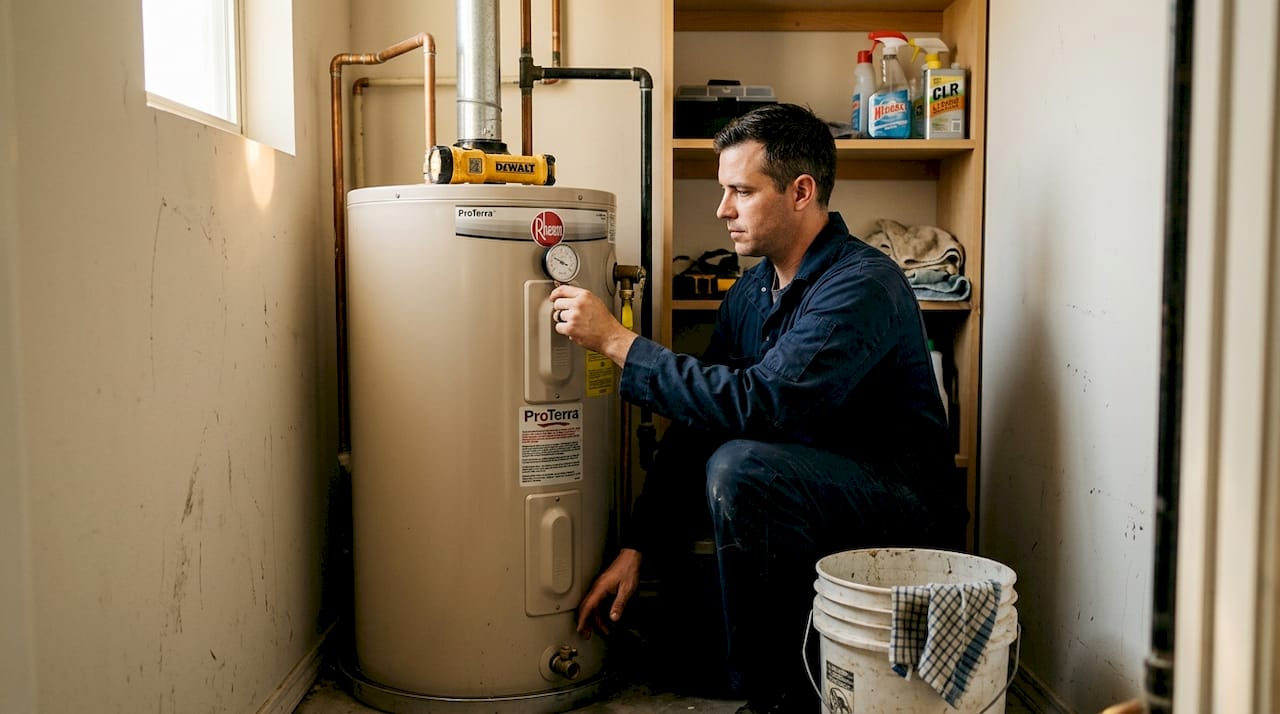
Water heater service deserves special attention in San Antonio. Hard water accelerates sediment accumulation in tank-style water heaters, which reduces efficiency and forces the unit to work harder to heat water. This extra strain shortens the heater’s lifespan by years. A plumber who flushes the tank and inspects the anode rod annually can add meaningful life to your water heater while helping you get the most from your energy budget.
Understanding the plumbing maintenance benefits of these routine services helps put costs in perspective. Every scheduled service visit is an investment in preventing the far more expensive outcomes of deferred maintenance. If you want a structured approach, a thorough plumbing maintenance guide tailored to San Antonio homes can walk you through the most important tasks season by season.
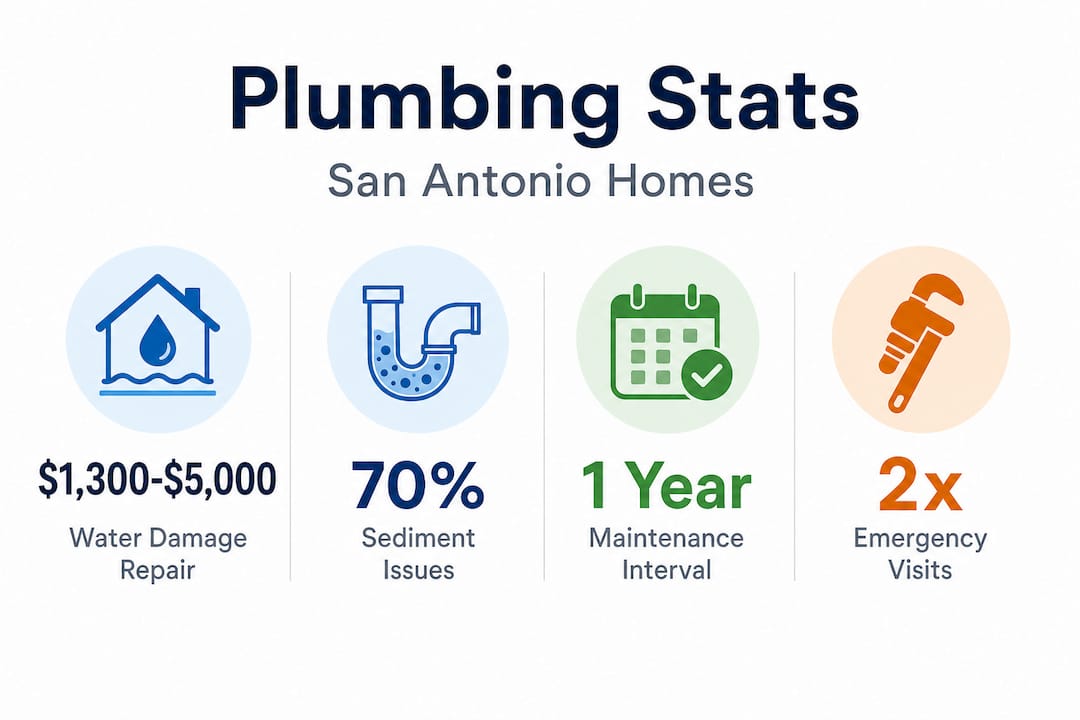
Statistic to know: The average cost of water damage repair in a home ranges from $1,300 to over $5,000 depending on severity, according to national restoration data. A plumbing inspection that costs a fraction of that could prevent the entire event.
How to choose the right plumber for your home
Not every person who shows up with a wrench is equally qualified to work on your home’s plumbing system. Selecting a trustworthy residential plumber requires asking the right questions and knowing what to look for.
What to verify before hiring:
- Texas state license: A licensed plumber has passed state exams and meets continuing education requirements. Licensed professionals ensure code compliance and workmanship quality that protects your home’s value and safety.
- Liability insurance and workers’ compensation: If a plumber damages your property or is injured on the job without proper insurance, you could be held financially responsible.
- Local experience: Plumbers who work regularly in San Antonio understand local codes, common regional issues like hard water and slab construction, and utility company requirements.
- Written estimates: Reputable plumbers provide written quotes before work begins. Be cautious of anyone who gives only verbal pricing.
- Warranties on labor and parts: Ask specifically what is covered and for how long. A quality plumber stands behind the work.
Red flags to avoid:
- Pressure tactics urging you to decide immediately or pay upfront in full
- No physical address or verifiable license number
- Prices that seem dramatically lower than other quotes without explanation
- Reluctance to provide references or show credentials
You can make better, more confident decisions when you follow a consistent plumbing maintenance checklist and keep records of past service visits. This history also gives any new plumber helpful context when they arrive at your home.
Why proactive plumbing care is your home’s best defense
We have been in this industry long enough to see a clear pattern. The homeowners who call us in a panic, dealing with a flooded bathroom or a failed water heater on a cold morning, almost always say the same thing afterward: “I noticed something was off a few months ago, but I figured it would work itself out.”
It rarely does. Plumbing problems do not resolve on their own. They wait, and they worsen.
The conventional wisdom is to call a plumber when something breaks. We think that approach is the most expensive way to maintain a home. Regular plumbing maintenance costs a predictable, manageable amount each year and consistently prevents the unpredictable, budget-wrecking emergencies that homeowners dread most.
There is another dimension to this that most people miss. A plumber who visits your home regularly knows your system. They know where your shutoffs are, what age your water heater is, and whether your drain lines have a history of buildup. That accumulated knowledge is genuinely valuable when something does go wrong. A plumber walking into your home for the first time during a crisis has to diagnose from scratch. Your regular plumber already knows the likely culprit.
Think of your plumber less as a repairman and more as a long-term partner in home protection. The best outcomes we see, year after year, come from homeowners who schedule annual inspections, act quickly on warning signs, and treat plumbing maintenance with the same seriousness as any other major home system. That is not overcaution. That is smart homeownership.
Trusted plumbing services for San Antonio homeowners
Every topic covered in this article, from spotting early warning signs to responding effectively to emergencies, points toward one practical takeaway: the right plumbing partner makes all the difference.

At Stultz Plumbing, we provide the full range of residential plumbing services San Antonio homeowners rely on, including water heater repair and installation, professional drain cleaning, repiping, water softener installation, slab leak detection, and fast emergency response. Whether you need a same-day fix or want to schedule a routine inspection, our licensed technicians are ready to protect your home with transparent pricing and quality workmanship. Reach out to us today and let us put our local expertise to work for your home.
Frequently asked questions
What is the difference between a residential and commercial plumber?
Residential plumbers handle home plumbing systems, unlike commercial plumbers who serve businesses and larger facilities with more complex infrastructure. If you are a homeowner, a residential specialist is the right choice for your needs.
When should I call a plumber for a leak?
Call a plumber as soon as you notice any sign of a leak, including water stains, unexplained moisture, or a rising water bill. Timely response to leaks prevents thousands in damage and keeps small problems from becoming major repairs.
How often should I schedule drain cleaning?
Most homeowners benefit from annual drain cleaning, but homes with older pipes or recurring slow drains may need service more frequently. Routine drain cleaning prevents the blockages and pipe stress that lead to costly repairs.
What makes a plumber “licensed” in Texas?
A licensed plumber in Texas has completed state-approved training, passed written exams, and carries required insurance. Licensed professionals ensure compliance with local building codes, which protects your home’s resale value and your family’s safety.
Can regular plumbing maintenance lower my utility bills?
Yes. Fixing hidden leaks and maintaining your water heater efficiently reduces both water waste and energy consumption. Water heater maintenance is one of the most direct ways to lower monthly utility costs while extending the life of your equipment.
Recommended
- Commercial vs. residential plumbing: make the right choice in San Antonio
- Affordable Plumber in San Antonio | Book Your Free Estimates
- Get Affordable Plumbing Services In San Antonio
- Plumbing maintenance: prevent costly repairs in San Antonio
Jean runs growth strategy at AimSetWin, a performance marketing agency specializing in local service businesses across Texas. he's helped plumbers, HVAC companies, pest control operators, and home service brands build predictable revenue systems using data-driven advertising and conversion optimization.


