Learn why regular plumbing maintenance saves San Antonio homeowners money, prevents costly repairs, and keeps your system running efficiently year-round.
TL;DR:
- Home plumbing leaks waste nearly 1 trillion gallons of water annually, costing homeowners significant money.
- Regular maintenance reduces repair costs by 30% and extends plumbing system lifespan.
- Professional inspections cover fixtures, pipes, water heaters, and drains, preventing costly hidden damages.
Nearly 1 trillion gallons of water are wasted every year across U.S. homes from leaks alone. That’s not a distant statistic. It’s money literally going down the drain, and it’s happening inside walls, under slabs, and behind fixtures you never think to check. Many San Antonio homeowners assume that if nothing is visibly broken, the plumbing is fine. That assumption is expensive. This guide walks you through the real cost of skipping maintenance, the concrete benefits of staying ahead of problems, what a proper inspection covers, and how to build a schedule that works for your home and budget.
Table of Contents
- The real cost of neglecting plumbing maintenance
- How regular maintenance protects your home and wallet
- What’s included in a typical plumbing maintenance check?
- Scheduling maintenance: Best practices for San Antonio homeowners
- The uncomfortable truth most homeowners miss about plumbing care
- Ready to protect your home? Schedule expert plumbing maintenance
- Frequently asked questions
Key Takeaways
| Point | Details |
|---|---|
| Hidden leaks waste water | Even small leaks can add up to thousands of gallons wasted and higher bills. |
| Maintenance saves money | Routine checks reduce expensive repairs and extend the life of your plumbing system. |
| Prevention beats repair | Catching issues early avoids larger, costlier disasters later on. |
| Annual checks are best | Professional maintenance once a year is the simplest way to protect your home in San Antonio. |
The real cost of neglecting plumbing maintenance
Let’s first explore what really happens when routine plumbing checks are put off.
Most homeowners don’t notice a slow leak until it shows up on a water bill or causes visible damage. By then, the problem has often been running for weeks or months. Leaks account for 13.7% of indoor water use, and 10% of homes have leaks wasting 90 or more gallons every single day. That’s not a drip. That’s a steady, invisible drain on your wallet.
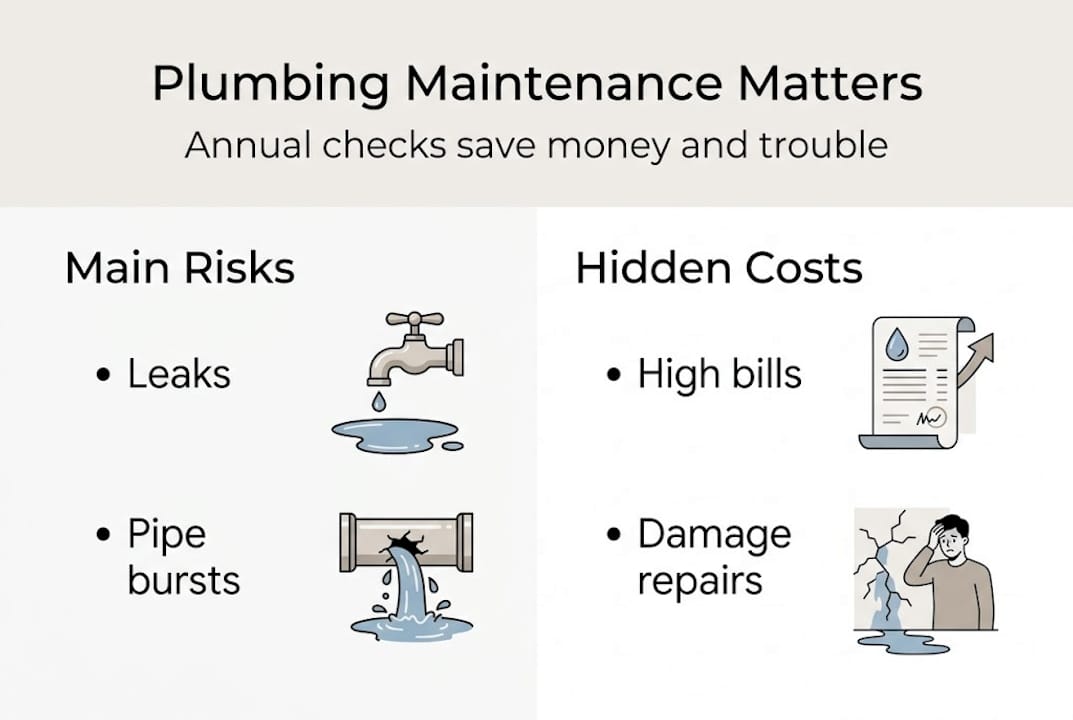
Consider what common, undetected issues actually cost:
| Issue | Water wasted | Estimated annual cost |
|---|---|---|
| Dripping faucet | 3,000+ gallons/year | $20–$35 |
| Running toilet | Up to 200 gallons/day | $70–$200+ |
| Leaking pipe joint | Varies, often 10+ gallons/day | $50–$500+ in damage |
| Slab leak (pipe under foundation) | Severe, often hidden | $2,000–$10,000+ in repairs |
A running toilet alone can cost you hundreds of dollars a year, and most homeowners don’t even hear it running unless they’re standing right next to it. A slab leak, where a pipe fails beneath your home’s concrete foundation, can silently saturate the soil for months before you notice warped floors or a spike in your water bill.
Deferred maintenance doesn’t just cost you in water waste. It multiplies future repair bills. Every $1 skipped in preventive maintenance can cost $4 or more to fix later. A small valve seal that costs $15 to replace today can fail and flood a bathroom, leading to drywall replacement, mold remediation, and subfloor repairs that run into the thousands.
“Plumbing problems don’t announce themselves. They build quietly until the damage is impossible to ignore.”
San Antonio’s climate adds another layer of risk. The city’s hard water accelerates mineral buildup inside pipes and water heaters, shortening their lifespan. Drought conditions can cause soil shifting that stresses underground lines. These local factors make skipping maintenance even riskier here than in other regions. Learning how to save with plumbing inspections is one of the smartest financial moves a homeowner can make, and understanding the cost of ignoring maintenance makes the case even clearer.
How regular maintenance protects your home and wallet
Understanding risk is just the start. Now, let’s see how maintenance puts you in control.
Regular plumbing maintenance isn’t just about avoiding disasters. It’s about building a system that works efficiently, costs less to operate, and lasts longer. Preventive maintenance reduces repair costs by 30% and extends the life of your plumbing assets by 20%. Those numbers matter when you consider what a full pipe replacement or water heater swap costs.
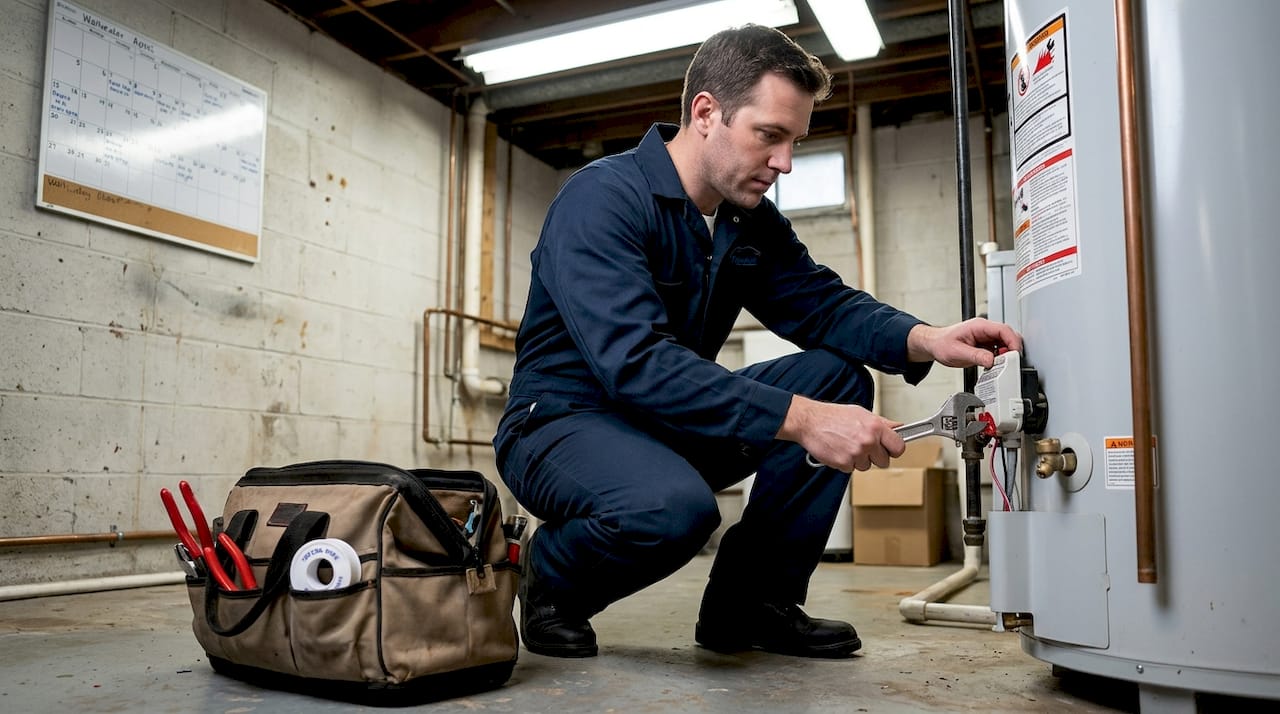
Here’s a direct comparison of what homeowners typically experience:
| Factor | With regular maintenance | Without regular maintenance |
|---|---|---|
| Emergency plumbing calls | Rare | Frequent |
| Monthly water bills | Lower, stable | Higher, unpredictable |
| Fixture and appliance lifespan | Extended | Shortened |
| Risk of water damage | Minimal | Significant |
| Long-term repair costs | 30% lower on average | Compounding over time |
The benefits stack up quickly. Here are the key reasons to stay on schedule:
- Fewer emergency calls. Catching a worn washer or a corroded valve during a routine check means it never becomes a 2 a.m. flood.
- Lower water bills. Fixing leaks and inefficient fixtures directly reduces monthly usage. Even a single toilet repair can cut your bill noticeably.
- Longer system lifespan. Water heaters, pipes, and fixtures that are regularly inspected and serviced last years longer than neglected ones.
- Peace of mind. Knowing your plumbing is in good shape removes a major source of homeowner stress.
- Better home value. A documented maintenance history reassures buyers and can support a higher asking price.
Pro Tip: Build a simple annual schedule. In spring, check outdoor faucets and irrigation lines. In summer, inspect your water heater before peak usage. In fall, look at pipe insulation and valves. In winter, prepare for temperature drops. This rhythm keeps you ahead of seasonal risks without overwhelming your calendar.
Taking steps to prevent costly repairs before they start is far easier than managing them after the fact. A solid plumbing maintenance guide tailored to San Antonio homes can help you stay organized and consistent.
What’s included in a typical plumbing maintenance check?
To really benefit, you need to know what a proper maintenance check covers.
A professional plumbing inspection goes well beyond a quick visual scan. A trained technician checks systems and components that most homeowners never think about until something fails. Here’s what a thorough visit typically includes:
- Faucets and fixtures: Checked for drips, worn washers, and mineral buildup that restricts flow.
- Toilets: Inspected for silent leaks, flapper wear, and fill valve function. A dripping faucet wastes 3,000+ gallons per year, and a running toilet can waste up to 200 gallons a day.
- Water heater: Flushed to remove sediment, checked for corrosion, and tested for proper temperature and pressure relief.
- Pipes and joints: Visually inspected for corrosion, staining, or signs of past leaks. In older San Antonio homes, galvanized pipes are a common concern.
- Drains: Tested for slow drainage that signals buildup or early blockages.
- Shut-off valves: Operated to confirm they work when you need them most.
- Water pressure: Measured to catch high pressure that stresses pipes and shortens fixture life.
Here’s a quick reference for how often different systems should be checked:
| System | Recommended check frequency |
|---|---|
| Faucets and toilets | Every 6–12 months |
| Water heater | Annually (flush and inspect) |
| Pipes and valves | Annually |
| Drains | Every 6 months or as needed |
| Water pressure | Annually |
Between professional visits, you can handle a few things yourself. Watch for water stains on ceilings or walls, listen for running water when nothing is on, and check under sinks monthly for moisture. Knowing the bathroom plumbing problem signs to look for can help you catch issues early. If you notice slow drains throughout the house, that could point to a deeper issue. Reviewing sewer line warning signs is worth doing before a small clog becomes a full backup.
Pro Tip: Take a photo of your water meter reading at the start and end of a two-hour window when no water is being used. If the numbers change, you likely have a hidden leak.
Scheduling maintenance: Best practices for San Antonio homeowners
Knowing what’s involved is key. Now let’s make maintenance easy and effective for local homes.
San Antonio’s climate is not forgiving on plumbing systems. Hot summers, occasional hard freezes, persistent hard water, and drought-driven soil movement all create conditions that accelerate wear. That means the timing and frequency of your maintenance checks genuinely matter here.
Here’s how to build a schedule that fits San Antonio’s environment:
- Schedule a professional check every 12 months at minimum. Once a year is the baseline. If your home is older than 20 years or has a history of plumbing issues, twice a year is a smarter approach. Preventive maintenance cuts repair costs by 30% and extends system life by 20%.
- Book before summer. San Antonio summers push water heaters and outdoor irrigation systems hard. A pre-summer check catches problems before peak demand hits.
- Inspect after heavy storms. Flooding and soil saturation can shift pipes or introduce debris into drainage systems. A post-storm check is smart, not excessive.
- Prepare before winter. Rare but serious freezes hit San Antonio. Checking pipe insulation and knowing where your main shut-off valve is can prevent a burst pipe emergency.
When choosing a plumber for your maintenance visits, ask these questions:
- Do you provide a written report of findings after each visit?
- Are your technicians licensed and insured in Texas?
- Do you offer a maintenance plan or annual service agreement?
- Can you handle specialty services like water softener checks or water heater flushing?
Building a relationship with a reliable local plumber means faster response times and a technician who knows your home’s history. Making prompt plumbing repairs a habit protects your investment. And if you’re unsure where to start, a winter plumbing inspection is one of the best entry points for new maintenance routines.
The uncomfortable truth most homeowners miss about plumbing care
Now that you’re ready to act, here’s a hard look at what’s really at stake with proactive care.
We’ve seen it happen dozens of times. A homeowner calls us after a ceiling collapses or a floor buckles, convinced the problem started recently. In almost every case, the leak had been running for months. The plumbing was out of sight, so it was out of mind.
Here’s the uncomfortable reality: “as-needed” repairs are not a strategy. They’re a reaction. And reactions always cost more than prevention. Every year you defer a maintenance check, you’re not just rolling the dice on a repair bill. You’re nearly quadrupling the eventual cost if something goes wrong.
The real value of a maintenance visit isn’t fixing what you can already see. It’s catching what you can’t. A technician with the right tools can find a slow slab leak before it ruins your foundation, or spot early pipe corrosion before it becomes a burst. That’s the kind of protection that regular plumbing inspections actually deliver. Don’t wait for a disaster to take your plumbing seriously.
Ready to protect your home? Schedule expert plumbing maintenance
To safeguard your investment and enjoy peace of mind, here’s how to take action now.
At Stultz Plumbing, we work with San Antonio homeowners every day to keep their plumbing systems running efficiently and affordably. Whether you need a full annual inspection, a water heater flush, a drain cleaning, or help setting up a maintenance schedule, our team is ready to help. We offer transparent pricing, licensed technicians, and fast response times across San Antonio and surrounding communities. Explore our affordable plumbing services to see what’s available for your home, or review our detailed plumbing maintenance guide to get started on your own schedule today.
Frequently asked questions
How often should I schedule plumbing maintenance in San Antonio?
Schedule a professional plumbing maintenance check every 12 months. If your home is older or has a history of frequent issues, preventive maintenance twice a year can reduce repair costs by 30% and extend your system’s life by 20%.
What are the most common plumbing issues found during maintenance?
Technicians most often find leaks, worn-out seals or washers, slow drains, and early pipe corrosion. 10% of homes have leaks wasting 90 or more gallons per day, most of which go undetected without a professional check.
Can regular plumbing maintenance actually save money?
Yes. Preventive maintenance cuts repair costs by 30% and extends system life by 20%, and every dollar skipped on maintenance can cost four dollars or more to fix later.
Is plumbing maintenance worth it for newer homes?
Absolutely. Even new construction can have installation flaws or early material defects. Regular maintenance preserves system warranties and catches small issues before they grow into expensive problems.
What should I do if I notice a sudden leak or flooding?
Shut off your main water supply immediately and call a licensed plumber right away. Fast action limits water damage and keeps repair costs from escalating.
Recommended
- Regular Plumbing Inspections Save San Antonio Homeowners
- Plumbing maintenance: prevent costly repairs in San Antonio
- Plumbing Maintenance Tips Stultz | Prevent Costly Repairs
- Why prompt plumbing repairs prevent costly damage
Jean runs growth strategy at AimSetWin, a performance marketing agency specializing in local service businesses across Texas. he's helped plumbers, HVAC companies, pest control operators, and home service brands build predictable revenue systems using data-driven advertising and conversion optimization.