

Stay ahead of leaks and costly repairs with our plumbing maintenance checklist 2026. Ensure your home stays efficient and safe year-round!
TL;DR:
- A comprehensive plumbing maintenance checklist helps homeowners detect leaks early and keep systems running efficiently year-round. Regular tasks like flushing water heaters, testing shutoff valves, and clearing drain strainers prevent costly emergencies, especially in hard-water areas like San Antonio. Consulting licensed professionals for complex issues ensures system safety and longevity, reducing the risk of extensive damage.
A plumbing maintenance checklist is an organized set of inspections and tasks that keeps your home’s plumbing efficient, safe, and leak-free throughout the year. According to the U.S. EPA, average household leaks waste nearly 10,000 gallons of water annually. That is money literally going down the drain. This 2026 plumbing maintenance checklist covers everything from monthly leak detection using a water meter and food coloring dye tests to annual water heater inspections and seasonal shutoff valve checks. Whether you own a single-family home in San Antonio or manage multiple rental units, following a structured annual plumbing upkeep checklist is the single most effective way to prevent costly emergencies before they start.
What does a plumbing maintenance checklist 2026 include monthly?
Monthly checks form the foundation of any solid home plumbing maintenance plan. They catch the small problems before they become expensive ones. The good news is that most of these tasks take less than 30 minutes and require nothing more than a flashlight, a few drops of food coloring, and your eyes and ears.
Here is what your monthly inspection should cover:
- Check for visible leaks. Look under every sink cabinet, around toilet bases, and along any exposed pipes in the basement or utility room. Moisture stains, warped cabinet floors, or mineral deposits are all early warning signs.
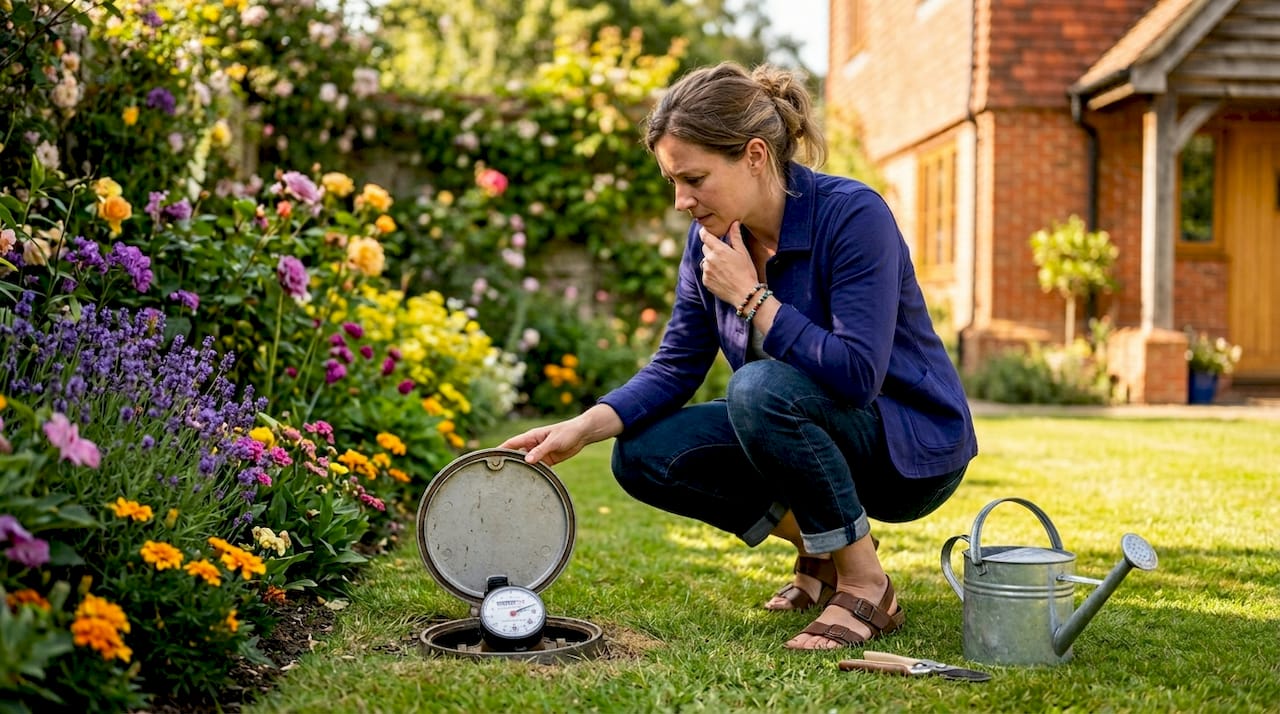
- Run the water meter test. Turn off every water source in the house for two hours. Then check your meter. If the dial moves at all, you have an active hidden leak. This test is the same technique professional plumbers use to triage a property before pulling out any tools.
- Perform the toilet dye test. Drop five to ten drops of food coloring into the toilet tank. Wait 15 minutes without flushing. If color appears in the bowl, the flapper is leaking. A leaking flapper can waste hundreds of gallons per week without making a sound.
- Inspect faucets for drips. A faucet dripping once per second wastes more than 3,000 gallons per year. Check every faucet in the kitchen, bathrooms, and laundry room.
- Listen for running toilets. A toilet that runs continuously after flushing signals a fill valve or flapper problem. You can often hear it from across the room.
- Clear drain strainers. Pull hair and debris from shower and sink strainers. Slow drains are a recipe for backups, and keeping strainers clear is the simplest prevention step available.
- Check water flow at each fixture. Uneven or reduced flow at a single faucet often points to a clogged aerator rather than a pipe problem. That is a two-minute fix.
For a detailed schedule tailored to San Antonio homes, the San Antonio plumbing guide from Stultz Plumbing walks through each task with local water quality context.
Pro Tip: Run the water meter test first, before inspecting individual fixtures. If the meter shows no movement during the two-hour window, you can skip the detailed leak hunt entirely and focus on flow and drain checks instead. This approach saves significant time on a routine inspection.
How often should water heaters be maintained in 2026?
Water heater maintenance splits into two categories: performance maintenance and safety maintenance. Confusing the two leads homeowners to either over-maintain or, more commonly, ignore the safety side entirely until something fails.
Here are the key steps for 2026:
- Flush sediment every 6 to 12 months in hard-water areas. San Antonio’s water supply is notoriously hard. Water hardness above 7 grains per gallon accelerates sediment accumulation inside storage tanks. Sediment creates an insulating layer between the burner and the water, forcing the unit to work harder and shortening its lifespan. Flushing the tank annually removes that buildup before it causes premature failure.
- Test the T&P relief valve every 3 years. The temperature and pressure relief valve is the most critical safety device on your water heater. Lift the lever briefly to confirm it releases water and reseats properly. T&P valve testing should follow the manufacturer’s schedule, with replacement typically recommended at the three-year mark.
- Set water temperature to 120°F. This temperature kills most harmful bacteria while reducing scalding risk and cutting energy costs. Many water heaters ship from the factory set higher than necessary.
- Inspect the anode rod every 2 to 3 years. The anode rod is a sacrificial metal rod that prevents tank corrosion. Once it is depleted, the tank itself begins to corrode. Replacing a worn anode rod costs around $30 to $50 and can add years to the unit’s life.
- Check for corrosion around fittings and the pressure relief valve outlet. White mineral crust or rust-colored staining near connections signals a slow leak or a valve that has been weeping.
- For tankless water heaters, descale the heat exchanger annually. Hard water deposits on the heat exchanger reduce flow rate and trigger error codes. A descaling flush with white vinegar or a manufacturer-approved solution restores full performance.
Pro Tip: If you hear a popping or rumbling sound when your water heater fires up, that is sediment cracking under heat. Do not ignore it. That sound means the tank is already working harder than it should, and a flush is overdue.
What quarterly and seasonal plumbing inspections keep your system reliable?
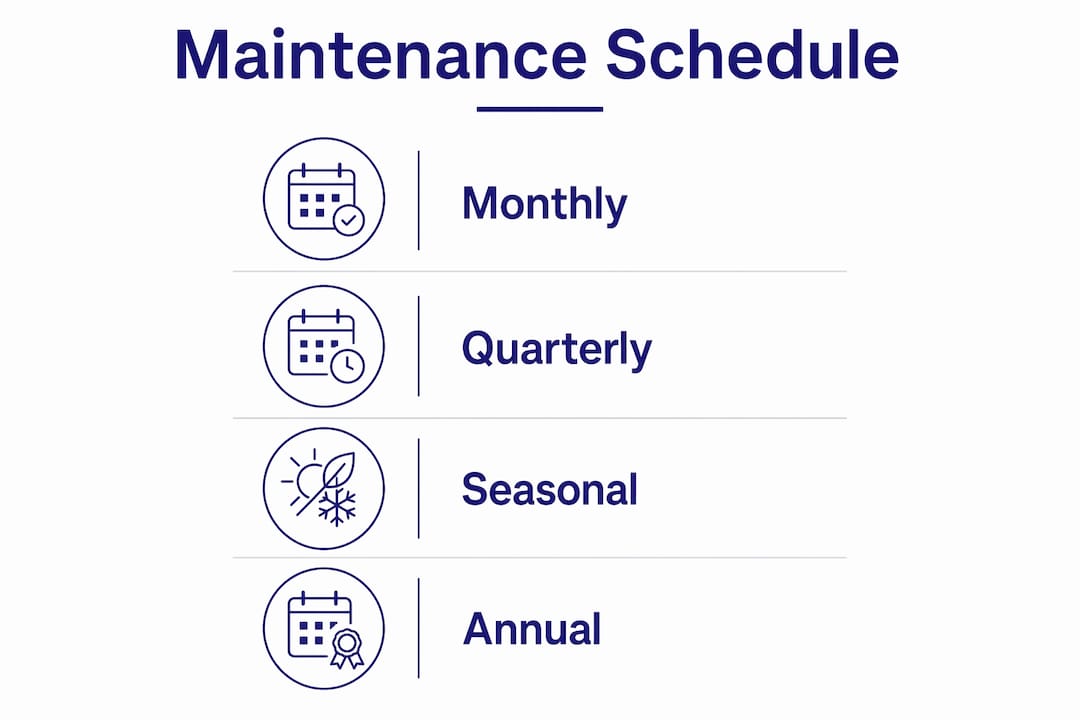
Monthly checks catch active problems. Quarterly and seasonal inspections protect the components that wear more slowly but fail more expensively. A structured maintenance cadence that assigns different tasks to different intervals reduces the chance of missing a faster-wearing component entirely.
Quarterly tasks:
- Test water heater temperature stability by running hot water at a fixture for two minutes and checking the temperature with a thermometer. Significant fluctuation points to a failing thermostat or sediment interference.
- Clean faucet aerators and showerheads. Unscrew the aerator, rinse out debris, and soak in white vinegar for 30 minutes to dissolve mineral deposits. This restores full flow and prevents pressure complaints that get misdiagnosed as pipe problems.
- Check under-sink supply lines for bulging, cracking, or corrosion at the fittings. Braided stainless lines are more durable than plastic, but they still fail at the connection points over time.
Every 6 months:
- Test every shutoff valve in the house, including the main shutoff, individual fixture valves under sinks and toilets, and the water heater isolation valve. Turn each one fully off and back on. Shutoff valve testing prevents the nightmare scenario where you need to stop water fast during a burst pipe and the valve is seized from years of disuse.
- Run water through seldom-used fixtures such as guest bathroom faucets, utility sinks, and floor drains. Stagnant water in P-traps evaporates and allows sewer gases to enter the home.
Seasonally:
- Inspect all outdoor hose bibs, irrigation connections, and exposed pipes for cracks or corrosion after temperature swings. San Antonio does not see hard freezes often, but when temperatures drop below 32°F, unprotected outdoor lines are vulnerable.
- Check the pressure reducing valve (PRV) if your home has one. High water pressure above 80 psi stresses every fixture and fitting in the house. A PRV that has drifted out of range is a silent cause of premature faucet and appliance failure.
How can homeowners prepare for plumbing emergencies and reduce risks?
Emergency prevention is not about reacting faster. It is about removing the conditions that create emergencies in the first place. Most plumbing failures give warning signs weeks or months before they become urgent. The homeowners who catch those signs are the ones who avoid the $5,000 water damage restoration bill.
Here are the practices that matter most:
- Know where your main shutoff valve is and confirm it works. This is the single most important piece of plumbing knowledge a homeowner can have. If a pipe bursts or a supply line fails, you have seconds to make a decision. A seized main shutoff valve turns a manageable leak into a flood.
- Clear drain strainers after every shower. Hair and soap buildup in shower drains is the leading cause of slow drains in residential plumbing. Clearing the strainer takes 10 seconds and prevents the need for drain cleaning services.
- Look and listen during your monthly walk-through. Dripping sounds inside walls, soft spots in drywall near plumbing fixtures, or musty odors under sinks all indicate moisture where it should not be. These are early signs of a leak that has not yet become visible.
- Use preventive drain cleaning monthly. Pour a kettle of boiling water down kitchen drains, followed by a half cup of baking soda and a half cup of white vinegar. Let it fizz for 15 minutes, then flush with hot water. This breaks down grease and soap buildup before it hardens into a clog.
- Recognize when to call a professional. Slow drains that do not respond to home treatment, persistent sewer odors, or water pressure that drops suddenly are all signs of a problem beyond DIY reach. Waiting too long on these issues is where small repair bills become large ones.
For property managers overseeing multiple units, annual backflow preventer testing is a compliance requirement in most jurisdictions, not just a best practice. Scheduling this through a licensed plumber protects both the property and the tenants.
For practical guidance on keeping drains clear, the drain cleaning tips resource from Stultz Plumbing covers the most common residential blockage scenarios in San Antonio.
Pro Tip: Set a recurring calendar reminder on the first of each month for your plumbing walk-through. Consistency is what separates homeowners who catch problems early from those who discover them during a holiday weekend when emergency service rates are highest.
Key takeaways
A consistent plumbing maintenance checklist, executed monthly, quarterly, and seasonally, is the most cost-effective way to protect your home’s plumbing system and avoid emergency repairs.
| Point | Details |
|---|---|
| Monthly leak detection | Use the water meter test and toilet dye test to catch hidden leaks before they waste thousands of gallons. |
| Water heater flushing | Flush sediment every 6 to 12 months in hard-water areas like San Antonio to maintain efficiency and extend unit life. |
| Shutoff valve testing | Test every shutoff valve every 6 months to confirm reliable operation during an actual emergency. |
| Drain maintenance | Clear strainers monthly and use baking soda and vinegar flushes to prevent buildup from becoming a blockage. |
| Professional inspections | Schedule a licensed plumber for annual inspections, T&P valve checks, and any issue that does not resolve with home treatment. |
What consistent maintenance has taught me about San Antonio plumbing
I have seen the same pattern repeat itself dozens of times. A homeowner calls us after a water heater fails, a pipe bursts behind a wall, or a drain backs up into the kitchen. Nine times out of ten, there were warning signs weeks or months earlier that went unnoticed or were dismissed as minor. The cost of ignoring small leaks is not just the repair bill. It is the drywall replacement, the mold remediation, and the disruption to daily life.
San Antonio’s hard water makes this city a particularly unforgiving environment for plumbing systems. The mineral content here accelerates sediment buildup in water heaters, clogs aerators faster than in softer-water cities, and shortens the life of fixtures and supply lines. That means the maintenance intervals that work in other parts of the country are often too infrequent here. If the national recommendation is to flush your water heater once a year, in San Antonio, twice a year is the safer standard.
The water meter test is the shortcut I recommend to every homeowner I talk to. Before you spend an hour crawling under sinks and checking every fixture, spend two hours doing nothing. Turn everything off, mark the meter, and come back. If the meter has not moved, you have just confirmed there is no active leak in the system. That one test eliminates the most time-consuming part of a monthly inspection when everything is working correctly.
Know your limits. Replacing a faucet aerator or clearing a strainer is well within reach for most homeowners. Diagnosing a pressure drop, locating a slab leak, or testing a T&P valve correctly requires training and the right tools. Calling a professional at the right moment is not a failure. It is the decision that keeps a $200 service call from becoming a $20,000 restoration project.
— Jean
How Stultz Plumbing helps San Antonio homeowners stay ahead of plumbing problems
When your checklist turns up something that needs professional attention, Stultz Plumbing is ready to help.

We provide affordable plumbing services across San Antonio and surrounding communities, including water heater maintenance and repair, professional drain cleaning, repiping, and emergency response. Our technicians know San Antonio’s hard water conditions and build their recommendations around what actually works in this region. Whether you need a water heater flushed, a shutoff valve replaced, or a full annual inspection completed, we show up on time with transparent pricing and no surprises. Contact Stultz Plumbing today to schedule your 2026 plumbing inspection and get ahead of the problems before they find you.
FAQ
What is a plumbing maintenance checklist?
A plumbing maintenance checklist is a structured list of inspection and upkeep tasks organized by frequency, covering leak detection, fixture condition, water heater performance, drain flow, and shutoff valve operation. It helps homeowners and property managers catch problems early and maintain system efficiency year-round.
How often should I flush my water heater in San Antonio?
In San Antonio, where water hardness regularly exceeds 7 grains per gallon, flushing your water heater every 6 months is the recommended interval. Sediment buildup in hard-water regions reduces efficiency and causes premature component failure if left unaddressed.
How do I know if I have a hidden water leak?
Turn off all water in your home for two hours and check your water meter before and after. If the meter moves during that window, you have an active hidden leak somewhere in the system that needs investigation.
How often should shutoff valves be tested?
Test every shutoff valve in your home at least every 6 months. Valves that sit unused for years can seize, making them useless during an actual emergency when you need to stop water flow immediately.
When should I call a plumber instead of handling maintenance myself?
Call a licensed plumber when you find active leaks you cannot locate, experience sudden pressure drops, notice persistent sewer odors, or need T&P valve replacement or water heater servicing. The annual plumbing inspection checklist from Stultz Plumbing outlines exactly which tasks benefit from professional oversight.
Recommended
- Home plumbing maintenance guide for San Antonio 2026
- San Antonio homeowner’s plumbing maintenance checklist
- Complete plumbing inspection checklist for San Antonio 2026
- Annual Plumbing Inspection Checklist | Stultz Plumbing
Jean runs growth strategy at AimSetWin, a performance marketing agency specializing in local service businesses across Texas. he's helped plumbers, HVAC companies, pest control operators, and home service brands build predictable revenue systems using data-driven advertising and conversion optimization.


