

Practical plumbing maintenance tips for San Antonio homeowners to prevent costly repairs, extend system lifespan, and protect your home from water damage.
Every homeowner in San Antonio knows the frustration of a sudden leak, a stubborn drain clog, or a water heater that quits on a cold morning. These plumbing headaches disrupt your routine and often lead to expensive emergency repairs. The good news? Most plumbing problems are preventable with simple, regular maintenance you can perform yourself or with a trusted professional. This guide walks you through practical steps to keep your plumbing system running smoothly year-round.
Table of Contents
- Why Home Plumbing Maintenance Matters In San Antonio
- Essential Tools And Materials For Home Plumbing Maintenance
- Step-By-Step Plumbing Maintenance Tasks For Homeowners
- Common Plumbing Mistakes And How To Avoid Them
- Verifying Your Plumbing Maintenance Results And When To Call A Pro
- Expert Plumbing Services For San Antonio Homeowners
- FAQ
Key takeaways
| Point | Details |
|---|---|
| Regular inspections catch issues early | Monthly visual checks and annual professional inspections prevent small problems from becoming costly repairs. |
| Seasonal maintenance protects against weather damage | San Antonio’s heat and occasional freezes require targeted upkeep to safeguard pipes and fixtures. |
| Prompt drain cleaning avoids backups | Clearing drains regularly prevents blockages and extends your plumbing’s lifespan. |
| Know when to call professionals | Persistent leaks, low pressure, or recurring clogs signal the need for expert help. |
Why home plumbing maintenance matters in San Antonio
San Antonio’s hard water and intense summer heat create unique stresses on your home’s plumbing system. Mineral buildup clogs pipes and fixtures faster here than in many other regions. High temperatures cause pipe expansion and contraction, weakening joints over time. Ignoring these regional challenges invites leaks, corrosion, and sudden failures.
Regular maintenance directly addresses these issues. Scheduled drain cleaning prevents costly repairs and extends plumbing lifespan, keeping water flowing freely. Inspecting pipes for corrosion catches problems before they cause water damage to walls and floors. Flushing your water heater removes sediment that reduces efficiency and shortens its life. Every small task you complete today saves hundreds or thousands in emergency repairs later.
Consider the financial impact. A slow leak wastes up to 10,000 gallons per year, inflating your water bill month after month. Replacing a damaged section of pipe costs far less than repairing structural damage from a burst pipe. Proactive care pays for itself many times over.
“Preventive plumbing maintenance is the most cost effective strategy for homeowners. Small investments in routine care avoid the expense and stress of emergency repairs.”
Beyond money, regular upkeep gives you peace of mind. You avoid the chaos of a plumbing emergency during a family gathering or busy workweek. Your home stays comfortable and functional, and you protect your largest investment from avoidable damage. Make maintenance a habit, and your plumbing will serve you reliably for decades.
Key maintenance benefits for San Antonio homes:
- Reduces mineral buildup from hard water
- Prevents heat-related pipe stress and leaks
- Extends lifespan of water heaters and fixtures
- Lowers monthly water bills by eliminating waste
- Avoids emergency repair costs and inconvenience
Essential tools and materials for home plumbing maintenance
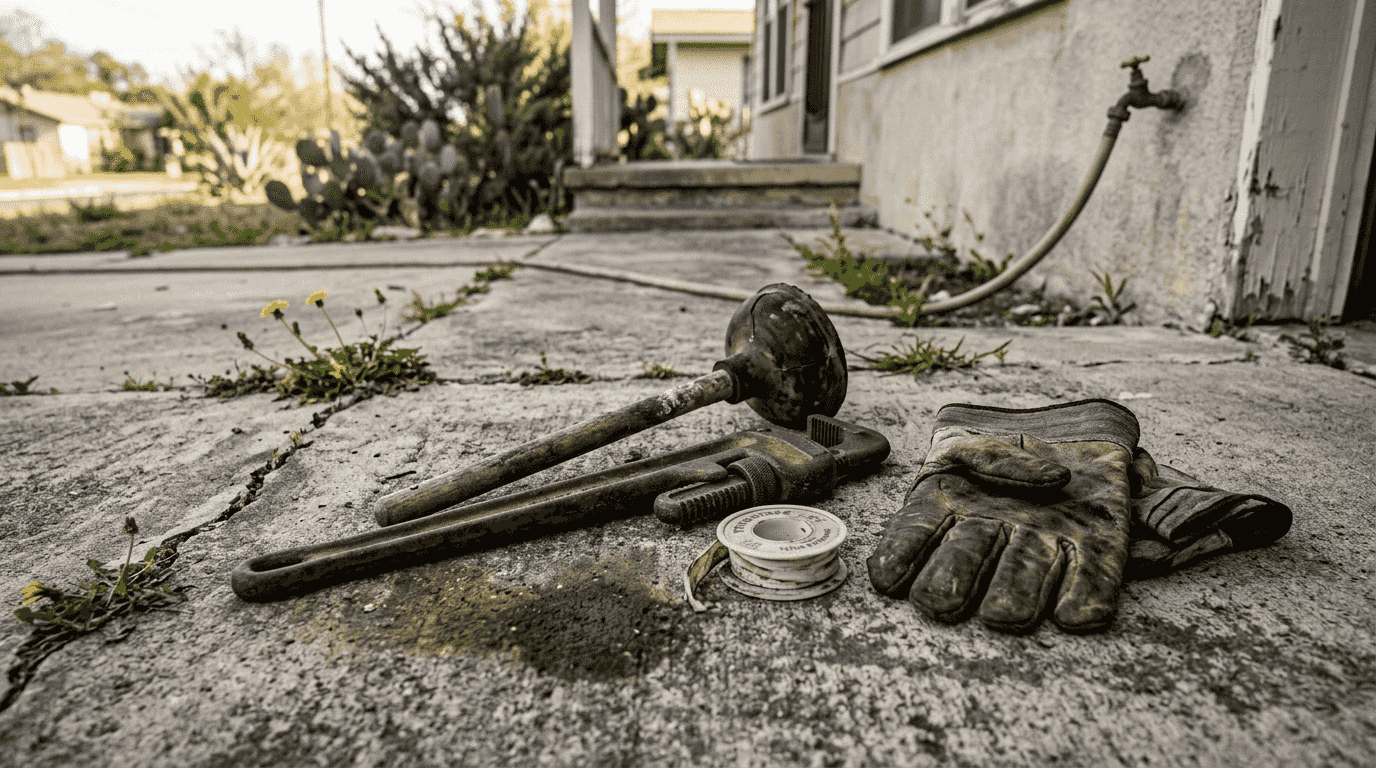
Having the right tools ready makes plumbing maintenance faster and safer. You don’t need an expensive collection, just a few quality basics. Start with an adjustable pipe wrench for tightening connections and removing fixtures. Add a standard cup plunger for toilet clogs and a flange plunger for sink drains. Keep plumber’s tape on hand to seal threaded pipe joints and prevent leaks.
Having the right tools makes routine maintenance easier and helps you tackle minor issues before they escalate. A hand-crank drain snake clears most clogs without chemicals that damage pipes. Pick up a small flashlight to inspect dark areas under sinks and behind toilets. Store a few replacement washers and O-rings for quick faucet fixes.
| Tool/Material | Primary Use | Safety Note |
|---|---|---|
| Adjustable pipe wrench | Tighten or loosen pipe fittings | Use steady pressure to avoid stripping threads |
| Cup plunger | Clear toilet clogs | Ensure tight seal around drain opening |
| Drain snake | Remove hair and debris from drains | Wear gloves when handling used snake |
| Plumber’s tape | Seal threaded connections | Wrap clockwise around threads |
| Replacement washers | Fix dripping faucets | Turn off water supply before replacing |
Quality matters more than quantity. A sturdy wrench lasts decades, while a cheap one strips nuts and rounds off bolts. Buy tools from reputable hardware stores, not discount bins. Invest in a multi-bit screwdriver to handle different fixture types. Add a bucket and rags for catching water during repairs.
Pro Tip: Create a dedicated plumbing toolbox and store it near your water heater or main shutoff valve. Label it clearly so family members know where to find tools during an emergency. Include a laminated card with your plumber’s contact information for situations beyond DIY fixes.
Essential plumbing supplies to keep stocked:
- Pipe sealant or Teflon tape
- Assorted washers and O-rings
- Pipe clamps for temporary leak fixes
- Waterproof silicone caulk
- Hand-crank drain snake
- Bucket and absorbent rags
Step-by-step plumbing maintenance tasks for homeowners
Start your maintenance routine with a monthly leak inspection. Walk through your home and check all visible pipes under sinks, behind toilets, and around your water heater. Look for drips, water stains, or corrosion on pipe surfaces. Run your hand along joints to feel for moisture. Catching a small leak early prevents water damage and mold growth.
Next, address drain maintenance. Scheduled drain cleaning helps prevent major issues that lead to backups and costly repairs. Pour hot water down kitchen and bathroom drains weekly to flush away soap scum and grease. For minor clogs, use a plunger first, then a hand-crank snake if needed. Avoid chemical drain cleaners that corrode pipes over time.
Your water heater needs annual attention to perform efficiently. Turn off power or gas, then attach a garden hose to the drain valve. Empty 2-3 gallons into a bucket to flush out sediment that reduces heating capacity. Check the temperature setting, keeping it at 120°F to prevent scalding and save energy. Inspect the pressure relief valve by lifting its lever briefly to ensure water flows freely.
Test your main water shutoff valve twice yearly. Locate it where the water line enters your home, usually in a basement, crawl space, or exterior wall. Turn it fully clockwise to close, then counterclockwise to open. If it’s stiff or won’t turn completely, apply penetrating oil and work it gently. A functioning shutoff valve lets you stop water flow instantly during emergencies, preventing catastrophic damage.
Monthly plumbing maintenance checklist:
- Inspect all visible pipes for leaks or corrosion
- Check faucets and showerheads for drips
- Look under sinks for moisture or mold
- Test toilets for silent leaks by adding food coloring to tanks
- Pour hot water down all drains to prevent buildup
- Listen for unusual sounds when water runs
Pro Tip: Winter plumbing inspections protect homes from frozen pipes during San Antonio’s occasional hard freezes. Before temperatures drop below 32°F, insulate exposed pipes in attics, garages, and crawl spaces. Disconnect and drain garden hoses, and know how to shut off outdoor faucets from inside your home.
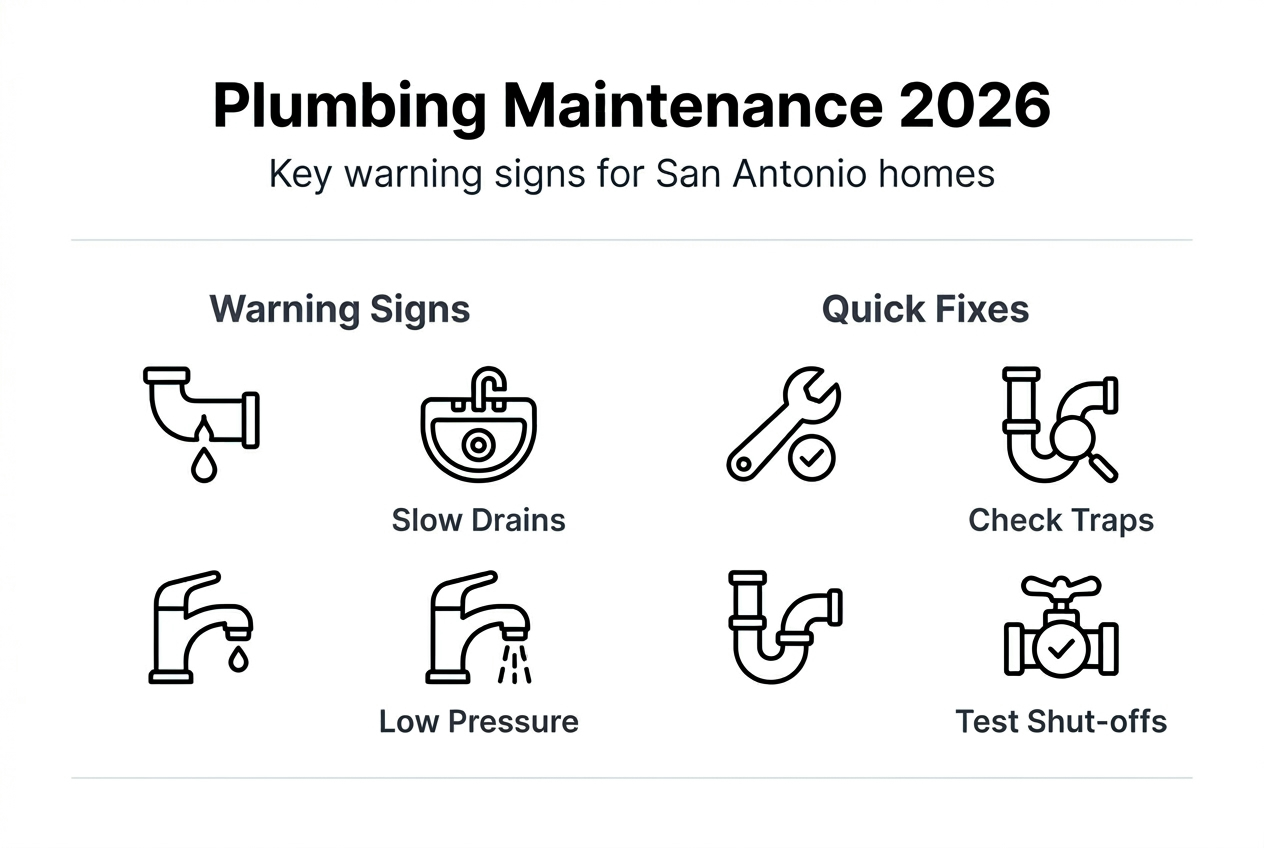
Early detection saves money and stress. Watch for warning signs between formal inspections. Slow drains indicate developing clogs. Discolored water suggests pipe corrosion. Sudden drops in water pressure point to leaks or blockages. Musty odors near fixtures signal hidden moisture. Address these symptoms immediately to prevent escalation.
Common plumbing mistakes and how to avoid them
Many homeowners worsen plumbing problems by using harsh chemical drain cleaners. These products promise quick results but generate heat that can crack older pipes. The chemicals eat through clogs but also corrode metal pipes and damage plastic components. Repeated use weakens your entire drain system, leading to expensive replacements.
Ignoring slow leaks ranks among the costliest mistakes. A small drip seems harmless, so you place a bucket underneath and forget about it. Meanwhile, moisture seeps into walls and floors, rotting wood and growing mold. By the time you notice structural damage, repairs cost thousands more than fixing the original leak.
Attempting complex repairs without proper knowledge creates safety hazards. Cutting into pressurized water lines without shutting off supply causes flooding. Working near water heaters without understanding gas or electrical connections risks fire or electrocution. Mismatched pipe fittings fail under pressure, turning a small fix into a major disaster.
“When working on plumbing near electrical components, always shut off power at the breaker box first. Water conducts electricity, and even a small amount can cause serious injury or death. If you’re uncertain about electrical safety, call a professional immediately.”
Delaying professional help magnifies problems exponentially. Recognizing warning signs early helps you avoid plumbing emergencies. What starts as a slow drain becomes a complete backup flooding your bathroom. A minor water heater leak turns into a tank failure that damages flooring throughout your home. Professional plumbers diagnose root causes and fix them permanently, not just treat symptoms.
Plumbing mistakes to avoid:
- Using chemical drain cleaners instead of mechanical snakes
- Overtightening pipe connections and cracking fittings
- Ignoring strange noises like banging or gurgling pipes
- Flushing inappropriate items that cause clogs
- Skipping annual water heater maintenance
- Attempting repairs involving gas lines or main water connections
Another common error is using too much force when tightening connections. Plastic fittings crack easily when overtightened. Even metal connections can strip threads or distort seals, creating leaks instead of preventing them. Tighten connections until snug, then add just a quarter turn more. If it still leaks, the problem lies elsewhere, not in the tightness.
Verifying your plumbing maintenance results and when to call a pro
After completing maintenance tasks, verify your work systematically. Run water through every fixture you serviced and watch for drips at connections. Check drain flow by filling sinks partially, then releasing the stopper to ensure water disappears quickly. Feel pipes under pressure to detect moisture that indicates incomplete seals.
Monitor your home for 24-48 hours after maintenance. Water pressure should remain steady throughout the house. Hot water should arrive at faucets within a minute. No new stains should appear on ceilings or walls below plumbing fixtures. Listen for unusual sounds like rattling pipes or running water when fixtures are off.
Persistent issues after your maintenance efforts signal deeper problems requiring professional diagnosis. A toilet that continues running wastes water and indicates internal component failure. Drains that clog repeatedly suggest blockages deep in your sewer line. Low water pressure throughout your home points to supply line issues beyond simple fixes.
| Warning Sign | Possible Cause | Action Needed |
|---|---|---|
| Multiple slow drains | Main sewer line blockage | Professional drain cleaning |
| Discolored water | Pipe corrosion or sediment | Water quality test and pipe inspection |
| Sudden pressure drop | Hidden leak or pipe break | Emergency plumber visit |
| Persistent sewer odors | Dried drain trap or vent issue | Professional inspection |
| Visible pipe corrosion | Age or water chemistry | Repiping assessment |
Knowing when to call a professional prevents emergencies and protects your home. Some situations always require expert help. Gas line work demands licensed professionals due to explosion and poisoning risks. Major leaks that you can’t isolate need immediate attention to prevent structural damage. Sewer backups require specialized equipment to clear safely.
Prepare before calling a plumber to make the service call efficient. Locate your main water shutoff and know how to use it. Take photos of visible problems to share with the technician. Clear access to affected areas by moving stored items. Write down when problems occur and what triggers them. This information helps plumbers diagnose issues faster and reduces service time.
When to schedule professional plumbing service:
- Annual inspections even without obvious problems
- Recurring clogs despite regular cleaning
- Water heater age exceeds 10 years
- Visible corrosion on multiple pipes
- Plans to renovate bathrooms or kitchens
- Buying or selling a home requiring inspection
Don’t wait for catastrophic failures. Schedule annual professional inspections as preventive care. Plumbers spot developing issues you miss, like corroded pipes hidden in walls or water heater elements near failure. They have diagnostic tools like camera inspections and pressure gauges that reveal problems before they cause damage. An annual service call costs far less than emergency repairs.
Expert plumbing services for San Antonio homeowners
When maintenance reveals problems beyond DIY solutions, Stultz Plumbing delivers the expert care your home deserves. Our team understands San Antonio’s unique plumbing challenges, from hard water issues to weather-related stress on pipes and fixtures. We provide comprehensive plumbing services in San Antonio tailored to residential needs, ensuring your system operates reliably year-round.
Our drain cleaning services use advanced equipment to clear stubborn clogs and restore proper flow without damaging your pipes. Need water heater services in San Antonio? We handle everything from routine maintenance to emergency repairs and full replacements. Our transparent pricing and rapid response times mean you get honest, affordable solutions exactly when you need them. Schedule an inspection today to keep your plumbing performing at its best.
FAQ
How often should I inspect my home plumbing in San Antonio?
Perform quick visual checks monthly to catch leaks or corrosion early. Schedule thorough professional inspections annually to identify hidden issues before they cause damage. San Antonio’s hard water and heat make regular monitoring especially important for preventing costly repairs.
What are the warning signs that I need professional plumbing help?
Persistent leaks, consistently low water pressure, foul sewer odors, and repeated drain clogs all indicate serious underlying problems. Multiple warning signs together suggest your plumbing system needs expert evaluation. Don’t ignore these symptoms, as they typically worsen rapidly without professional intervention.
Can I safely clear a clogged drain myself?
Use a plunger or hand-crank drain snake for minor clogs without resorting to chemical cleaners that damage pipes. These mechanical methods work effectively for most bathroom and kitchen blockages. When DIY methods fail or clogs recur frequently, professional drain cleaning prevents potential pipe damage from improper techniques.
Recommended
- Emergency plumbing: Protect your San Antonio home in 2026
- Top Plumbing Problems in San Antonio & How to Fix Them
- Water heater troubleshooting guide San Antonio 2026
- Prevent Plumbing Problems in San Antonio’s Hot Summers
Jean runs growth strategy at AimSetWin, a performance marketing agency specializing in local service businesses across Texas. he's helped plumbers, HVAC companies, pest control operators, and home service brands build predictable revenue systems using data-driven advertising and conversion optimization.


