

Discover how to identify, repair, and prevent frozen pipes in San Antonio. Learn when to call professionals, repair costs, and prevention tips that cut damage by 40%.
Frozen pipes are responsible for 30% of winter plumbing damage in American homes, and San Antonio homeowners face growing risks during unexpected cold snaps. Many believe frozen pipes thaw safely on their own, but this misconception leads to costly bursts and water damage. This guide walks you through identifying frozen pipes early, deciding between DIY and professional repair, understanding costs, and implementing prevention strategies designed for our Texas climate.
Table of Contents
- Understanding Why Pipes Freeze And Burst
- How To Identify Frozen Pipes Early And What To Do Immediately
- Professional Vs Diy Repair: When To Call An Expert
- Costs Of Frozen Pipe Repair In San Antonio And Factors Impacting It
- Preventive Strategies To Protect Your Plumbing From Freezing
- Common Misconceptions About Frozen Pipe Repair
- Get Trusted Frozen Pipe Repair Services In San Antonio
- Frequently Asked Questions About Frozen Pipes Repair
Key Takeaways
| Point | Details |
|---|---|
| Frozen pipe science | Water expands 9% when frozen, creating pressure that bursts pipes and causes immediate damage. |
| Early detection matters | Recognizing warning signs and shutting off water supply prevents escalating repair costs. |
| Professional expertise saves money | Expert repair methods reduce risks and often cost less than DIY mistakes and resulting damage. |
| Prevention cuts incidents 40% | Insulation, draft sealing, and temperature management dramatically reduce freeze occurrences. |
| Delayed action doubles costs | Waiting 24 hours to address frozen pipes can double your repair expenses. |
Understanding Why Pipes Freeze and Burst
Water behaves differently than most liquids when temperatures drop. Unlike substances that contract when cold, water expands approximately 9% as it freezes. This expansion creates tremendous pressure inside your plumbing, pushing against pipe walls from the inside out.
The pressure buildup doesn’t always cause an immediate break. Sometimes pipes hold temporarily, only to burst once water begins flowing again and added hydraulic pressure combines with the existing stress. This delayed reaction catches many homeowners off guard, turning a manageable situation into an emergency.
Texas experienced dramatic increases in frozen pipe incidents during recent winter storms, particularly the 2021 event that overwhelmed plumbing services statewide. San Antonio’s typically mild climate means homes often lack the insulation and weatherproofing standard in northern states. About 30% of winter residential plumbing damages are due to frozen pipes, and our region’s vulnerability amplifies this statistic.
Several factors determine whether your pipes will freeze:
- Uninsulated pipes in attics, crawl spaces, or exterior walls face highest risk
- Outdoor temperatures below 20°F for extended periods create dangerous conditions
- Homes left unheated during vacations become prime candidates for freezing
- Poor air circulation around plumbing reduces natural warmth from surrounding spaces
Understanding these mechanics emphasizes why quick action matters. Once freezing begins, you’re racing against physics to prevent rupture and the flood damage that follows.
How to Identify Frozen Pipes Early and What to Do Immediately
Recognizing frozen pipes early gives you precious time to prevent disaster. The most obvious sign is turning on a faucet and getting only a trickle or nothing at all. If water flows normally from hot taps but cold taps produce nothing, you’ve likely identified the problem.
Listen carefully to your plumbing. Gurgling sounds, clanking, or unusual noises when you turn on fixtures suggest ice blockage. Visible frost on exposed pipes confirms your suspicions immediately. Strange odors from drains can also indicate frozen pipes backing up sewage.
Your immediate response determines how much damage occurs:
- Shut off your main water supply immediately to minimize flooding if pipes burst
- Open cabinet doors under sinks to let warm air circulate around pipes
- Keep faucets slightly open to relieve pressure as ice begins melting
- Never use open flames, blowtorches, or high-heat devices for thawing
Safe thawing methods include wrapping pipes with towels soaked in warm water or using electric heating pads set on low. Work from the faucet back toward the blockage, allowing melting ice to escape through the open tap. Hairdryers on low settings work if you maintain constant motion and safe distance.
Pro Tip: Before attempting any thawing, locate and mark your main water shutoff valve. Knowing exactly where it is saves critical minutes if pipes burst during the thawing process.
Common DIY mistakes cause more harm than the initial freeze. Open flame thawing creates fire hazards and can burst pipes from rapid expansion. Excessive heat damages pipe materials, particularly PVC and older metal systems. Ignoring one frozen section while thawing another leaves vulnerable points throughout your system. Preparing your plumbing for winter helps you understand your system’s vulnerable points before emergencies strike.
Professional vs DIY Repair: When to Call an Expert
The DIY approach tempts homeowners with apparent cost savings, but frozen pipe repair carries hidden risks. You might successfully thaw one section only to miss damage elsewhere, discovering leaks days later behind walls. Without proper diagnostic tools, you’re working blind.
Professional plumbers bring specialized equipment that changes the game. Electric heating cables wrap around frozen sections, delivering controlled warmth that prevents thermal shock. Infrared lamps thaw pipes without direct contact, eliminating burn risks. Thermal imaging cameras identify frozen sections invisible to the naked eye, ensuring complete treatment.
Timing dramatically impacts your financial outcome. Delaying repair after pipe freezing increases repair costs and water damage risk, potentially doubling cost if delayed over 24 hours. This doubling isn’t just repair labor; it includes water damage to floors, walls, furniture, and potential mold remediation.
| Approach | Advantages | Disadvantages |
|---|---|---|
| DIY Repair | Lower immediate cost, immediate action possible | Risks incomplete thawing, lacks diagnostic tools, no warranty protection |
| Professional Service | Expert diagnosis, proper equipment, warranty coverage, insurance documentation | Higher upfront cost, scheduling dependent |
Professionals also document damage for insurance claims, photograph conditions, and provide detailed reports insurers require. Their work comes with warranties protecting you if problems recur. Most importantly, they spot underlying vulnerabilities that caused freezing, addressing root causes rather than symptoms.
Pro Tip: Even if you successfully thaw pipes yourself, schedule a professional inspection afterward. Hidden cracks or weak points created by freezing often fail weeks later, causing unexpected floods.
The decision point is simple: if you have any doubt about pipe location, material type, or extent of freezing, professional intervention through affordable plumbing services costs less than repairing DIY mistakes. Your insurance deductible alone might exceed professional repair costs.
Costs of Frozen Pipe Repair in San Antonio and Factors Impacting It
Budgeting for frozen pipe repair requires understanding multiple cost variables. Basic thawing services typically range from $350 to $600 when caught early. Burst pipe repairs escalate quickly, averaging $700 to $1,000 for straightforward fixes. Complex situations involving wall removal, multiple burst points, or extensive water damage push costs into thousands.
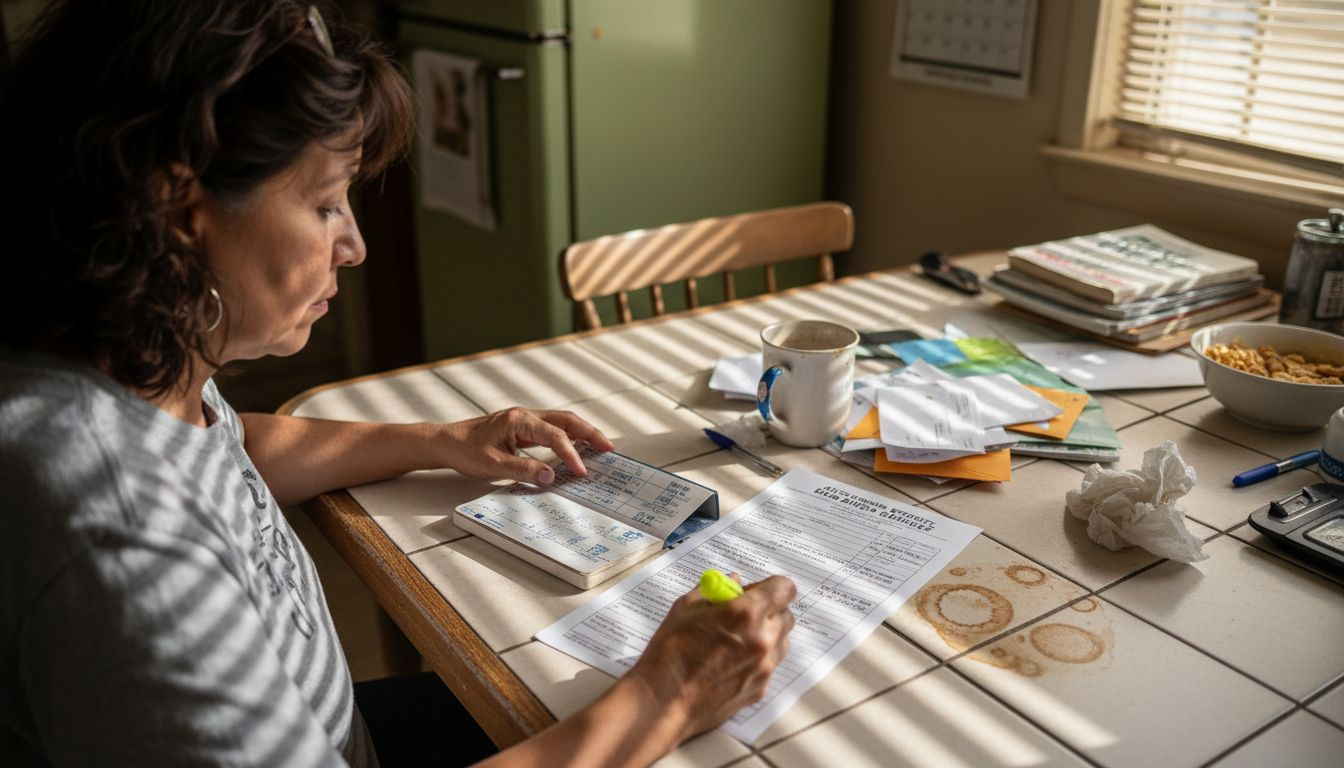
Emergency service rates reflect after-hours availability and rapid response needs. Weekend and holiday calls typically add 50% to 100% premium charges. However, waiting until Monday to save the premium often results in far greater water damage expenses.
Location within your home significantly affects costs:
- Exposed basement or crawl space pipes: easiest and cheapest to repair
- Pipes inside walls require drywall removal and replacement, adding $200 to $500
- Slab foundation repairs involving concrete cutting reach $1,500 or more
- Second-story or attic locations increase labor time and access challenges
Material type also matters. Copper pipes cost more to replace but repair reliably. PEX piping offers easier repairs but may require larger section replacement. Galvanized steel pipes, common in older San Antonio homes, often need complete repiping when damage occurs.
| Repair Type | Typical Cost Range | Timeline |
|---|---|---|
| Basic Thawing | $350 – $600 | 2-4 hours |
| Single Burst Repair | $700 – $1,000 | 4-8 hours |
| Multiple Burst Points | $1,500 – $3,000 | 1-2 days |
| Wall/Floor Opening Required | Add $300 – $800 | Add 4-6 hours |
Preventive maintenance costs pale compared to emergency repairs. Annual inspections run $100 to $200, while insulation upgrades cost $200 to $500 for vulnerable areas. These investments pay for themselves by preventing even one freeze incident. Understanding water leak repair cost estimates helps you budget for various scenarios.
Preventive Strategies to Protect Your Plumbing from Freezing
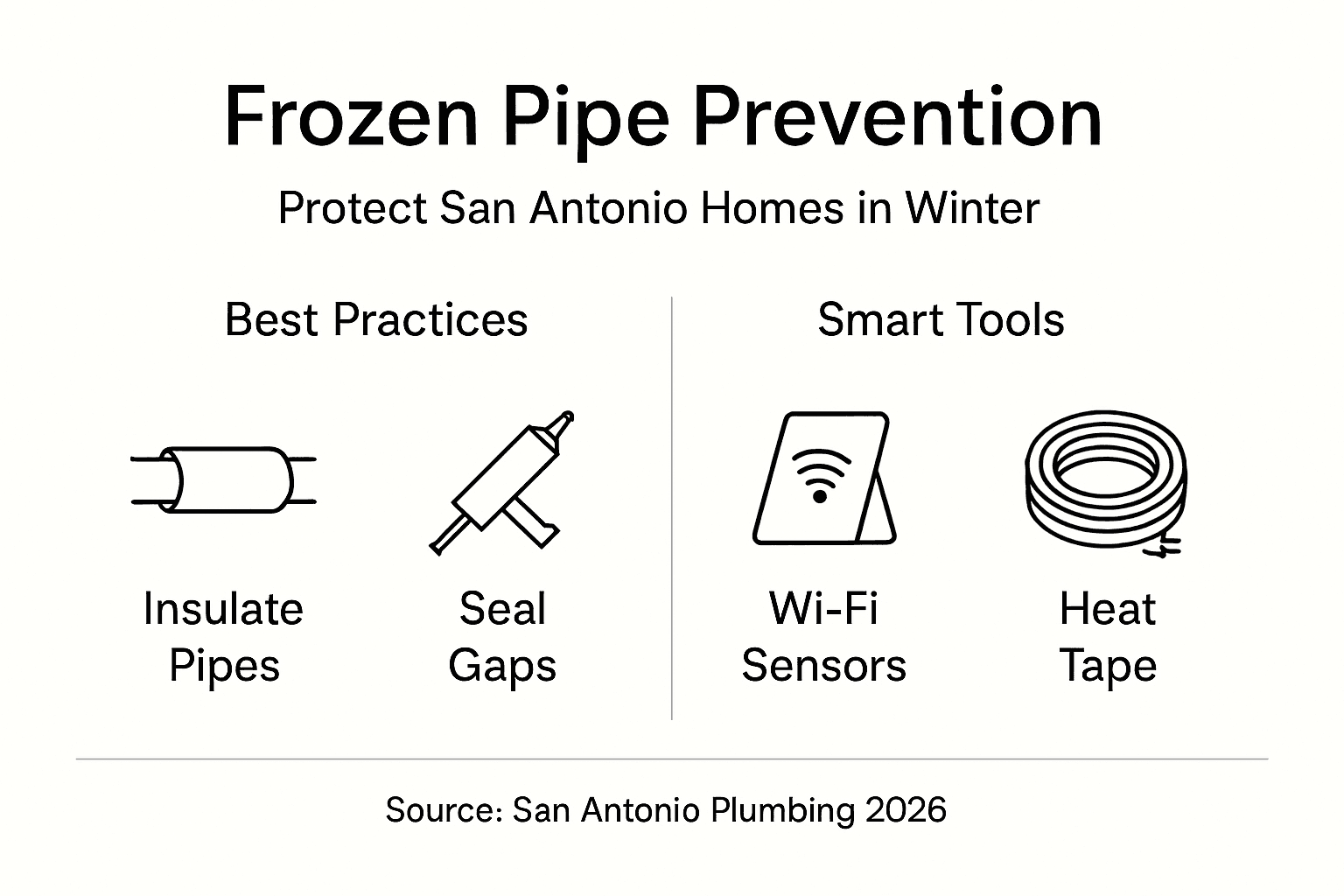
Prevention costs a fraction of repair expenses and delivers peace of mind during cold snaps. Start with pipe insulation in vulnerable areas. Foam sleeves slide over exposed pipes in attics, crawl spaces, and exterior walls, providing affordable protection for $1 to $3 per linear foot.
- Maintain minimum indoor temperatures at 55°F even when away, ensuring consistent warmth reaches pipes throughout your home.
- Seal cracks and leaks reduces freeze incidents by up to 40% by blocking cold air infiltration around pipes and through foundation gaps.
- Install heat tape or thermostatically controlled heating cables on pipes in unheated spaces, providing automatic protection during temperature drops.
- Disconnect and drain outdoor hoses, shut off exterior faucet valves, and insulate hose bibs before winter arrives.
- Open cabinet doors under sinks during cold nights, allowing warm room air to circulate around vulnerable plumbing.
- Let faucets drip slightly during extreme cold, keeping water moving to prevent freezing buildup.
Texas’s 2021 winter storm taught harsh lessons about preparation. Plumbing services were overwhelmed for weeks, leaving frozen homeowners waiting days for help. Those who had implemented preventive measures largely avoided catastrophe.
Focus insulation efforts strategically. Pipes along exterior walls need attention first, followed by attic and crawl space plumbing. Garage areas where pipes run often lack heating, making them prime freeze candidates. Even small gaps around pipe penetrations through walls invite cold air.
Winter plumbing preparation tips provide detailed guidance for San Antonio’s specific climate challenges. Our region’s freeze events tend to be short but intense, catching unprepared systems off guard. The same preparation that handles our occasional 15°F night prevents headaches that northern homeowners accept as routine winter occurrences.
Consider smart home technology for added protection. Wi-Fi thermostats alert you to dangerous temperature drops, while water sensors near vulnerable pipes provide early leak warnings. Winter plumbing inspection benefits extend beyond freeze prevention, identifying other issues before they become emergencies.
Common Misconceptions About Frozen Pipe Repair
Misconceptions about frozen pipes lead homeowners into dangerous and expensive mistakes. Understanding what’s false helps you avoid these traps and make smarter decisions when freezing threatens.
The most dangerous myth claims open flames safely thaw frozen pipes. Blowtorches, propane heaters, and even candles create severe fire hazards while risking pipe rupture from uneven heating. The rapid temperature change can crack pipes even if fire doesn’t start. This misconception causes more damage than the original freeze.
Many believe all frozen pipes require complete repiping. In reality, most freeze incidents resolve with professional thawing and minor repairs. Only severely damaged or burst sections need replacement. This misconception drives homeowners to delay calling professionals, fearing massive bills that rarely materialize.
Another widespread error assumes shutting off water is unnecessary if pipes haven’t burst yet. However, burst often happens during thawing as water begins flowing and pressure increases. Leaving water on during DIY thawing attempts turns manageable situations into flooding disasters.
Some homeowners think frozen pipes always thaw naturally once weather warms. While true sometimes, waiting risks burst pipes and water damage. The freeze-thaw cycle weakens pipe integrity, and natural thawing provides no pressure relief. By the time you discover a burst from natural thawing, significant damage has occurred.
The belief that Southern homes don’t need freeze protection ignores San Antonio’s vulnerability during polar vortex events. Our construction standards assume mild winters, leaving pipes more exposed than Northern counterparts. Texas homes actually face higher risk during cold snaps because they lack routine winterization.
Key misconceptions to reject:
- Small trickles from faucets won’t prevent freezing in extreme cold; proper flow is needed
- Antifreeze solutions designed for RVs damage home plumbing and void warranties
- Insulation alone suffices; you also need draft sealing and temperature maintenance
- All plumbers have frozen pipe expertise; choose those with specific cold-weather experience
Understanding these truths helps you respond appropriately when freezing threatens, avoiding actions that worsen situations or delay proper solutions.
Get Trusted Frozen Pipe Repair Services in San Antonio
When frozen pipes threaten your home, professional help makes all the difference between minor inconvenience and major disaster. Stultz Plumbing brings decades of experience handling San Antonio’s unique winter challenges, from sudden cold snaps to extended freeze periods that catch homeowners unprepared.
Our technicians respond quickly with specialized equipment designed for safe, effective pipe thawing. We use thermal imaging to identify frozen sections, heating cables for controlled thawing, and pressure testing to ensure repairs hold. Every service includes inspection of vulnerable areas and recommendations for preventing future freezes.
Comprehensive affordable plumbing services in San Antonio cover everything from emergency thawing to preventive insulation upgrades. We understand local construction methods, common pipe layouts in San Antonio homes, and which properties face highest freeze risk. Our emergency plumbing services operate 24/7 because frozen pipes don’t wait for business hours.
Don’t wait for the next cold snap to discover your vulnerabilities. Schedule a winter plumbing preparation inspection now. We’ll identify at-risk areas, recommend cost-effective protection measures, and ensure your plumbing system can handle whatever weather arrives. Transparent pricing means no surprises, just reliable protection for your home.
Frequently Asked Questions About Frozen Pipes Repair
How quickly should I act once I suspect a frozen pipe?
Act within hours of discovering frozen pipes to prevent bursts and minimize damage. Repair costs double if delayed beyond 24 hours after freezing detected, and every hour increases risk of pipe rupture. Shut off your main water supply immediately, then either begin safe thawing or call professionals for emergency service.
Can I safely thaw frozen pipes myself?
You can attempt thawing using warm towels, heating pads on low settings, or hairdryers with constant motion, but only if you’ve shut off the main water supply first. Never use open flames, high-heat devices, or leave heating equipment unattended. If you’re uncertain about pipe location or freezing extent, professional service prevents costly mistakes.
What are the best materials to insulate pipes in San Antonio?
Foam pipe insulation sleeves provide excellent protection for exposed pipes at minimal cost, while heat tape with thermostatic controls offers active protection for vulnerable areas. Combining insulation with proper plumbing insulation options and sealing air leaks delivers comprehensive freeze prevention. Fiberglass insulation works well for pipes in walls, but requires professional installation.
How much can preventive maintenance reduce future repair costs?
Preventive measures can reduce freeze incidents by 40% or more through strategic insulation, draft sealing, and temperature management. Regular inspections catch vulnerabilities before cold weather strikes, typically costing $100 to $200 but preventing repairs averaging $700 to $1,000. The benefits of winter plumbing inspections extend beyond freeze prevention to overall system health and longevity.
Recommended
- The Ultimate Pipe Leak Repair Guide For San Antonio
- Prevent Plumbing Problems in San Antonio’s Hot Summers
- Ways to Prepare Your Plumbing for Winter in San Antonio
- Water Leak Repair Cost: Budgeting for San Antonio Homes
Jean runs growth strategy at AimSetWin, a performance marketing agency specializing in local service businesses across Texas. he's helped plumbers, HVAC companies, pest control operators, and home service brands build predictable revenue systems using data-driven advertising and conversion optimization.


