Prepare for plumbing crises with our emergency plumbing workflow guide. Act fast to protect your home and wallet when disaster strikes!
TL;DR:
- Preparing by locating all shutoff valves and keeping an emergency checklist helps prevent panic during a plumbing crisis. Controlling water flow first and then working with emergency plumbers reduces damage, safety hazards, and repair time. Acting quickly, correctly reporting details, and following up after the incident are vital for efficient resolution and home protection.
A plumbing emergency doesn’t wait for a convenient time. A burst pipe at midnight, a toilet overflowing during a holiday gathering, or a water heater flooding your utility room can spiral from bad to catastrophic within minutes if you don’t know what to do. Having a clear emergency plumbing workflow in place before disaster strikes is the difference between a manageable repair and a full-scale restoration project. This guide walks you through exactly what to do, step by step, so you can protect your home, your family, and your wallet when urgent plumbing procedures become unavoidable.
Table of Contents
- Key takeaways
- Your emergency plumbing workflow starts before the emergency
- Step-by-step actions to take during a plumbing emergency
- How to work with emergency plumbing services for fast resolution
- Common challenges and mistakes that slow everything down
- What to do after the emergency is resolved
- My take on managing plumbing emergencies the right way
- Stultz Plumbing is ready when you need us most
- FAQ
Key takeaways
| Point | Details |
|---|---|
| Preparation cuts panic | Know your shutoff valve locations and keep an emergency plumber checklist ready before any crisis hits. |
| Control water first, repair second | Shutting off water flow immediately is the single most effective step to limit property damage. |
| Photos speed up dispatch | Sending photos to your plumber before arrival improves triage accuracy and gets the right tech to your door faster. |
| Mold starts fast | Mold can develop within 24 to 48 hours after a burst pipe, making rapid response non-negotiable. |
| Follow-up prevents recurrence | Scheduling maintenance and documenting repairs protects your home value and helps with insurance claims. |
Your emergency plumbing workflow starts before the emergency
The homeowners who handle plumbing crises best are the ones who did their homework before anything went wrong. Think of this as your 24/7 plumbing action plan that lives in your head and your home.
Locate every shutoff valve in your home. Start with the main shutoff, which is usually near your water meter, at the front of the house, or in a utility closet. Then walk through each bathroom, the kitchen, and your laundry room to find the individual fixture valves under sinks, behind toilets, and behind your washing machine. Identifying fixture valves versus the main shutoff helps dispatch teams categorize urgency and prepare resources before a technician even leaves the shop.
Here is what your pre-emergency checklist should include:
- Main water shutoff location: Write it down and post it inside a cabinet.
- Individual fixture valves: Know where they are for every toilet, sink, and appliance.
- Electrical breaker panel location: Water near electrical outlets or panels creates a serious safety hazard, so you need to cut power fast.
- Emergency contact list: Save the number of a trusted 24/7 plumber in your phone right now. Save it as “Emergency Plumber” so anyone in your household can find it.
- Basic supplies: Keep a few old towels, a mop, a bucket, and an adjustable wrench in an accessible spot.
- Gas meter location: If you smell gas, you need to know where the shutoff is and how to get everyone out fast.
Understanding common emergency plumbing issues in San Antonio homes, including slab leaks, pipe bursts from pressure spikes, and water heater failures, also helps you recognize what you’re dealing with when something goes wrong.
Pro Tip: Take a short video walkthrough of your home once a year and narrate the location of every shutoff valve. Store the video in your cloud photos. If you’re out of town and someone else needs to handle an emergency, they can watch it in seconds.
Step-by-step actions to take during a plumbing emergency
When water is actively flooding your home, you don’t have time to think. This is where a practiced step-by-step plumbing response saves everything.
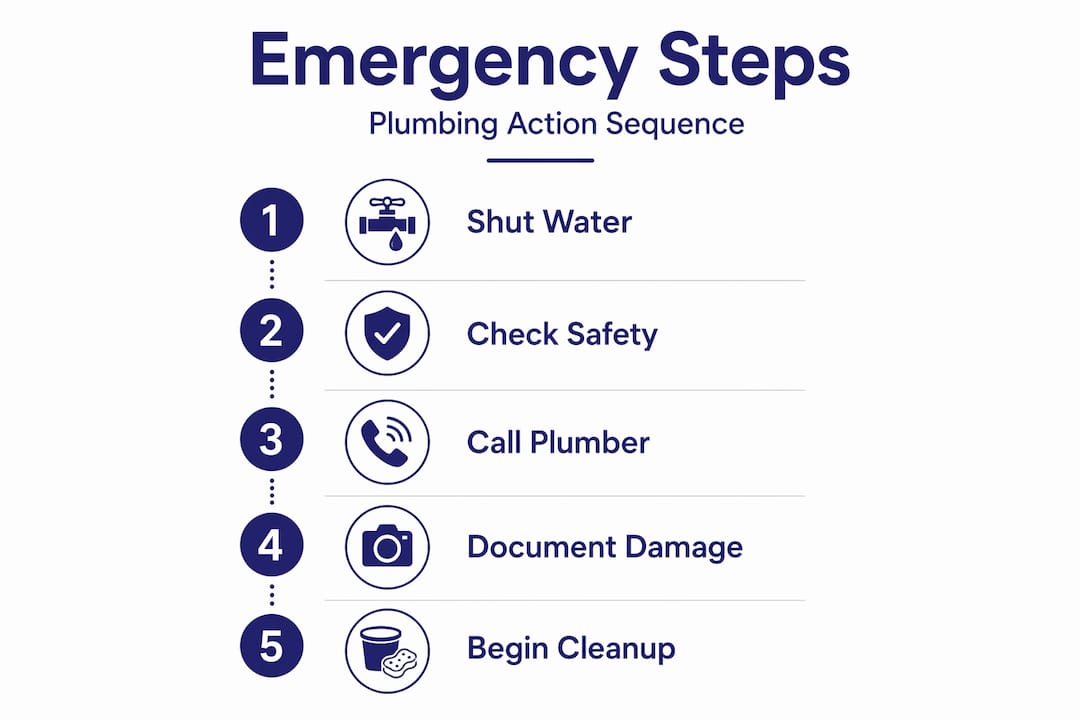
- Shut off the nearest fixture valve first. If your toilet is overflowing, turn the valve behind it counterclockwise. If it’s a sink, turn the valves under the cabinet. Shutting off the fixture valve first lets dispatch understand the scope of the problem and may be enough to stop the flow without cutting water to the whole house.
- Turn off the main water supply if the fixture valve isn’t enough. A burst pipe inside a wall or under a slab means you go straight to the main shutoff. Every second of water flow adds to the damage.
- Cut power at the breaker if water is near electrical areas. Water and electricity together are life-threatening. If flooding is near outlets, appliances, or your electrical panel, go to the breaker box and shut off the circuits in the affected zone. Do not walk through standing water to reach a plugged-in appliance.
- Move people, pets, and valuables out of the affected area. Pull rugs, move furniture, and get electronics off the floor. Water damage to flooring and subfloor happens fast.
- Contain the water. Place towels around the perimeter, use buckets under active drips, and open windows for ventilation if safe to do so.
- Call your emergency plumber from a safe location. Give them your address, describe what happened in plain language, tell them whether the water is still flowing or contained, and mention any electrical or gas concerns.
“Workflow logic prioritizes control and containment first, and repair second, to minimize damage and safety hazards.” — Precision Comfort Systems
If you smell gas at any point, stop everything. Leave the house immediately, leave the door open as you go, and call your gas utility from outside. Do not flip any light switches or use your phone inside the home. This is not a plumbing situation anymore. It’s a gas emergency.
Pro Tip: Practice turning off your main water shutoff once a year. Valves that haven’t been turned in years can seize up. A quick test also confirms it actually works before you’re relying on it in a crisis.
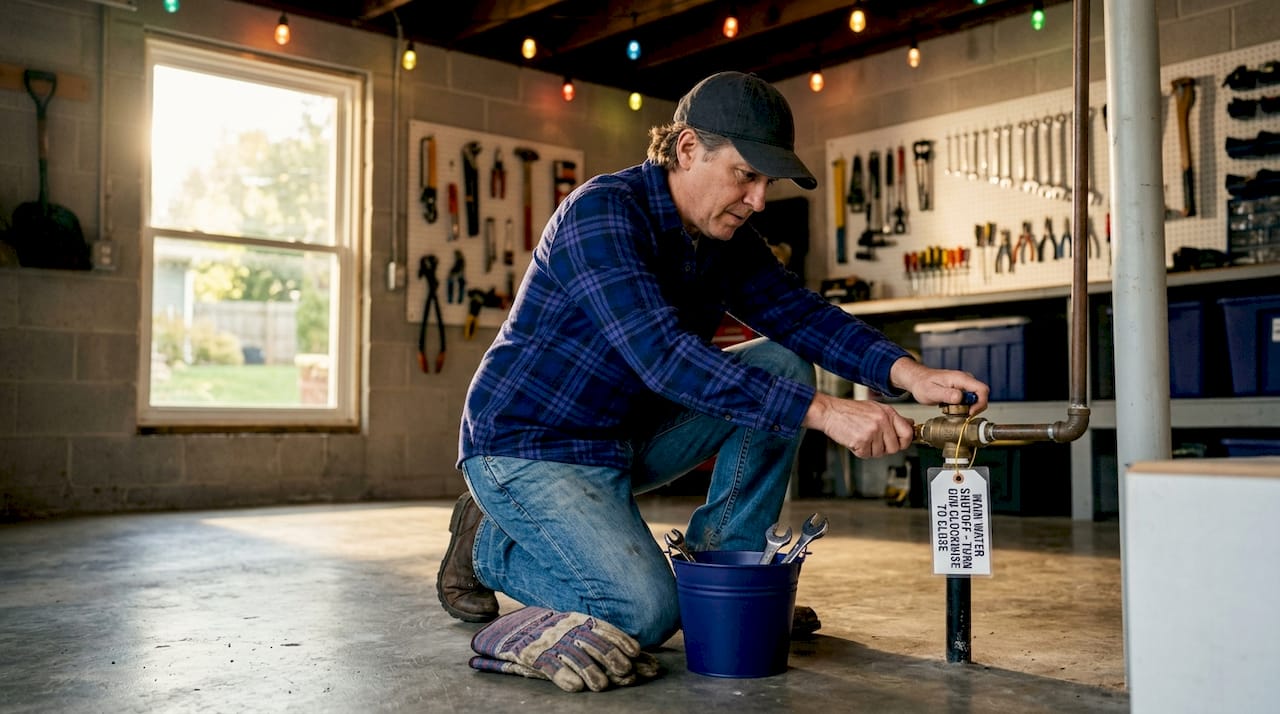
Knowing when to call an emergency plumber is part of this plumbing emergency process. If the problem involves a sewer backup, a slab leak, or flooding you cannot contain, call immediately. Don’t wait to see if it gets better on its own.
How to work with emergency plumbing services for fast resolution
How you communicate with a plumbing dispatcher matters more than most homeowners realize. A tiered emergency dispatch workflow means urgent calls escalate automatically if unanswered within 60 seconds, so you should always stay on the line and give clear information.
Here’s what to tell the dispatcher when you call:
- Your exact address, including apartment number or building name for property managers.
- The type of emergency: burst pipe, overflowing toilet, sewage backup, water heater failure, or flooding.
- Current water flow status: Is the water still running, or have you shut off the valve?
- Any safety hazards: electrical exposure, gas smell, or structural concerns like a ceiling bulging with water.
- Your callback number in case the call drops.
After the call, take photos and short videos of the damage before you clean anything up. Photo uploads and clear job notes improve triage accuracy and reduce guesswork, so dispatchers can send the right technician with the right parts. Sending a photo of a burst copper pipe versus galvanized steel tells the tech exactly what materials to bring. Dispatchers are often remote, and detailed photos bridge the information gap between what you see and what the technician needs to prepare for.
Responding to emergency calls within 5 minutes increases the likelihood of service conversion by 8 times compared to waiting 30 minutes. That cuts both ways. The faster you call and the clearer your information, the faster help arrives.
Once the technician is on the way, ask for an estimated arrival time and a callback if it changes. When they arrive, show them the shutoff you used, the affected area, and any photos you took. Let them do their assessment before asking questions, and then ask for a written explanation of what failed and what the repair involves.
For property managers handling multiple units, following a documented emergency plumber checklist for each property saves significant time and confusion when you’re juggling tenant concerns alongside the technical response.
Common challenges and mistakes that slow everything down
Even well-meaning homeowners make decisions in a crisis that turn a bad situation worse. Recognizing these mistakes in advance is part of a solid emergency repair workflow.
- Forcing stuck shutoff valves. Old gate valves can seize. If a valve won’t turn with moderate hand pressure, stop. Forcing it can snap the valve stem and leave you with no way to stop the flow at all. This is when you go straight to the main shutoff.
- Delaying the shutoff to assess the problem. Water flowing for an extra five minutes while you figure out what’s happening can mean soaked drywall, saturated subfloor, and water in your electrical system. Stop the flow first. Investigate second.
- Ignoring electrical hazards. Standing water near outlets or panels is a real electrocution risk. Do not step into flooded rooms without cutting the power first.
- DIY pipe repairs during active flooding. Tape, pipe repair clamps, and spray sealants are not emergency solutions for a burst pipe under pressure. They buy minutes, not repairs. Forcing valves or cutting drywall during active leaks can cause more damage and create additional hazards.
- Flushing toilets or running water during a sewer backup. Avoid flushing toilets or running water if sewage is backing up anywhere in the home. Every gallon of water you send into the system pushes contaminated water further into your living space.
- Running heat without protection on frozen pipes. If you suspect frozen pipes, open cabinet doors to let warm air circulate and apply gentle heat with a hairdryer starting from the faucet end. Never use an open flame or a heat gun.
Pro Tip: If your toilet is overflowing and the valve behind it won’t shut off quickly enough, lift the tank lid and push the flapper down by hand. That stops water from entering the bowl immediately while you work on the valve.
Reviewing residential plumbing troubleshooting steps before any problem strikes helps you build the muscle memory for these decisions so they feel automatic when the stress hits.
What to do after the emergency is resolved
Getting the plumber to fix the immediate problem is not the end of your rapid plumbing solutions process. What happens in the next 24 to 72 hours determines whether you get a clean recovery or a secondary disaster.
| Action | Why it matters | Timing |
|---|---|---|
| Monitor for residual leaks | Small drips behind walls can continue after repairs | First 24 hours |
| Run fans and dehumidifiers | Drying materials fast limits mold risk | Immediately after repair |
| Call water damage restoration if needed | Mold begins within 24 to 48 hours after water exposure | Within 12 hours of flooding |
| Document all damage and repairs | Photos and invoices support insurance claims and protect home value | Same day as repair |
| Schedule a follow-up inspection | Find underlying causes like aging pipes or pressure issues | Within 30 days |
Rapid professional response preserves home value and indoor air quality by limiting prolonged water exposure. The math is straightforward. A two-hour repair response paired with same-day drying costs far less than a mold remediation project three weeks later.
Ask your plumber for a written report of what was repaired, what parts were used, and any recommendations for follow-up work. Keep that document with your home records. If you sell the home, disclose the repair. If you file an insurance claim, that documentation is exactly what adjusters need.
My take on managing plumbing emergencies the right way
I’ve seen the full spectrum of plumbing emergencies in San Antonio homes, from minor under-sink leaks to burst pipes flooding entire ground floors. The pattern I keep seeing in the worst outcomes is the same every time. Homeowners waited. They watched the water spread for a few minutes hoping it would stop, or they tried a quick fix before calling for help. By the time a technician arrived, the damage had already tripled in scale.
What I’ve learned is that controlling water flow in the first two minutes is not just the first step. It is the most critical step by a wide margin. Everything else in the plumbing emergency process depends on it.
The other thing I tell every homeowner I work with: do not underestimate the electrical and gas risks during a water emergency. Most people think of plumbing as a contained problem. Water is wet, pipes break, you fix it. But water inside walls reaches outlets and panels fast, and that transforms a plumbing call into something far more serious.
Having a pre-planned emergency plumbing workflow before you ever need it changes everything. When you know where your shutoffs are, who to call, and what information to give them, you stop reacting in panic and start executing a plan. That mental shift alone reduces damage and gets repairs done faster.
— Jean
Stultz Plumbing is ready when you need us most
When a plumbing crisis hits your San Antonio home or property, you need a team that responds fast and arrives prepared. Stultz Plumbing provides 24/7 emergency plumbing services for homeowners and property managers across San Antonio and surrounding communities.
Our technicians arrive with the tools, materials, and knowledge to handle burst pipes, sewer backups, water heater failures, and more. We coordinate with restoration professionals when water damage restoration is needed so your recovery doesn’t stall between trades. Save our number before you ever need it. Explore our full range of emergency plumbing services to understand exactly what we handle, or browse our complete San Antonio plumbing services for maintenance, upgrades, and everything in between. Call Stultz Plumbing now and let us be the number you reach for first.
FAQ
What is the first step in an emergency plumbing workflow?
Shut off the nearest fixture valve first to stop water flow at the source, then move to the main shutoff if needed. Sequencing from fixture to main also helps dispatchers categorize urgency when you call for help.
When should I cut the power during a plumbing emergency?
Cut power at the breaker immediately if flooding water is near electrical outlets, panels, or appliances. Standing water in contact with live electricity is a life-threatening hazard.
What information should I give my emergency plumber when I call?
Provide your address, the type of emergency, whether the water is still flowing, any electrical or gas hazards, and your callback number. Photos and job notes sent before arrival improve technician readiness and reduce response delays.
How quickly can mold develop after a burst pipe?
Mold can begin developing within 24 to 48 hours of water exposure, which is why drying and restoration must begin the same day as the repair.
Should I flush toilets during a sewer backup?
No. Stop all water use in the home during a sewer backup. Flushing toilets or running water forces more contaminated sewage into your living space and worsens the backup significantly.
Recommended
- Handle plumbing emergencies: step-by-step guide 2026
- Residential plumbing troubleshooting: a step-by-step guide
- Emergency Plumbing Guide for Fast Home Solutions
- 7 Essential Emergency Plumbing Tips for Homeowners
Jean runs growth strategy at AimSetWin, a performance marketing agency specializing in local service businesses across Texas. he's helped plumbers, HVAC companies, pest control operators, and home service brands build predictable revenue systems using data-driven advertising and conversion optimization.