

Expert guide for Texas commercial property managers on pool pipe repair. Learn compliant methods, minimize downtime, and ensure safety with proven techniques.
A leaking pool pipe can cost commercial property managers thousands in repairs and lost revenue. Beyond the financial hit, guest dissatisfaction and safety risks mount with each hour of downtime. This guide walks you through expert pipe repair steps ensuring Texas compliance, durable results, and minimal operational disruption so you can restore service fast.
Table of Contents
- Prerequisites And Initial Assessment
- Materials And Tools Selection
- Step-By-Step Repair Procedure
- Troubleshooting And Common Mistakes
- Regulatory Compliance And Safety In Texas
- Expected Results And Minimizing Downtime
- Preventive Maintenance Benefits
- Get Expert Commercial Pool Plumbing Repair In Texas
- Frequently Asked Questions About Commercial Pool Pipe Repair In Texas
Key takeaways
| Point | Details |
|---|---|
| Early detection saves money | Early leak detection reduces costs by up to 30%, catching problems before major damage occurs. |
| PVC and solvent welding ensure compliance | PVC pipes with proper adhesives meet Texas codes and restore up to 95% of original pipe strength. |
| Proper curing prevents failures | Allowing full cure time before pressurizing prevents premature leaks and costly rework. |
| Downtime can be minimized | Strategic planning limits pool closure to 24-48 hours, reducing guest impact and revenue loss. |
| Preventive care extends lifespan | Routine inspections add 20-25 years to pipe systems, avoiding emergency repairs. |
Prerequisites and initial assessment
Before starting any commercial pool pipe repair, gathering the right tools and conducting a thorough assessment prevents costly mistakes. Electronic leak detection equipment pinpoints fault locations accurately, eliminating guesswork and reducing labor time. Safety gear including chemical-resistant gloves, impact goggles, and respiratory masks protects workers from solvent fumes and pool chemicals.
A compliance checklist tailored to Texas commercial pool regulations ensures every repair meets state standards. Early leak detection reduces repair costs by up to 30% by catching small issues before they cascade into major system failures. Property managers who invest in professional water leak detection methods avoid the expense of exploratory excavation and repeated repair attempts.
Your initial inspection should document:
- Exact leak location using electronic detection tools
- Pipe material type and age to determine compatibility
- Surrounding structural damage or corrosion patterns
- Water pressure readings before shutdown
- Accessibility constraints that may extend repair time
This preparation phase typically takes two to four hours but pays dividends throughout the repair process. Documenting existing conditions with photos and measurements creates a baseline for verifying repair quality and defending against future liability claims.
Materials and tools selection
Choosing compliant materials makes the difference between a repair that lasts decades and one that fails within months. PVC pipes dominate 85% of Texas commercial repairs because they resist chlorine corrosion and meet state plumbing codes without exception. Schedule 40 PVC handles typical pool pressures while Schedule 80 provides extra strength for high-pressure circulation systems.
Specialized solvent welding adhesives create molecular bonds stronger than the pipe itself when applied correctly. Purple primer cleans and softens pipe surfaces while clear or gray cement fuses joints permanently. Texas commercial pool plumbing codes mandate NSF-certified adhesives rated for continuous water contact and chlorine exposure.
Pro Tip: Always verify material certifications before purchase. Counterfeit or uncertified products may look identical but fail prematurely, voiding warranties and creating liability exposure.
| Material/Tool | Purpose | Specification |
|---|---|---|
| Schedule 40 PVC pipe | Standard pressure applications | NSF-61 certified, chlorine resistant |
| Schedule 80 PVC pipe | High-pressure circulation | Thicker walls, higher burst rating |
| Purple primer | Surface preparation | VOC-compliant formulation |
| PVC cement | Permanent bonding | Medium or heavy-body for gap filling |
| Pipe cutter | Clean cuts | Ratcheting or wheel-style for precision |
| Deburring tool | Edge smoothing | Prevents weak joints and leaks |
Essential tools include:
- Ratcheting PVC cutter for clean, square cuts
- Deburring tool to smooth cut edges
- Applicator daubers sized to pipe diameter
- Clean rags free of lint or debris
- Pressure gauge for post-repair testing
Pipe repair clamps serve only as temporary stopgaps during emergencies. While they reduce immediate downtime, clamps lack the strength and compliance status of proper solvent-welded repairs. Plan to replace clamped sections with permanent repairs within 30 days to avoid code violations during inspections.
Step-by-step repair procedure
Executing repairs methodically ensures durability and compliance. Start by shutting down the circulation system and draining the affected pipe section completely. Any residual water prevents proper adhesive bonding and guarantees joint failure.
Cut out the damaged pipe section at least six inches beyond visible damage on each side. Corrosion and stress fractures often extend beyond what’s visible on the surface. Use a ratcheting PVC cutter for clean, perpendicular cuts. Hacksaw cuts create ragged edges that compromise joint integrity.
Follow this sequence for permanent repairs:
- Measure and cut replacement pipe sections to exact length, accounting for socket depth on fittings.
- Dry-fit all pieces to verify alignment before applying any adhesive.
- Sand pipe ends and fitting sockets with 80-grit sandpaper to remove gloss and improve adhesion.
- Apply purple primer liberally to both pipe end and fitting socket, covering at least two inches of surface.
- While primer is still wet, apply a heavy, even coat of PVC cement to both surfaces.
- Push pipe into fitting with a quarter-turn twist to distribute cement evenly.
- Hold joint firmly for 30 seconds to prevent pushout as solvent begins curing.
- Wipe excess cement with a clean rag and inspect for complete coverage around the joint.
Proper solvent welding restores up to 95% pipe strength when executed correctly. The chemical reaction fuses PVC at the molecular level, creating a joint as strong as the surrounding pipe material.
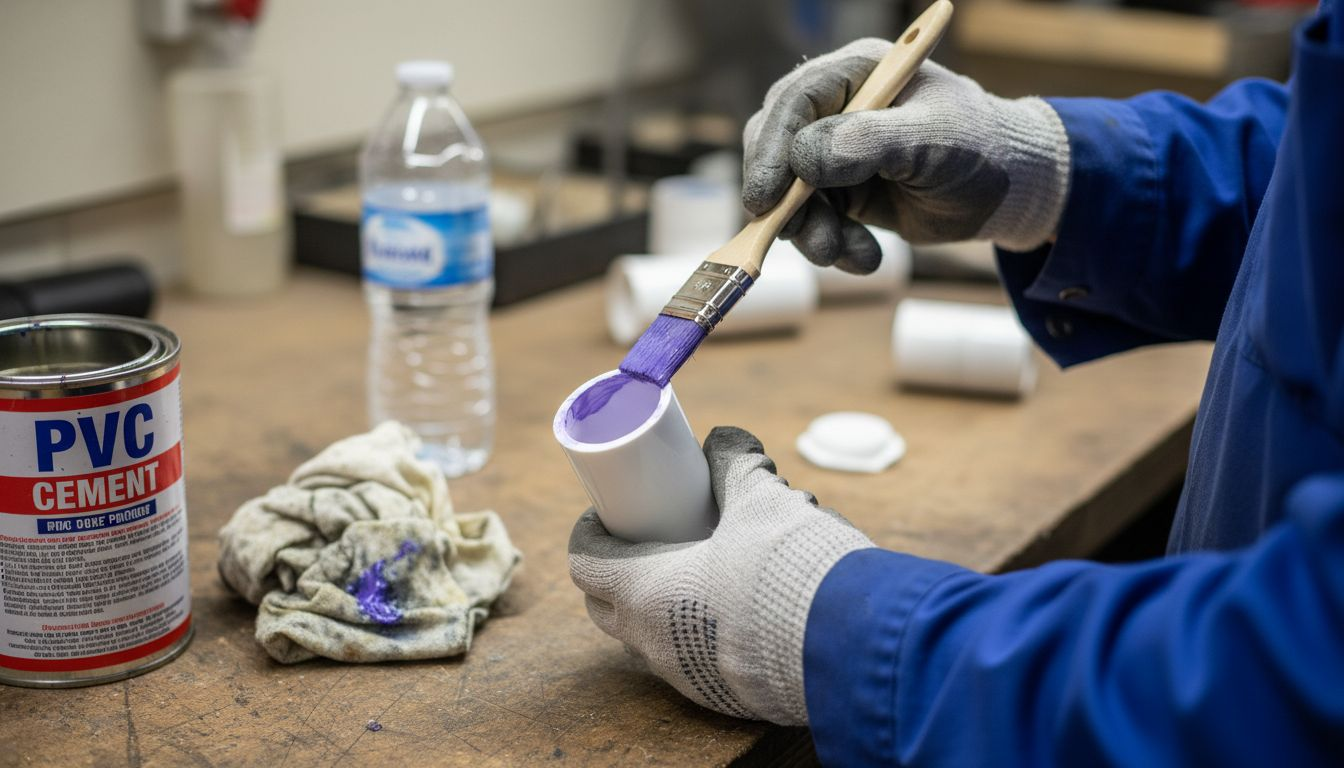
Pro Tip: Ambient temperature affects cure time dramatically. Add 50% more curing time when working in temperatures below 60°F, or schedule repairs during warmer parts of the day.
Allow full cure time before pressurizing the system. Most medium-body cements require 24 hours for full cure at normal temperatures. Rushing this step causes the most common repair failures. Test the repaired section under full operating pressure for at least four hours before declaring success. Monitor joints closely for any weeping or pressure drops that indicate incomplete bonding. Detailed pipe repair procedures provide additional technical guidance for complex installations.
Troubleshooting and common mistakes
Even experienced technicians make errors that compromise repair quality. Understanding these pitfalls helps you avoid them or correct issues before they cause system failures.
Improper adhesive application causes 20% of commercial pool pipe repair failures. Common adhesive mistakes include applying too little cement, failing to prime surfaces first, or using expired products. Check manufacture dates and store adhesives in cool, dry locations. Cement that’s separated or thickened has lost effectiveness and should be discarded.
Pipe repair clamps tempt property managers seeking faster repairs, but long-term use invites problems:
- Clamps experience 40% failure rates beyond one year of service
- Metal components corrode from chlorine exposure
- Rubber gaskets degrade and lose compression
- Clamps don’t meet Texas code for permanent installations
- Inspector findings require immediate replacement and potential fines
Skipping or shortening cure time ranks among the most expensive mistakes. Pressurizing joints before full cure disrupts the molecular bonding process. The joint may hold initially but fails weeks later under normal operating stress. This creates liability exposure if the failure injures guests or damages property.
Verifying leak detection accuracy before cutting prevents wasted effort. Electronic detection occasionally produces false positives from electrical interference or equipment malfunction. Visual confirmation or dye testing validates the location before committing to invasive repairs. Common repair failure causes often trace back to rushing the diagnostic phase.
Environmental factors also impact success:
- Working in direct sunlight softens PVC and distorts measurements
- High humidity slows solvent evaporation and extends cure times
- Dust or debris contamination weakens joints
- Inadequate ventilation concentrates toxic fumes
The pipe repair clamps evaluation provides detailed analysis of failure modes and alternative approaches. Learning from others’ mistakes proves far less expensive than repeating them.
Regulatory compliance and safety in Texas
Texas commercial pool plumbing codes exist to protect public health and safety. Non-compliance triggers fines up to $5,000 and mandates rework affecting 15% of substandard repairs. Understanding these requirements protects your business from regulatory action and liability exposure.
Texas codes specifically require:
- NSF-61 certified PVC pipe and fittings for all potable water contact
- Solvent cement rated for continuous chlorine exposure
- Proper support spacing to prevent sagging and stress concentrations
- Pressure testing documentation before final approval
- Licensed plumber oversight for commercial installations
Safety protocols during repairs protect workers and facility users. Solvent fumes contain volatile organic compounds requiring adequate ventilation and respiratory protection. Chemical-resistant gloves prevent skin irritation from primers and cements. Impact-rated safety glasses shield eyes from splashing liquids and flying debris during cutting operations.
Documentation proves compliance during inspections and liability claims. Photograph repairs before covering them, maintain material receipts showing certification numbers, and log pressure test results with date and technician signatures. This paper trail demonstrates due diligence and professional standards.
Texas plumbing regulations evolve periodically as new materials and methods emerge. Staying current through continuing education and industry publications prevents inadvertent violations. County and municipal codes sometimes impose stricter requirements than state minimums. Verify local standards before starting work to avoid surprises during final inspections.
Best practices that exceed code minimums include:
- Double-checking all measurements before cutting
- Using expansion fittings on long straight runs
- Installing unions for future serviceability
- Color-coding piping systems for quick identification
- Maintaining as-built drawings showing repair locations
These extra steps add minimal cost but deliver significant long-term value through easier maintenance and faster troubleshooting.
Expected results and minimizing downtime
Commercial property managers must balance repair quality against operational disruption. Strategic planning keeps pools available for guests while ensuring durable, compliant repairs.
Typical repair timelines for solvent-welded PVC replacements span 24 to 48 hours from shutdown to reopening. This includes draining, repair execution, curing time, and pressure testing. Simple single-joint repairs may complete faster while complex multi-section replacements require the full window.
Scheduling repairs during low-occupancy periods minimizes guest impact. Weekday mornings in shoulder seasons often provide ideal conditions with fewer users and moderate temperatures supporting proper curing. Communicate closure schedules prominently to manage guest expectations and prevent complaints.
| Repair Method | Strength Recovery | Typical Downtime | Code Compliance | Long-Term Cost |
|---|---|---|---|---|
| Solvent welding | 95% | 24-48 hours | Full compliance | Lowest |
| Pipe repair clamps | 60% | 2-4 hours | Temporary only | Highest (requires replacement) |
| Mechanical couplings | 85% | 8-12 hours | Compliant if certified | Moderate |
Clamps reduce immediate downtime but create long-term problems. Emergency situations may justify temporary clamps to restore service quickly, but schedule permanent repairs within 30 days. This two-stage approach balances urgent operational needs against regulatory compliance and durability.
Emergency versus scheduled repairs require different approaches:
- Emergency repairs prioritize service restoration using any compliant method available
- Scheduled repairs optimize for long-term durability and cost efficiency
- Preventive replacements during planned shutdowns avoid emergency situations entirely
Communicate realistic timelines to stakeholders. Overpromising and underdelivering damages credibility more than honest upfront projections. Build contingency time into schedules for unexpected complications like hidden damage or material delivery delays. Understanding repair timelines and outcomes helps set appropriate expectations.
Preventive maintenance benefits
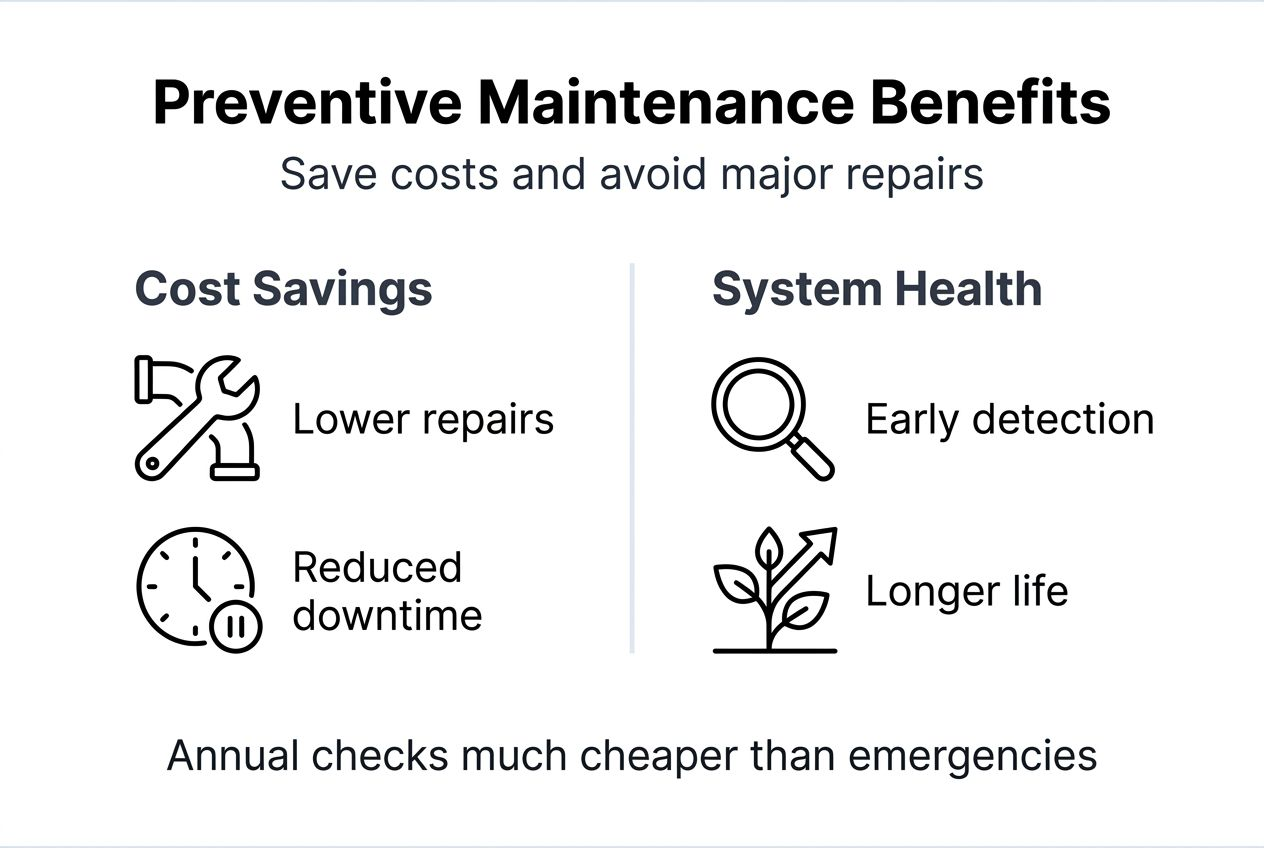
Proactive pipe care delivers better returns than reactive emergency repairs. Routine inspections add 20 to 25 years to commercial pool pipe systems by catching wear before it becomes failure. The cost differential between planned maintenance and emergency repairs often exceeds 300%.
Preventive maintenance programs should include:
- Quarterly visual inspections of exposed piping for corrosion or stress cracks
- Annual pressure testing to verify system integrity
- Biannual chemical balance verification to minimize corrosive conditions
- Monthly circulation system performance checks
- Documentation of all findings and corrective actions
Early detection identifies minor issues requiring simple repairs rather than major system replacements. A small leak caught during inspection might need only a single joint repair. That same leak left undetected for months could undermine surrounding concrete and require extensive structural work.
Cost-benefit analysis strongly favors preventive care. A comprehensive annual inspection costs $500 to $1,200 while emergency repairs average $3,000 to $8,000 plus downtime losses. Property managers who budget for routine maintenance avoid budget-busting surprise expenses and maintain consistent service quality.
Pro Tip: Schedule major inspections and maintenance during traditional off-peak seasons. Fall and early spring provide ideal conditions with moderate temperatures and lower occupancy, minimizing disruption while supporting optimal repair conditions.
Preventive maintenance strategies extend beyond just pipes to encompass pumps, filters, heaters, and chemical systems. Integrated approaches identify systemic issues affecting multiple components. For example, improper chemical balance accelerates pipe corrosion while also damaging pump seals and filter media.
Maintenance contracts with qualified service providers offer several advantages:
- Scheduled service prevents oversight and forgotten tasks
- Experienced technicians spot problems property staff might miss
- Bulk service agreements often reduce per-visit costs
- Established relationships speed emergency response when needed
Documenting maintenance history adds value during property transactions and demonstrates responsible management during liability claims. Complete records showing regular professional service support higher property valuations and provide legal protection.
Get expert commercial pool plumbing repair in Texas
When commercial pool pipe issues threaten your operations, professional repair ensures compliance and minimizes costly downtime. Stultz Plumbing’s certified technicians bring decades of experience handling Texas commercial pool systems, from emergency leak repairs to complete circulation system replacements. We understand the unique pressures property managers face balancing guest satisfaction against repair necessities.
Our commercial plumbing services include flexible scheduling during low-occupancy periods and expedited emergency response when leaks can’t wait. Every repair meets or exceeds Texas commercial codes, backed by comprehensive documentation for your inspection records. Transparent pricing and detailed estimates prevent budget surprises. Whether you need immediate temporary repairs or permanent solutions, our team delivers affordable plumbing services that protect your investment. Contact Stultz Plumbing today for fast, reliable commercial pool pipe repair across San Antonio and surrounding Texas communities.
Frequently asked questions about commercial pool pipe repair in Texas
How long does a typical commercial pool pipe repair take?
Most solvent-welded PVC repairs require 24 to 48 hours from system shutdown to full operation. Simple single-joint repairs may complete in 24 hours while complex multi-section replacements need the full 48-hour window for proper curing and testing.
Can I use pipe repair clamps as a permanent solution?
No, pipe repair clamps serve only as temporary emergency fixes. Texas codes require permanent repairs using approved methods like solvent welding. Clamps experience 40% failure rates beyond one year and don’t meet commercial compliance standards.
What materials are required to meet Texas codes?
Texas commercial pool codes mandate NSF-61 certified Schedule 40 or 80 PVC pipe with solvent cement rated for continuous chlorine exposure. All materials must carry proper certifications and be installed by licensed professionals following manufacturer specifications.
How often should preventive maintenance be done?
Conduct visual inspections quarterly and comprehensive pressure testing annually. This schedule catches wear before it becomes failure and typically adds 20 to 25 years to pipe system lifespan compared to reactive-only maintenance approaches.
What are common reasons repairs fail in commercial pools?
The top failure causes include improper adhesive application, insufficient curing time before pressurization, using non-compliant materials, and relying on temporary clamps long-term. Environmental factors like extreme temperatures during installation also compromise joint integrity.
Recommended
- Commercial plumbing maintenance tips for Texas 2026
- The Ultimate Pipe Leak Repair Guide For San Antonio
- Pool Heater Repair Cost: What San Antonio Homeowners Pay
- Get Pool Heater Services In San Antonio Today !
Jean runs growth strategy at AimSetWin, a performance marketing agency specializing in local service businesses across Texas. he's helped plumbers, HVAC companies, pest control operators, and home service brands build predictable revenue systems using data-driven advertising and conversion optimization.


