

Expert commercial plumbing maintenance tips for Texas property managers in 2026. Reduce emergency repairs by 30% with proactive strategies, water quality management, and code compliance.
Commercial property managers in Texas face a constant challenge: keeping plumbing systems running smoothly while minimizing emergency repairs and expenses. Inadequate maintenance leads to costly failures, water damage, and operational disruptions. This guide delivers expert, Texas-specific plumbing maintenance tips designed to help you reduce emergency repairs, extend system longevity, and ensure efficient operations across your properties.
Table of Contents
- Selection Criteria: Evaluating Commercial Plumbing Maintenance Tips
- Routine Inspection And Monitoring
- Water Quality Management For Longevity
- Drain And Sewer Maintenance Best Practices
- Proactive Repair And Replacement Strategies
- Regulatory Compliance And Maintenance In Texas
- Summary Comparison And Situational Recommendations
- Expert Commercial Plumbing Services In Texas
Key takeaways
| Point | Details |
|---|---|
| Regular biannual inspections reduce emergency repairs by up to 30% | Scheduled system checks catch issues early and prevent costly failures |
| Managing Texas hard water with softeners cuts corrosion-related maintenance by 25% | Water treatment protects pipes and reduces long-term repair expenses |
| Mechanical drain cleaning lowers pipe damage versus chemical methods | Chemical cleaners increase repair frequency by 15% compared to safer mechanical options |
| Proactive repairs minimize costly water damage incidents by 35% | Strategic replacements prevent emergency failures and optimize maintenance budgets |
| Compliance with Texas plumbing codes avoids fines and contamination risks | Regular code adherence protects health standards and legal standing |
Selection criteria: evaluating commercial plumbing maintenance tips
Choosing the right plumbing maintenance strategy requires understanding several critical factors specific to Texas commercial properties. Your decisions directly impact repair costs, system longevity, and operational safety.
Maintenance frequency forms the foundation of cost control. Properties with regular inspection schedules experience fewer emergency incidents and lower overall repair expenses. Texas’s unique water quality demands targeted treatment approaches, as the state’s hard water accelerates corrosion and mineral buildup. Your inspection scope and techniques determine how early you detect problems before they escalate into expensive failures.
Proactive maintenance consistently demonstrates better cost-benefit ratios than reactive repairs. When you address small issues during scheduled maintenance, you avoid the premium costs associated with emergency service calls and water damage restoration. Compliance with Texas plumbing codes ensures you meet legal requirements while protecting building occupants from contamination risks.
Consider these key factors when evaluating maintenance approaches:
- Frequency of inspections and maintenance tasks based on property age and usage patterns
- Water quality treatment needs specific to your Texas location
- Detection methods that identify issues before they cause system failures
- Cost comparison between scheduled maintenance and emergency repair scenarios
- Regulatory compliance requirements mandated by Texas plumbing codes
Routine inspection and monitoring
Establishing a consistent inspection schedule provides the foundation for effective commercial plumbing maintenance. Biannual full-system inspections allow you to identify leaks, corrosion, and damaged components before they trigger emergency situations.
Focus your inspections on both visual and functional tests. Examine exposed pipes for signs of corrosion, check valves for proper operation, and test water fixtures for leaks or pressure irregularities. Use an annual plumbing inspection checklist to ensure comprehensive coverage of all critical system components.
Specialized tools enhance inspection effectiveness. Moisture meters detect hidden leaks behind walls or under floors, while pressure gauges reveal system imbalances that strain pipes and fixtures. Thermal imaging cameras identify temperature variations that signal water flow problems or insulation failures.
Regular scheduled commercial plumbing inspections can reduce emergency plumbing repairs by up to 30%. This significant reduction translates directly to lower maintenance budgets and fewer operational disruptions. Properties with older plumbing systems or high water usage should consider quarterly inspections to catch accelerated wear patterns.
Set up monitoring protocols between formal inspections:
- Train maintenance staff to recognize early warning signs like water stains or unusual sounds
- Document baseline readings for water pressure and flow rates
- Track changes over time to identify gradual deterioration
- Establish response procedures when monitoring reveals developing issues
- Review a winter plumbing checklist seasonally to address temperature-related concerns
Pro Tip: Schedule inspections during slower operational periods to minimize disruption, and maintain detailed records that track system changes over multiple inspection cycles.
Water quality management for longevity
Texas’s water quality directly impacts your plumbing system’s lifespan and maintenance requirements. Hard water prevalent in Texas accelerates pipe corrosion, increasing maintenance needs by 25%. Mineral deposits accumulate inside pipes, reducing flow capacity and creating conditions that promote corrosion.
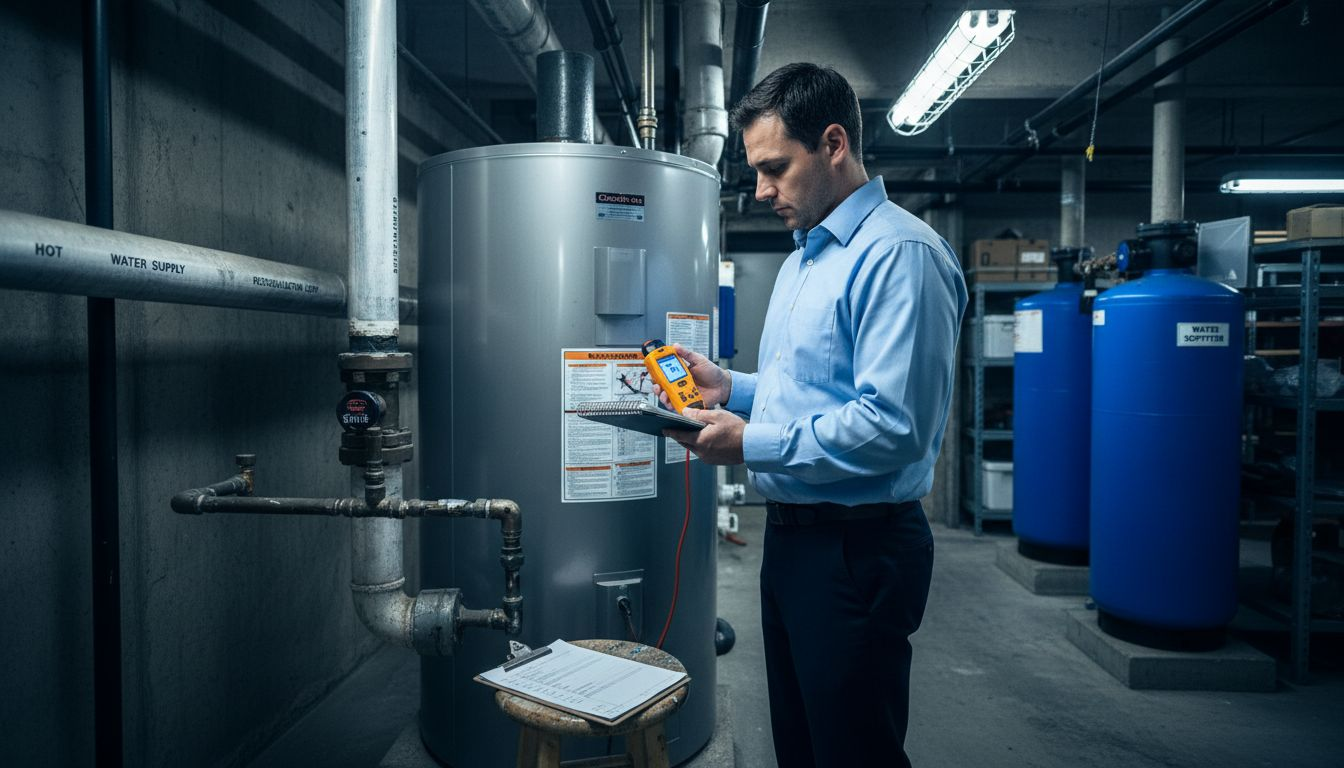
Commercial-grade water softeners provide effective protection against hard water damage. These systems remove calcium and magnesium ions that cause scaling, reducing corrosion and lowering maintenance costs by approximately 20% over five years. Property managers see measurable improvements in hard water plumbing effects within months of installation.
Annual water quality testing identifies hardness levels and corrosive substances early. Testing reveals specific mineral concentrations, pH levels, and contaminants that affect plumbing integrity. Use test results to calibrate water treatment systems and adjust maintenance schedules based on actual conditions rather than assumptions.
Best practices for water quality management include:
- Professional water softener installation sized appropriately for commercial demand
- Regular descaling procedures for water heaters and high-use fixtures
- Systematic sediment flushing to prevent accumulation in pipes and tanks
- Quarterly monitoring of water treatment system performance
- Documentation of water quality trends to predict maintenance needs
Monitor the impact of water treatment on system efficiency. Track metrics like pressure consistency, flow rates, and equipment performance before and after implementing treatment solutions. When you notice improvements in these areas, you confirm that your water quality management strategy effectively protects your plumbing investment. Review managing hard water tips regularly to optimize your approach.
Pro Tip: Install water quality sensors at key system points to provide real-time data on treatment effectiveness and alert you to sudden changes requiring immediate attention.
Drain and sewer maintenance best practices
Drain and sewer maintenance requires careful method selection to balance cleaning effectiveness with pipe preservation. Mechanical, chemical-free drain cleaning is preferable, reducing pipe degradation by 40% compared to chemical cleaners. This approach uses physical tools like augers and hydro-jetting to remove clogs without introducing corrosive substances.
Chemical drain cleaners increase commercial plumbing repair frequency by about 15% compared to mechanical methods. These products contain harsh acids or bases that dissolve organic matter but also attack pipe materials, particularly older cast iron and galvanized steel systems. Repeated chemical use accelerates wear and leads to premature pipe replacement.
Recommended cleaning intervals range from every 6 to 12 months based on drain usage and historical issues. High-traffic facilities like restaurants or healthcare properties benefit from more frequent cleaning, while office buildings with moderate usage typically manage well with annual service. Schedule drain cleaning based on your property’s specific patterns rather than arbitrary timelines.
Regular mechanical cleaning prevents clogs and safeguards pipe integrity:
- Professional hydro-jetting removes buildup without chemical damage
- Video camera inspections identify problem areas before they cause backups
- Preventive cleaning eliminates slow drains before they become complete blockages
- Grease trap maintenance for food service properties prevents sewer line contamination
- Root intrusion monitoring for properties with landscape irrigation near sewer lines
| Cleaning Method | Effectiveness | Pipe Safety | Cost | Frequency |
|---|---|---|---|---|
| Chemical cleaners | Moderate | Low (damages pipes) | Low upfront | As needed |
| Mechanical snaking | Good | High | Moderate | Every 6-12 months |
| Hydro-jetting | Excellent | High | Higher | Annually |
| Video inspection | Diagnostic only | High | Moderate | Biannually |
Monitor signs that indicate cleaning needs between scheduled services. Slow drainage, gurgling sounds, or persistent odors signal developing clogs that require attention. Understanding regular drain cleaning benefits helps you prioritize this critical maintenance task.
Pro Tip: Combine video inspections with mechanical cleaning to document pipe condition before and after service, creating a visual record that guides future maintenance decisions.
Proactive repair and replacement strategies
Strategic repair and replacement decisions minimize emergency failures and optimize maintenance budgets. Proactively replacing aging pipes reduces water damage claims by 35%. This dramatic reduction stems from addressing deterioration before catastrophic failures occur, avoiding the compounded costs of emergency repairs plus property damage restoration.
Installing pressure regulators cuts pipe bursts by 25% and lowers maintenance costs by 18%. Excessive water pressure stresses pipe joints, accelerates wear on fixtures, and increases the likelihood of sudden failures. Regulators maintain consistent pressure within safe operating ranges, extending the lifespan of your entire plumbing system.
Decision-making should weigh multiple factors beyond immediate repair costs. Consider pipe age, material composition, and visible condition when evaluating repair versus replacement options. Pipes approaching the end of their expected lifespan often benefit more from replacement, even when current damage seems repairable. Review water heater repair or replacement signs to apply similar logic across your plumbing systems.
Balance repair costs against emergency repair risk:
- Calculate the total cost of ownership including repair frequency and emergency premiums
- Evaluate whether multiple small repairs exceed replacement costs over 2 to 3 years
- Assess whether repairs address root causes or merely postpone inevitable failures
- Consider operational disruption costs when emergency failures occur during business hours
- Factor in insurance deductibles and premium increases following water damage claims
| Strategy | Upfront Cost | Long-term Cost | Emergency Risk | Lifespan Extension |
|---|---|---|---|---|
| Reactive repairs only | Low | High | High | Minimal |
| Scheduled repairs | Moderate | Moderate | Moderate | Moderate |
| Proactive replacement | High | Low | Low | Maximum |
| Pressure regulation | Moderate | Very Low | Very Low | Significant |
Regularly review maintenance records to identify patterns that signal systemic issues. When specific pipe sections require repeated repairs, replacement becomes more cost-effective than continuing spot fixes. Schedule timely interventions during planned downtime rather than waiting for failures that force unscheduled service disruptions.
Pro Tip: Create a replacement schedule based on pipe material lifespans (copper 50 years, galvanized steel 20-50 years, PVC 25-40 years) and adjust timelines based on actual condition assessments.
Regulatory compliance and maintenance in Texas
Texas plumbing codes establish minimum standards that protect public health and ensure system reliability. Compliance forms an essential component of effective maintenance rather than just a legal obligation. Maintenance of mandatory backflow prevention devices is required to prevent contamination of potable water supplies. These devices need annual testing and certification by licensed professionals.
Adhering to Texas plumbing codes helps you avoid fines while meeting health standards that protect building occupants. Code violations discovered during inspections can trigger enforcement actions, retrofit requirements, and liability exposure if contamination incidents occur. Regular compliance checks cost far less than penalties and remediation expenses.
Documenting all inspections and repairs supports compliance verification during health department or building inspector reviews. Maintain detailed records that include dates, technician credentials, work performed, and test results. Digital documentation systems make records easily accessible and demonstrate your commitment to proper maintenance practices.
Regular training or consultation on code updates ensures ongoing compliance:
- Subscribe to Texas State Board of Plumbing Examiners updates for rule changes
- Schedule annual compliance audits with licensed plumbing contractors
- Train facility staff to recognize code-related issues during daily operations
- Review Texas commercial plumbing services requirements for your property type
- Establish relationships with code officials to clarify interpretation questions
Integration of compliance checks into routine maintenance schedules represents best practice. Rather than treating code compliance as separate from maintenance, incorporate regulatory requirements into your standard inspection and service procedures. This approach ensures you never overlook mandatory tasks and spreads compliance costs across regular maintenance budgets.
Summary comparison and situational recommendations
Comparing maintenance approaches helps you select optimal strategies for your specific property conditions. Inspection frequencies show biannual scheduling is optimal for emergency reduction, balancing thoroughness with cost-effectiveness. More frequent inspections benefit properties with aging infrastructure or high-consequence failure risks.
Water quality options vary in cost and corrosion impact. Commercial water softeners require higher initial investment but deliver substantial long-term savings through reduced repair frequency. Properties with moderate hardness might manage with descaling procedures alone, while those facing severe hard water conditions need comprehensive treatment systems.
Drain cleaning methods differ significantly in effectiveness and pipe safety. Mechanical approaches provide superior long-term value despite higher per-service costs. Chemical methods offer false economy, creating pipe damage that compounds maintenance expenses over time.
| Maintenance Factor | Option 1 | Option 2 | Best For |
|---|---|---|---|
| Inspection frequency | Biannual | Quarterly | Biannual for most properties, quarterly for aging systems |
| Water treatment | Softener system | Descaling only | Softener for severe hardness, descaling for moderate |
| Drain cleaning | Mechanical | Chemical | Mechanical for all commercial properties |
| Repair strategy | Proactive replacement | Reactive repairs | Proactive for aging pipes, reactive for new systems |
Proactive maintenance options consistently outperform reactive approaches in cost analysis:
- Properties with frequent repairs benefit most from systematic replacement programs
- Buildings facing hard water issues need comprehensive treatment rather than piecemeal solutions
- Facilities with aging infrastructure should prioritize proactive replacement over continued repairs
- High-occupancy properties require more aggressive maintenance schedules to minimize disruption
- Properties with previous water damage claims need enhanced monitoring and prevention measures
Tailor your maintenance program to your property’s specific risk profile. New construction requires less intensive schedules initially but benefits from establishing good practices early. Older properties need aggressive intervention to prevent cascading failures as multiple systems approach end-of-life simultaneously.
Expert commercial plumbing services in Texas
Implementing comprehensive plumbing maintenance requires expertise and resources beyond typical property management capabilities. Professional services ensure expert inspections, water quality management, and compliant maintenance that protects your investment. Licensed technicians identify issues that untrained staff overlook and recommend solutions based on Texas-specific challenges.
Stultz Plumbing offers tailored commercial plumbing services in San Antonio designed for property managers who need reliable, efficient plumbing operations. Our team provides comprehensive commercial water heater maintenance that extends equipment life and prevents costly failures. We deliver professional drain cleaning using mechanical methods that protect your pipes while eliminating clogs.
Benefit from experienced technicians who understand Texas plumbing codes and regional water quality challenges. We provide transparent pricing, detailed documentation for compliance records, and rapid response when issues arise. Our maintenance programs combine preventive care with strategic planning to optimize your plumbing budget while minimizing emergency repairs.
FAQ
How often should I schedule plumbing inspections for my commercial property?
Biannual full-system inspections are recommended to reduce emergency repairs and catch issues early, as this frequency provides optimal cost-benefit performance. Properties with older plumbing systems or high water usage should consider quarterly inspections to address accelerated wear patterns. Follow inspection schedule guidelines to ensure comprehensive coverage.
What is the best way to manage Texas hard water in commercial plumbing?
Install commercial-grade water softeners and conduct annual water quality tests to reduce corrosion and deposits that accelerate system deterioration. Regularly flush systems to prevent mineral buildup in pipes and water heaters. Professional water softener solutions sized for commercial demand provide the most effective protection.
Why should I avoid chemical drain cleaners in commercial plumbing?
Chemical drain cleaners increase commercial plumbing repair frequency by about 15% compared to mechanical cleaning methods that preserve pipe integrity. These harsh products contain acids or bases that attack pipe materials, particularly in older plumbing systems. Mechanical, chemical-free methods are safer and more effective for long-term drain maintenance.
How can proactive repairs save money on commercial plumbing?
Proactive repairs reduce costly water damage claims by 35% and eliminate emergency repair premiums that significantly increase service costs. Regular assessments help you optimize timing and cost-effectiveness of interventions, allowing you to schedule work during planned downtime. Addressing deterioration before failures occur avoids compounded expenses from property damage restoration and operational disruptions.
Recommended
- Prevent Plumbing Problems in San Antonio’s Hot Summers
- Plumbing Blog San Antonio | DIY Tips & Pro Advice
- Commercial Plumbing Services in San Antonio | Stultz Plumbing
- Ways to Prepare Your Plumbing for Winter in San Antonio
Jean runs growth strategy at AimSetWin, a performance marketing agency specializing in local service businesses across Texas. he's helped plumbers, HVAC companies, pest control operators, and home service brands build predictable revenue systems using data-driven advertising and conversion optimization.


